From Dust to Fresh Air: The Science Behind Air Filter Technology
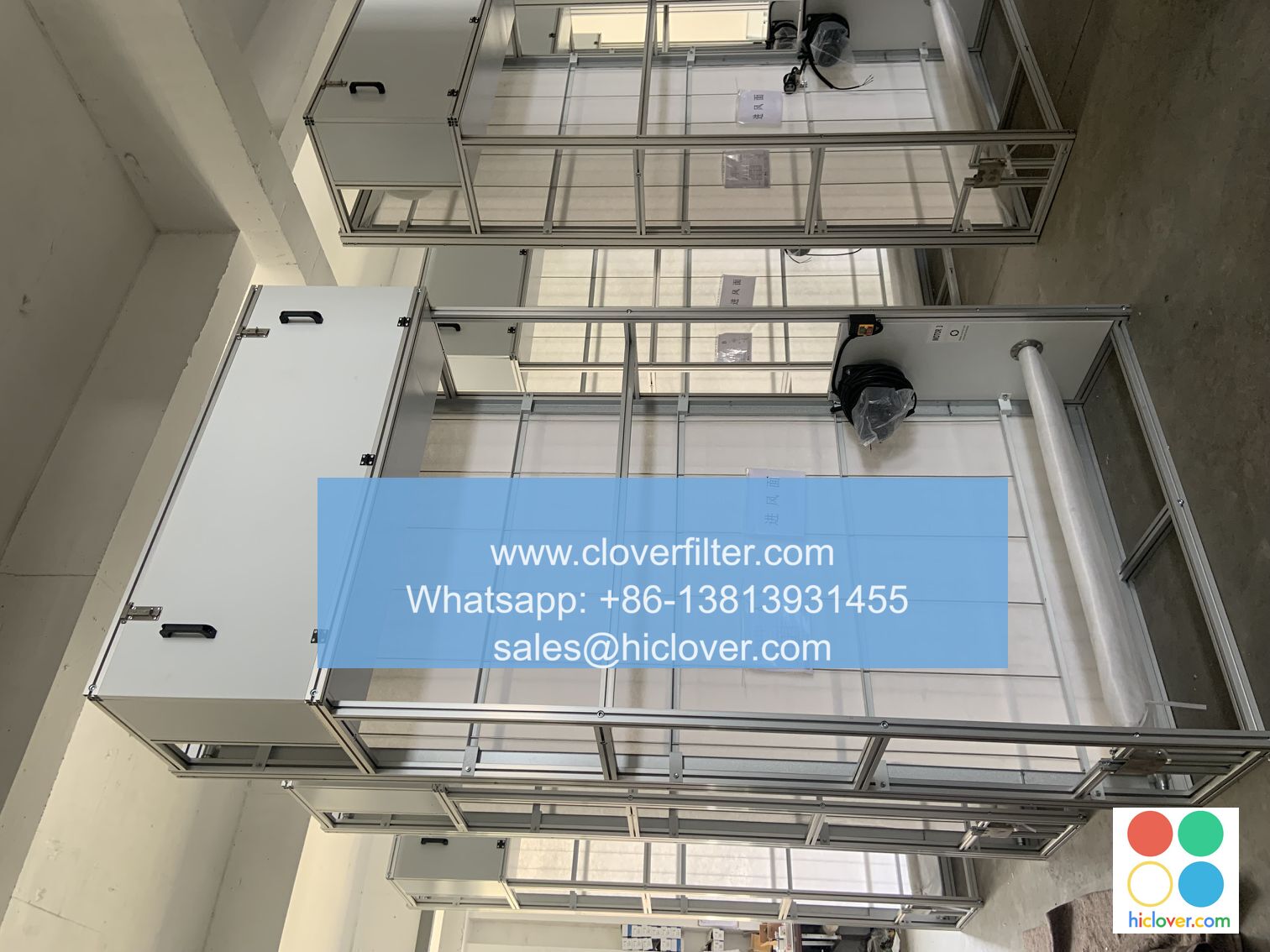
Air filter technology has come a long way in recent years, with significant advancements in the field of air purification systems, indoor air quality improvement, and air pollution control. In this article, we will delve into the science behind air filter technology, exploring the various types of air filters, their applications, and the benefits they provide.
Introduction to Air Filter Technology
Air filters are designed to remove particulate matter, gases, and microorganisms from the air, improving indoor air quality and promoting a healthier environment. The technology behind air filters involves the use of filtration media, such as fibers, membranes, and activated carbon, which trap pollutants and contaminants, allowing clean air to pass through.
Types of Air Filters
There are several types of air filters, each with its own unique characteristics and applications. Some of the most common types of air filters include:
- HEPA (High Efficiency Particulate Air) filters: Designed to capture 99.97% of particles as small as 0.3 microns, making them ideal for hospitals, laboratories, and clean rooms.
- Activated Carbon filters: Effective in removing gases, odors, and volatile organic compounds (VOCs) from the air, making them suitable for indoor air quality improvement and air pollution control.
- UV (Ultraviolet) filters: Use ultraviolet light to kill bacteria, viruses, and other microorganisms, making them ideal for water treatment and air purification applications.
- Indoor air quality improvement: Air filters can help remove pollutants and contaminants from the air, promoting a healthier indoor environment.
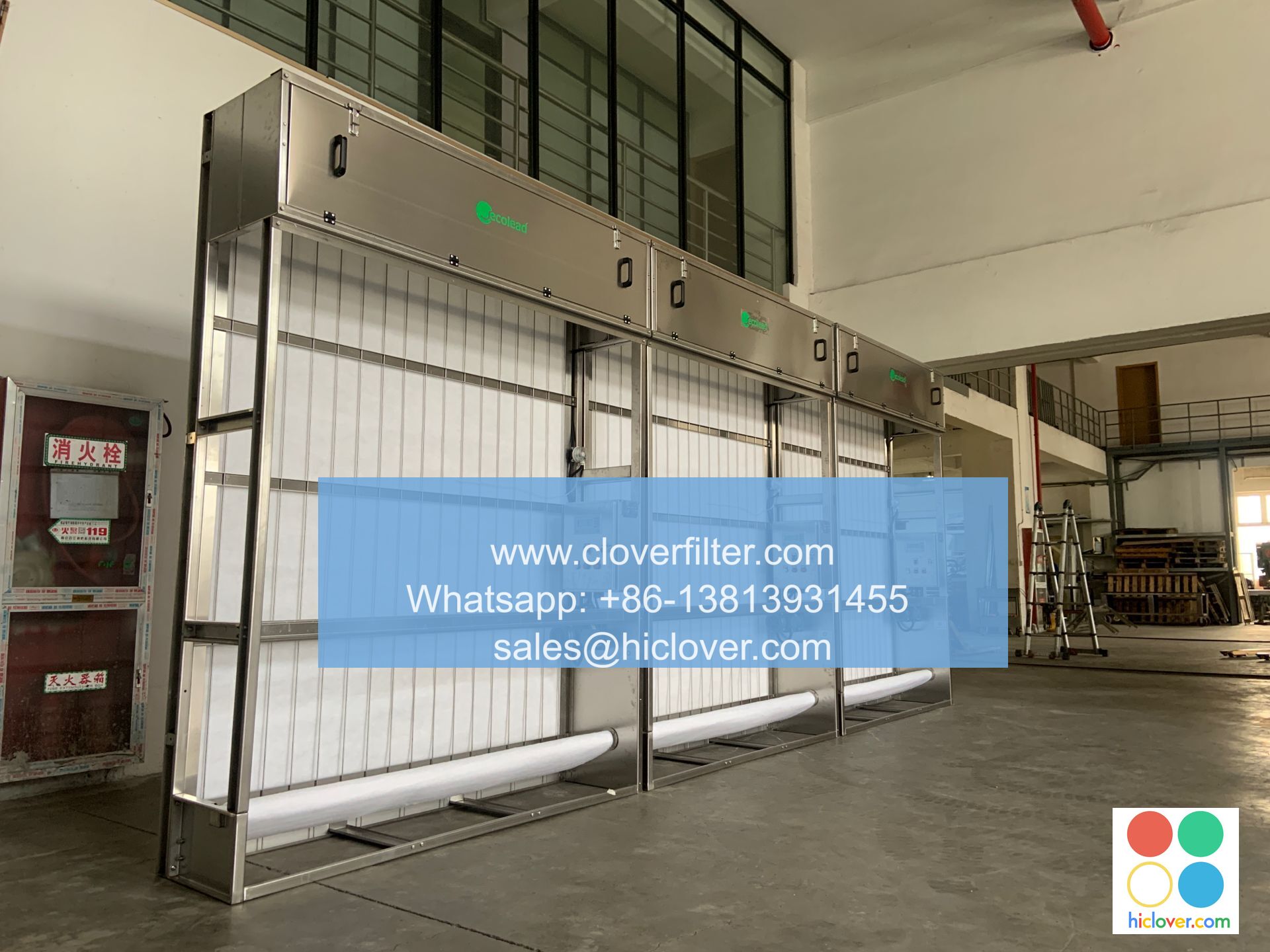
- Industrial air pollution control: Air filters can help reduce emissions and improve air quality in industrial settings, such as factories and manufacturing plants.
- Medical and healthcare applications: Air filters can help prevent the spread of infections and improve patient outcomes in
- Transportation and automotive applications: Air filters can help improve air quality and reduce emissions in vehicles and public transportation systems.
- Improved indoor air quality: Air filters can help remove pollutants and contaminants from the air, promoting a healthier indoor environment.
- Reduced emissions: Air filters can help reduce emissions and improve air quality in industrial settings and vehicles.
- Increased energy efficiency: Air filters can help reduce energy consumption and improve system performance in heating, ventilation, and air conditioning (HVAC) systems.
- Cost savings: Air filters can help reduce maintenance costs and extend the lifespan of equipment and systems.

Application Areas
Air filter technology has a wide range of applications, including:
Benefits of Air Filter Technology
The benefits of air filter technology are numerous, including:
Conclusion
In conclusion, air filter technology has come a long way in recent years, with significant advancements in the field of air purification systems, indoor air quality improvement, and air pollution control. By understanding the science behind air filter technology and its various applications, we can better appreciate the importance of air filters in promoting a healthier environment and improving indoor air quality. Whether it’s for industrial, commercial, or residential applications, air filter technology is an essential tool in the pursuit of clean air and a healthier future. You haven’t provided a question or topic for discussion. Please provide more context or information so I can assist you effectively. What would you like to talk about?
