Air Filters with HEPA Technology: A Guide to Clean Air and Allergen Removal
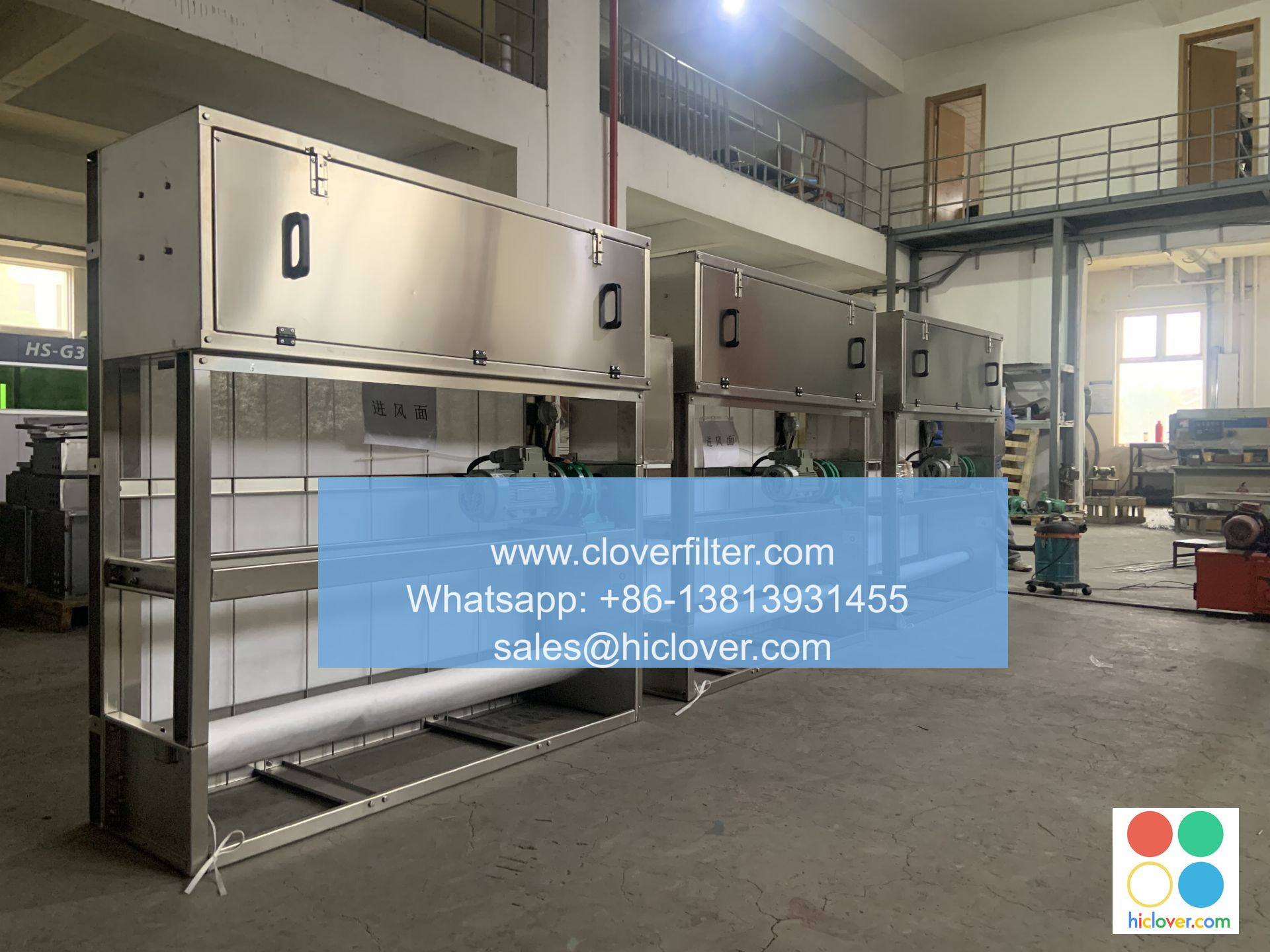
Air pollution and allergens can have a significant impact on indoor air quality, exacerbating respiratory issues like asthma and allergies. High-Efficiency Particulate Air (HEPA) filters have emerged as a vital solution to address these concerns. In this article, we will delve into the world of air filters with HEPA technology, exploring their benefits, applications, and importance in maintaining clean air and allergen removal.
What are HEPA Filters?
HEPA filters are designed to capture 99.97% of particles as small as 0.3 microns, including dust, pollen, mold, bacteria, and other airborne pollutants. These filters work by using a combination of three mechanisms: interception, impaction, and diffusion. As air passes through the filter, particles are trapped, ensuring that the air emitted is clean and free from pollutants.
Benefits of HEPA Filters
The benefits of HEPA filters are numerous, making them an essential component in various applications, including:
- Improved indoor air quality
- Reduced allergy and asthma symptoms
- Removal of airborne pollutants and particulate matter
- Increased energy efficiency
- Extended lifespan of HVAC systems
- Filter efficiency and certification
- Airflow rate and pressure drop
- Filter size and compatibility
- Maintenance and replacement costs
- Noise level and energy consumption
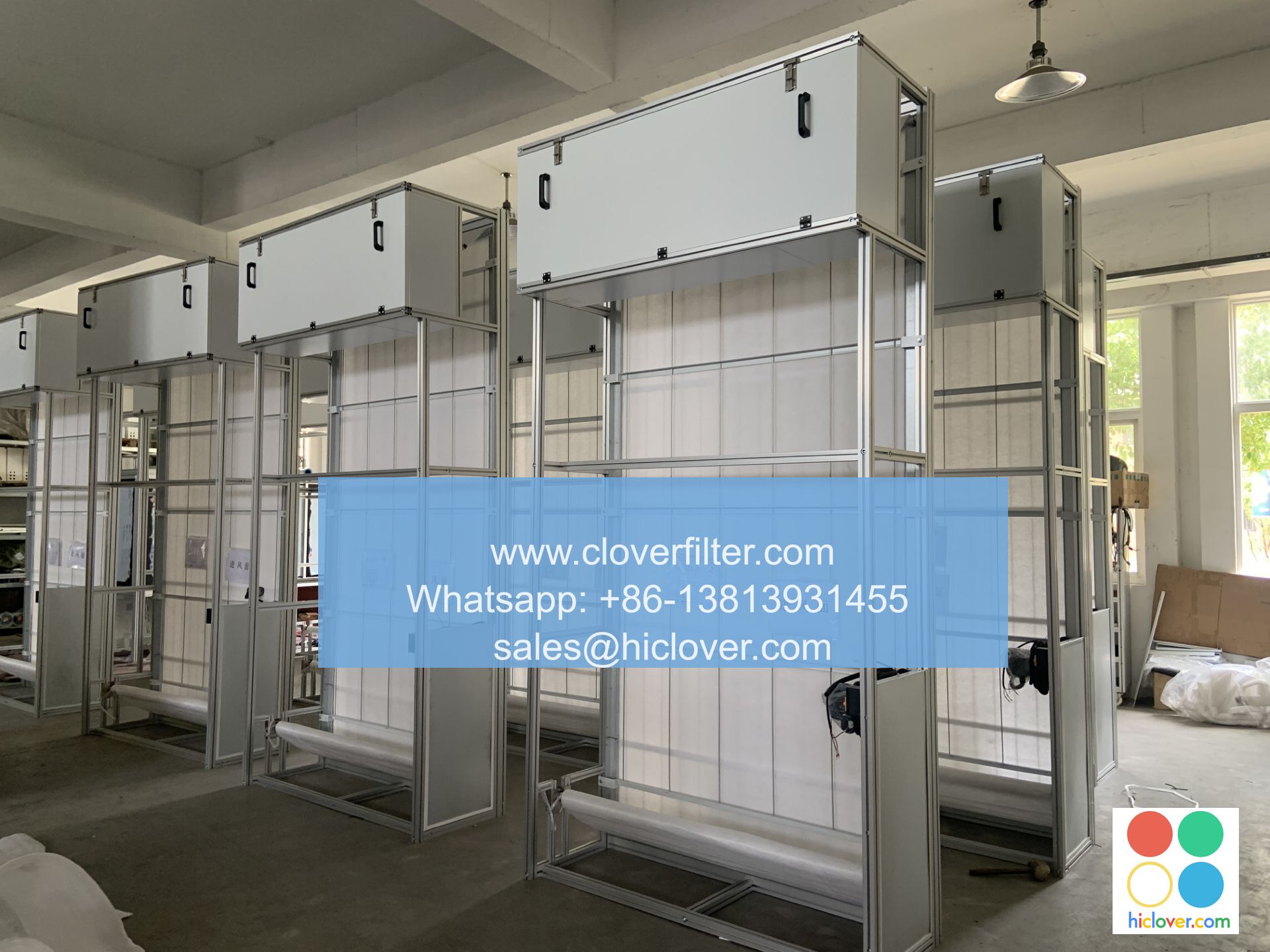
Applications of HEPA Filters
HEPA filters have a wide range of applications, including:
Residential and Commercial HVAC Systems
HEPA filters can be integrated into residential and commercial heating, ventilation, and air conditioning (HVAC) systems to improve indoor air quality and reduce allergen exposure.
Air Purifiers and Cleaners
Portable air purifiers and cleaners often employ HEPA technology to remove pollutants and allergens from the air, creating a healthier environment for occupants.
Industrial and Pharmaceutical Applications
HEPA filters are used in industrial and pharmaceutical settings to maintain sterile environments, prevent contamination, and ensure the quality of products.
Medical and Healthcare Facilities
In medical and healthcare facilities, HEPA filters play a critical role in preventing the spread of airborne diseases and maintaining a clean environment for patients and staff.
Key Features to Consider When Selecting a HEPA Filter
When choosing a HEPA filter, consider the following key features:
Conclusion
Air filters with HEPA technology are a crucial component in maintaining clean air and allergen removal. With their wide range of applications, from residential and commercial HVAC systems to industrial and pharmaceutical settings, HEPA filters have become an essential tool in improving indoor air quality and promoting healthier environments. By understanding the benefits and key features of HEPA filters, individuals can make informed decisions when selecting a filter that meets their specific needs and requirements. Whether you’re looking to alleviate allergy symptoms, improve indoor air quality, or maintain a sterile environment, HEPA filters are an effective solution to achieve your goals. You haven’t given me a prompt or question to respond to. Please provide more context or information so I can assist you better. What would you like to talk about or ask?
