Air Filter Selection Criteria for Commercial and Residential Buildings
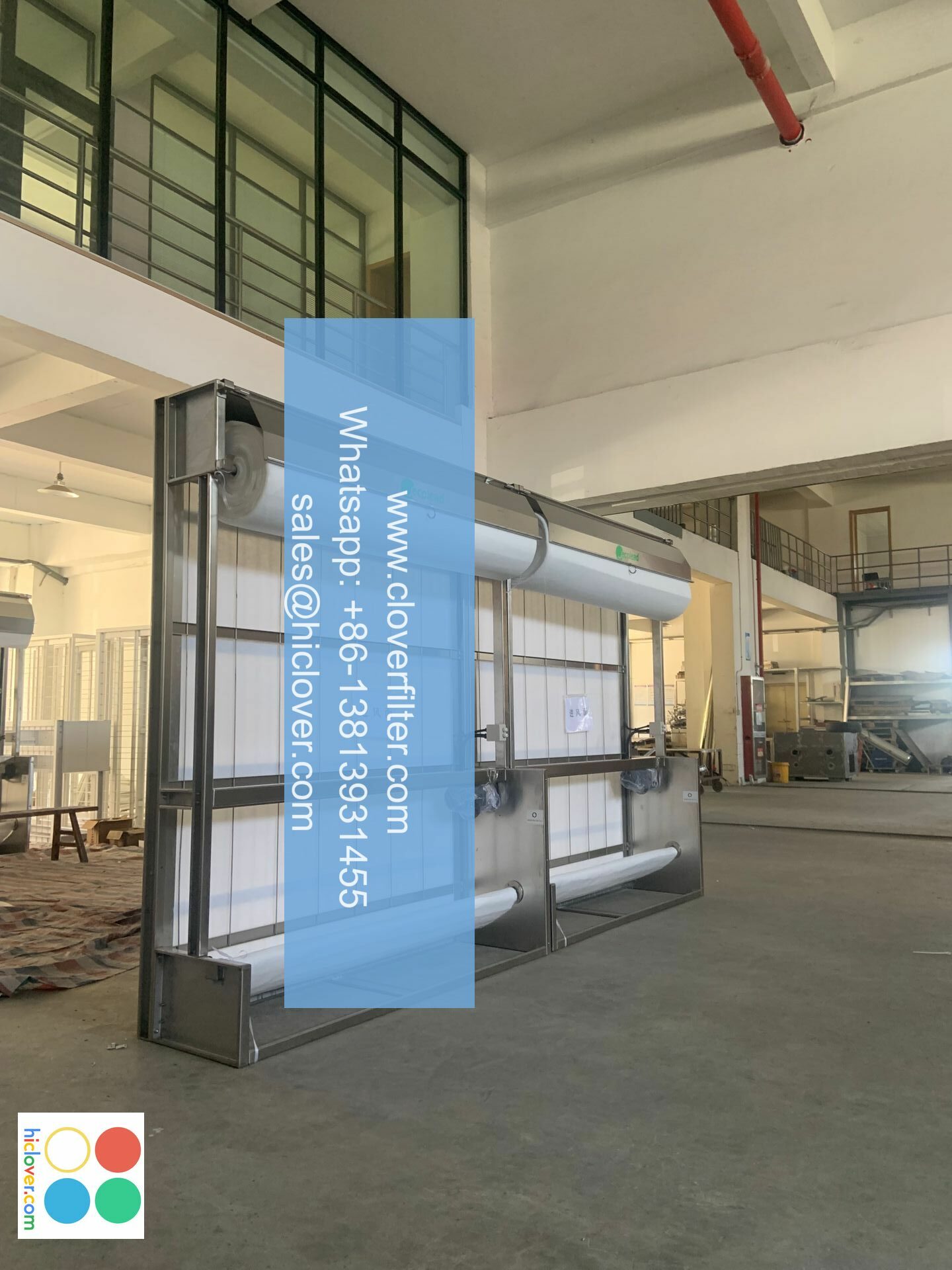
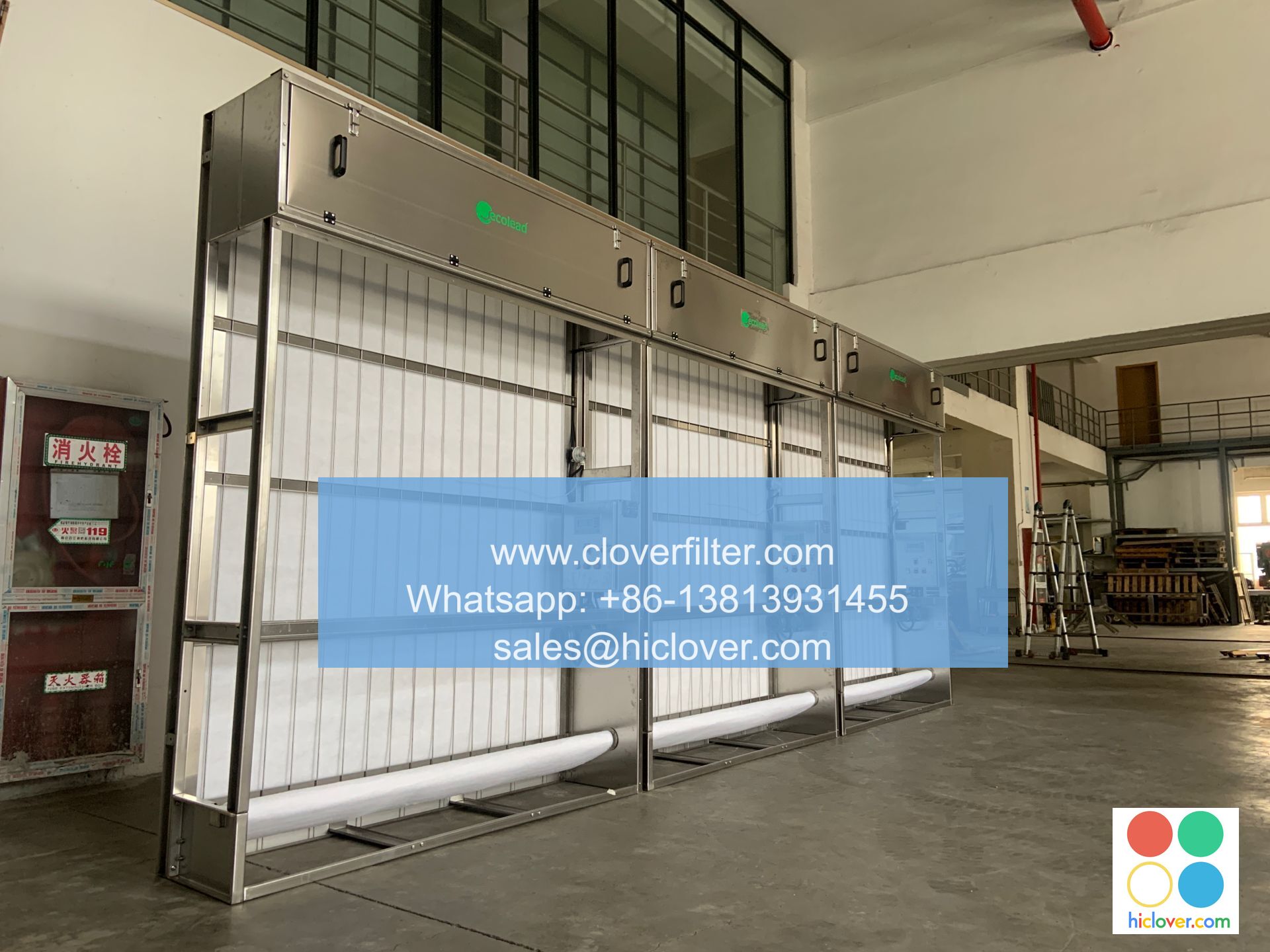
The selection of air filters for commercial and residential buildings is a critical decision that can significantly impact indoor air quality, energy efficiency, and maintenance costs. With the wide range of air filter options available, it’s essential to consider several key factors when choosing the right air filter for your building. In this article, we’ll discuss the key air filter selection criteria and highlight various application areas where different types of air filters are suitable.
Understanding MERV Ratings and Air Filter Efficiency
The Minimum Efficiency Reporting Value (MERV) rating is a standard measure of air filter efficiency. MERV ratings range from 1 to 20, with higher ratings indicating better filtration performance. When selecting an air filter, consider the MERV rating required for your building, taking into account factors such as indoor air quality (IAQ) needs, particle removal requirements, and energy efficiency goals. For example, a high-efficiency air filter with a MERV 13 rating or higher is typically recommended for commercial buildings and healthcare facilities where clean indoor air is crucial.
Air Filter Types and Applications
Different types of air filters are suited for various applications, including:
- Fiberglass air filters: Suitable for residential buildings and light commercial applications where basic filtration is required.
- Pleated air filters: Ideal for commercial buildings and industrial applications where high-efficiency filtration is necessary.
- Activated carbon air filters: Recommended for applications where odor and gas removal is critical, such as kitchens and restaurants.
- HEPA air filters: Required for high-cleanliness applications, including healthcare facilities, pharmaceutical manufacturing, and cleanrooms.

Considering Air Filter Size, Shape, and Compatibility
When selecting an air filter, ensure it fits the air handling unit (AHU) or HVAC system in your building. Consider factors such as filter size, shape, and compatibility with your existing system. A custom air filter may be necessary for unique or non-standard applications.
Air Filter Maintenance and Replacement
Regular air filter maintenance and replacement are crucial to ensure optimal performance and prolong the life of your air filtration system. Consider the filter’s service life, maintenance requirements, and replacement costs when selecting an air filter. A well-maintained air filter can help reduce energy consumption, minimize downtime, and extend equipment life.
Conclusion
In conclusion, selecting the right air filter for your commercial or residential building requires careful consideration of several key factors, including MERV ratings, air filter efficiency, application areas, filter size and shape, and maintenance requirements. By understanding these air filter selection criteria and highlighting various application areas, you can make an informed decision and choose the best air filter for your specific needs, ensuring clean indoor air, energy efficiency, and cost savings for your building. You haven’t asked a question or provided any context. What would you like to talk about? I can answer any questions you have or provide information on a wide range of topics.