Air Filter Systems for Food Processing Plants
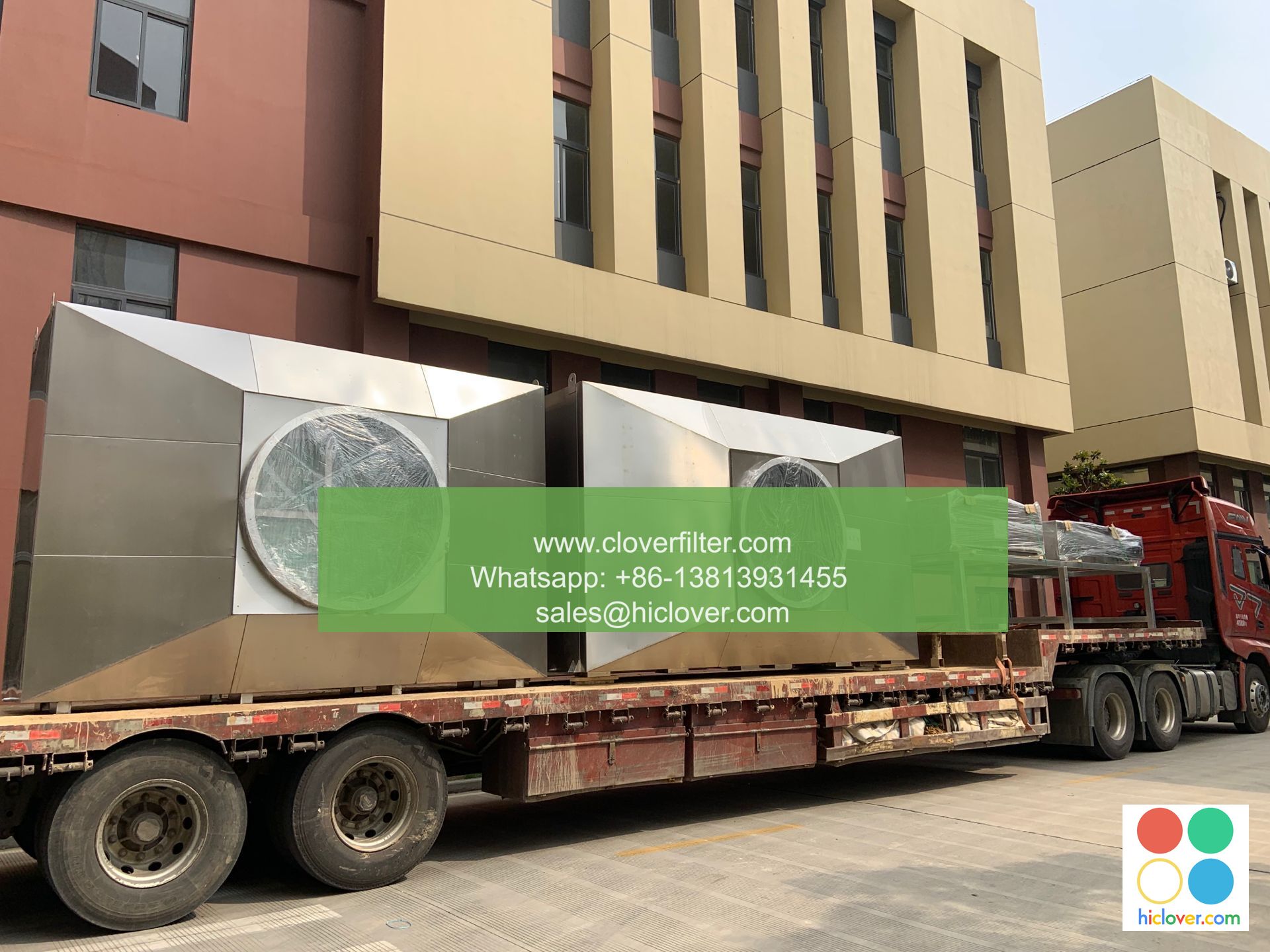
Food processing plants require a controlled environment to prevent contamination and ensure the quality of their products. One crucial aspect of maintaining this environment is the use of air filter systems. These systems play a vital role in removing airborne contaminants, such as dust, pollen, and microorganisms, that can compromise the safety and quality of food products. In this article, we will explore the importance of air filter systems in food processing plants, highlighting various application areas and key considerations for selection and installation.
Importance of Air Filter Systems in Food Processing Plants
Air filter systems are essential in food processing plants to prevent the introduction of airborne contaminants that can cause spoilage, contamination, and foodborne illnesses. These systems help to maintain a clean and safe environment, reducing the risk of product recall, reputational damage, and financial losses. Some of the key benefits of air filter systems in food processing plants include:
* Contamination control: Air filter systems help to remove airborne contaminants, such as dust, pollen, and microorganisms, that can compromise the quality and safety of food products.
* Improved product quality: By maintaining a clean and controlled environment, air filter systems help to ensure the quality and consistency of food products.
* Regulatory compliance: Air filter systems help food processing plants to comply with regulatory requirements, such as those related to food safety and good manufacturing practices (GMPs).
Application Areas for Air Filter Systems in Food Processing Plants
Air filter systems can be applied in various areas of food processing plants, including:
* Production areas: Air filter systems can be installed in production areas to prevent the introduction of airborne contaminants and maintain a clean environment.
* Packaging areas: Air filter systems can be used in packaging areas to prevent contamination and ensure the quality of packaged products.
* Storage areas: Air filter systems can be installed in storage areas to maintain a clean and controlled environment, reducing the risk of spoilage and contamination.
* Laboratory areas: Air filter systems can be used in laboratory areas to maintain a clean and controlled environment, ensuring the accuracy and reliability of test results.
Key Considerations for Selection and Installation of Air Filter Systems
When selecting and installing air filter systems in food processing plants, several key considerations must be taken into account, including:
* Airflow rates: The air filter system must be designed to handle the required airflow rates to maintain a clean and controlled environment.
* Filter efficiency: The air filter system must be designed to capture airborne contaminants, such as dust, pollen, and microorganisms, with high efficiency.
* Pressure drop: The air filter system must be designed to minimize pressure drop, ensuring that the system does not compromise the plant’s HVAC system.
* Maintenance and upkeep: The air filter system must be designed to be easy to maintain and upkeep, reducing downtime and minimizing the risk of contamination.

Types of Air Filter Systems for Food Processing Plants
Several types of air filter systems can be used in food processing plants, including:
* HEPA (High Efficiency Particulate Air) filters: HEPA filters are designed to capture airborne contaminants with high efficiency, making them ideal for use in food processing plants.
* Activated carbon filters: Activated carbon filters can be used to remove odors and volatile organic compounds (VOCs) from the air, improving the overall quality of the environment.
* Pre-filters: Pre-filters can be used to capture larger airborne contaminants, such as dust and pollen, reducing the load on the main air filter system.
In conclusion, air filter systems play a vital role in maintaining a clean and controlled environment in food processing plants. By highlighting various application areas and key considerations for selection and installation, food processing plants can ensure the quality and safety of their products, reducing the risk of contamination and foodborne illnesses. Whether it’s contamination control, improved product quality, or regulatory compliance, air filter systems are an essential component of any food processing plant. You haven’t asked a question or provided any context. Please provide more information or ask a question, and I’ll do my best to assist you.
