The Role of Air Filter Organizations in Reducing Airborne Pollutants
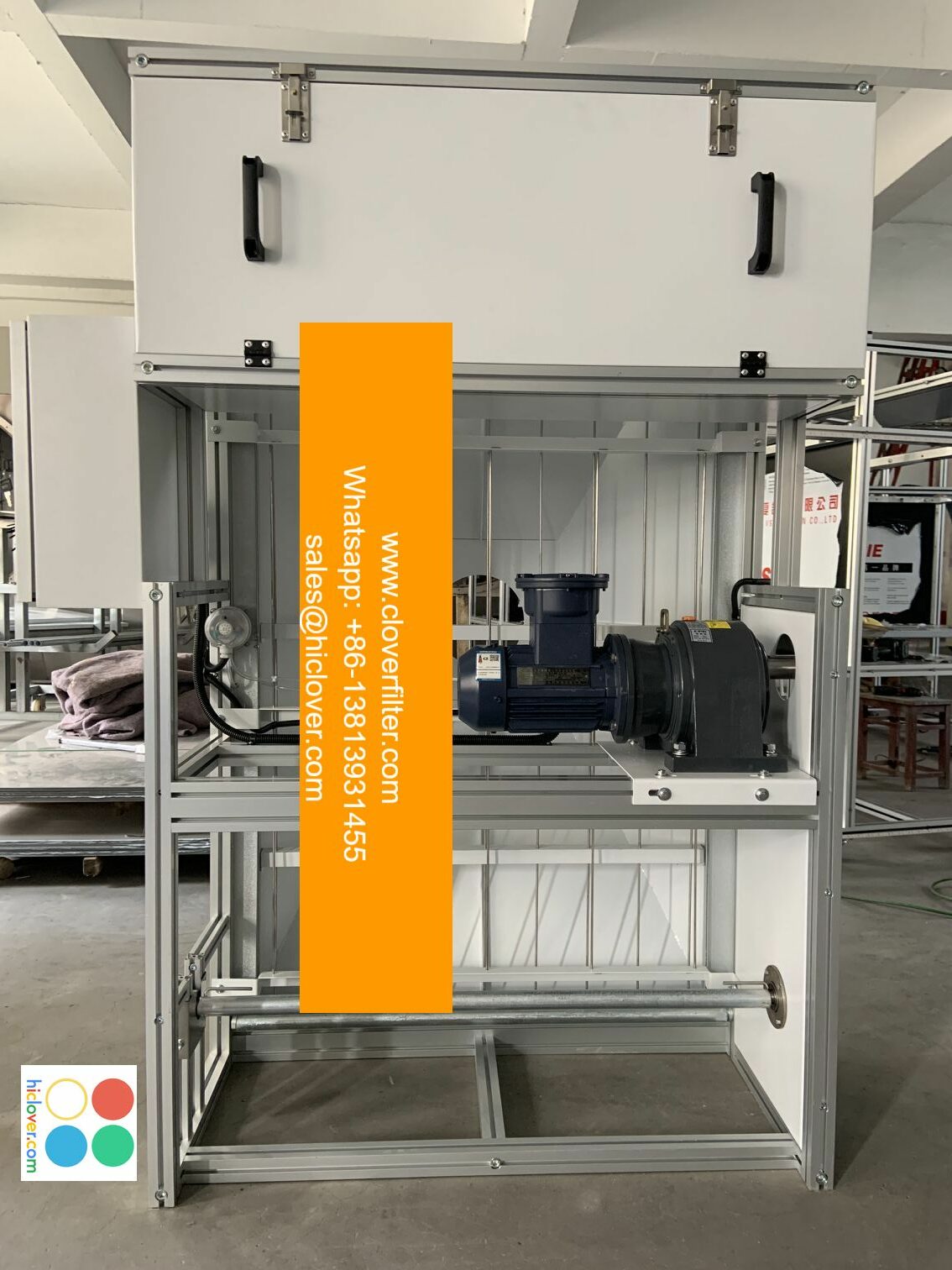
Air filter organizations play a crucial role in reducing airborne pollutants, which are a major concern for public health and environmental sustainability. These organizations specialize in designing, manufacturing, and installing air filtration systems that capture and remove pollutants from the air, improving indoor and outdoor air quality.
Types of Airborne Pollutants
Airborne pollutants can be categorized into several types, including particulate matter (PM), nitrogen dioxide (NO2), ozone (O3), volatile organic compounds (VOCs), and carbon monoxide (CO). These pollutants can come from various sources, such as vehicle emissions, industrial activities, and natural disasters. Air filter organizations use advanced technologies, such as nanofiltration, ultrafiltration, and activated carbon filtration, to capture and remove these pollutants from the air.
Applications of Air Filter Organizations
Air filter organizations have a wide range of applications, including:
- Indoor Air Quality (IAQ) Management: Air filter organizations provide solutions for improving indoor air quality in commercial and residential buildings, reducing the risk of respiratory diseases and improving occupant health and productivity.
- Industrial Air Pollution Control: Air filter organizations design and install air filtration systems for industrial applications, such as power plants, cement factories, and chemical plants, to reduce emissions and comply with environmental regulations.
- Transportation Air Quality Management: Air filter organizations provide solutions for improving air quality in vehicles, airports, and public transportation systems, reducing the exposure of passengers and staff to airborne pollutants.
- Environmental Remediation: Air filter organizations participate in environmental remediation projects, such as soil remediation and water remediation, to restore polluted environments and ecosystems.
- Improved Public Health: By reducing airborne pollutants, air filter organizations contribute to improved public health, reducing the risk of respiratory diseases, such as asthma and chronic obstructive pulmonary disease (COPD).
- Environmental Sustainability: Air filter organizations help reduce the environmental impact of industrial activities, transportation, and other human endeavors, promoting environmental sustainability and climate change mitigation.
- Increased Productivity: By improving indoor air quality, air filter organizations can increase occupant productivity, reducing absenteeism and presenteeism in commercial and residential buildings.
- Compliance with Environmental Regulations: Air filter organizations help industries and organizations comply with environmental regulations, such as clean air acts and emission standards, avoiding fines and penalties.

Benefits of Air Filter Organizations
The benefits of air filter organizations are numerous, including:
Conclusion
In conclusion, air filter organizations play a vital role in reducing airborne pollutants, improving public health, and promoting environmental sustainability. With their advanced technologies and wide range of applications, air filter organizations are essential for creating a healthier and more sustainable environment for future generations. As the world continues to urbanize and industrialize, the importance of air filter organizations will only continue to grow, highlighting the need for innovative solutions and sustainable practices in the air filtration industry. You haven’t asked a question or provided a prompt for me to respond to. Please provide more context or information so I can assist you better. What would you like to talk about or ask?
