The Importance of Air Filter Design in Industrial Power Distribution Systems for Energy Efficiency
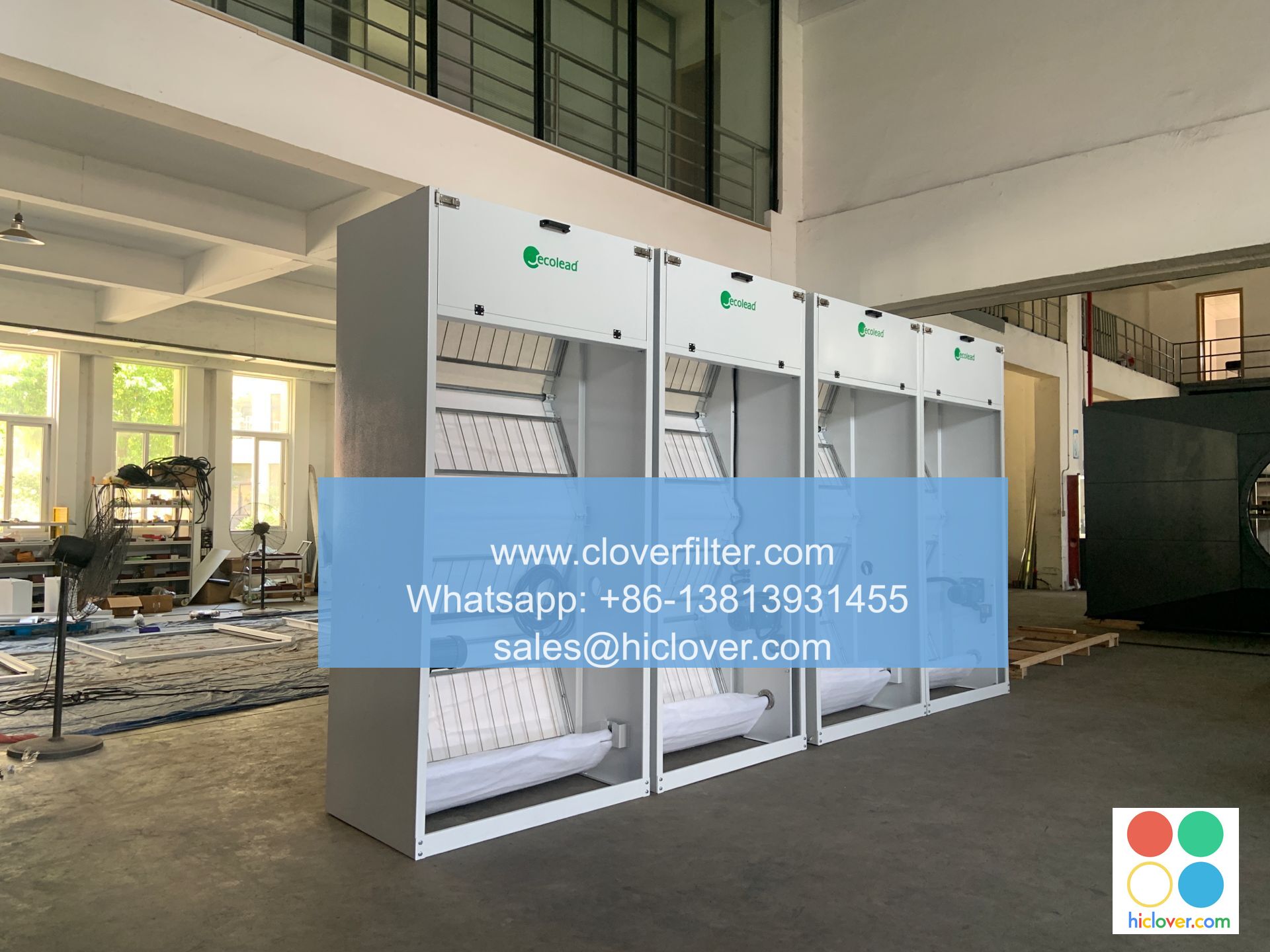
The design of air filters in industrial power distribution systems plays a crucial role in ensuring energy efficiency, reliability, and longevity of the equipment. A well-designed air filter can significantly reduce energy consumption, minimize downtime, and prevent equipment damage. In this article, we will discuss the importance of air filter design in industrial power distribution systems, highlighting various application areas and key considerations for optimal performance.
Introduction to Air Filter Design
Air filter design is a critical component of industrial power distribution systems, as it directly affects the overall efficiency and reliability of the equipment. The primary function of an air filter is to remove airborne contaminants, such as dust, dirt, and moisture, that can damage electrical equipment and compromise system performance. A poorly designed air filter can lead to increased energy consumption, reduced equipment lifespan, and frequent maintenance requirements.
Key Considerations for Air Filter Design
When designing air filters for industrial power distribution systems, several key considerations must be taken into account, including:
* Airflow and Pressure Drop: The air filter design must balance airflow and pressure drop to ensure optimal system performance. A high-pressure drop can lead to increased energy consumption, while a low-pressure drop can result in reduced airflow and equipment damage.
* Filter Media and Material: The selection of filter media and material is critical, as it directly affects the filter’s efficiency, durability, and maintenance requirements. Common filter media include activated carbon, HEPA filters, and electrostatic filters.
* Filter Size and Configuration: The filter size and configuration must be optimized to ensure adequate airflow and minimal pressure drop. This may involve using modular filter designs or customized filter solutions to meet specific application requirements.
* Environmental Factors: The air filter design must take into account environmental factors, such as temperature, humidity, and corrosion, to ensure optimal performance and longevity.
Application Areas for Air Filter Design
Air filter design is critical in various industrial power distribution applications, including:
* Data Centers: Data centers require high-efficiency air filters to maintain optimal temperatures and humidity levels, ensuring reliable operation and minimizing energy consumption.
* Manufacturing Facilities: Manufacturing facilities use air filters to remove airborne contaminants and prevent equipment damage, reducing downtime and improving overall efficiency.
* Power Generation Plants: Power generation plants rely on air filters to protect equipment from airborne contaminants, ensuring reliable operation and minimizing maintenance requirements.
* Commercial and Industrial HVAC Systems: Commercial and industrial HVAC systems use air filters to maintain indoor air quality, reduce energy consumption, and prevent equipment damage.

Benefits of Optimized Air Filter Design
Optimized air filter design can bring numerous benefits to industrial power distribution systems, including:
* Energy Efficiency: Well-designed air filters can reduce energy consumption by minimizing pressure drop and optimizing airflow.
* Reliability and Longevity: A well-designed air filter can extend equipment lifespan, reducing maintenance requirements and downtime.
* Improved Indoor Air Quality: Optimized air filter design can improve indoor air quality, reducing the risk of equipment damage and maintaining a healthy environment for personnel.
* Cost Savings: Optimized air filter design can result in significant cost savings, reduced energy consumption, and extended equipment lifespan.
Conclusion
In conclusion, the design of air filters in industrial power distribution systems is critical for ensuring energy efficiency, reliability, and longevity of the equipment. By considering key factors such as airflow and pressure drop, filter media and material, filter size and configuration, and environmental factors, industries can optimize air filter design to meet specific application requirements. The benefits of optimized air filter design are numerous, including energy efficiency, reliability, improved indoor air quality, and cost savings. As industries continue to evolve and prioritize energy efficiency, the importance of air filter design will only continue to grow, highlighting the need for innovative and customized solutions to meet the demands of industrial power distribution systems. It seems like you haven’t provided a specific question or topic for discussion. Could you please elaborate or provide more context so I can assist you better?
