The Science of Cleanroom Air Filtration: Automatic Roll Air Filter’s Research and Development
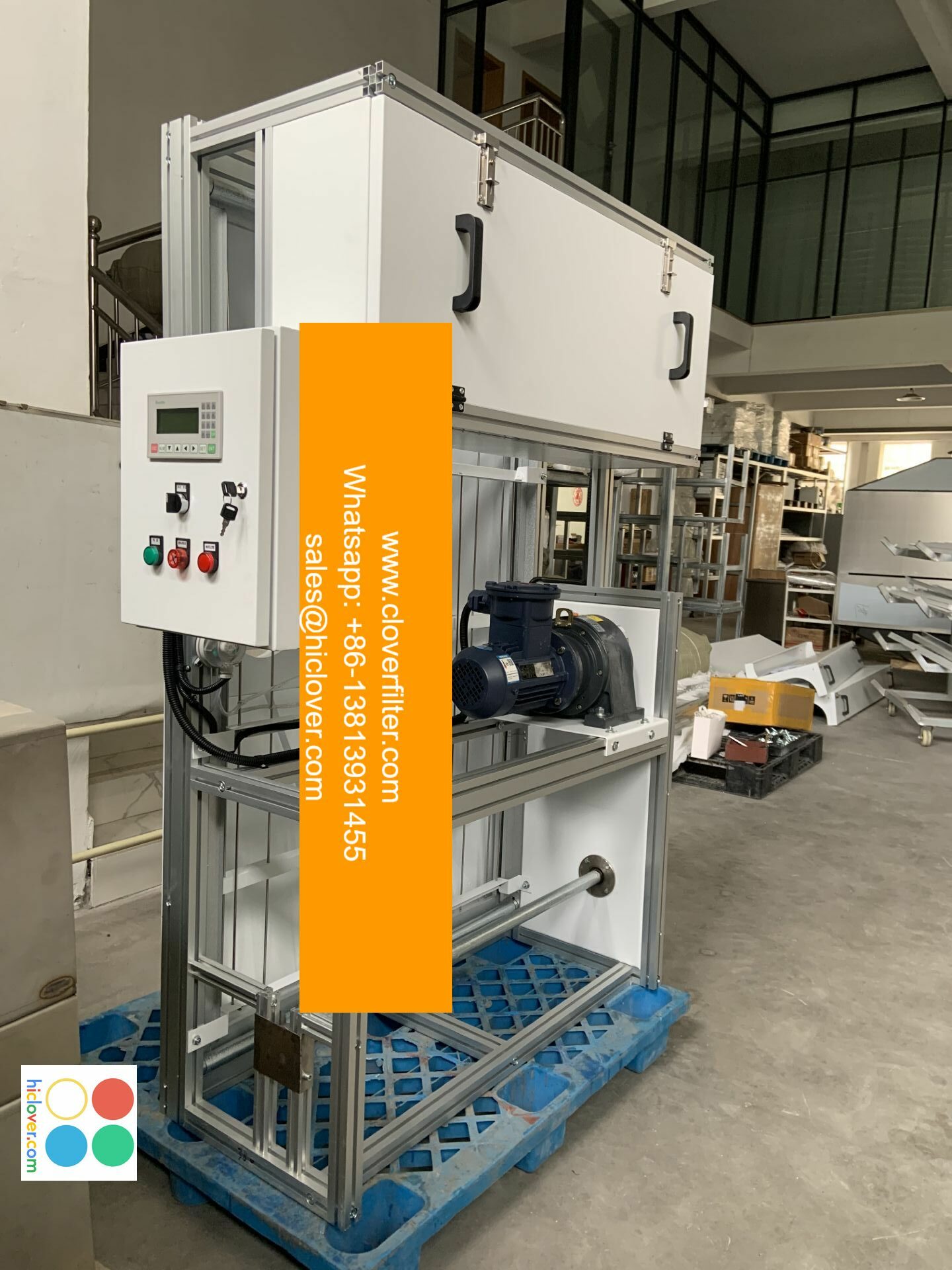
Cleanrooms are controlled environments that require precise temperature, humidity, and air quality conditions to minimize contamination and ensure the quality of products manufactured within them. One crucial aspect of cleanroom maintenance is air filtration, which involves removing particles, gases, and other contaminants from the air to prevent them from affecting the products or processes being conducted. Automatic Roll Air Filters (ARAF) have been at the forefront of cleanroom air filtration research and development, pushing the boundaries of what is possible in terms of air purity and filtration efficiency.
ARAF’s research and development efforts have focused on creating advanced air filtration systems that can capture even the smallest particles and contaminants, while also minimizing energy consumption and reducing maintenance requirements. One key area of focus has been the development of new filter media materials, such as nanofibers and activated carbon, which offer improved filtration efficiency and increased durability. These new materials have enabled ARAF to create filters that can capture particles as small as 0.1 microns, making them ideal for use in cleanrooms where even the smallest contaminants can have a significant impact on product quality.

In addition to developing new filter media materials, ARAF has also been working on improving the design and functionality of their air filtration systems. This has included the development of advanced fan and motor technologies, which enable their systems to operate more efficiently and quietly, while also reducing energy consumption. ARAF has also been incorporating advanced sensors and monitoring systems into their air filtration systems, which enable real-time monitoring of air quality and filtration performance, allowing for prompt identification and correction of any issues that may arise.
Another area of focus for ARAF has been the development of specialized air filtration systems for specific industries and applications. For example, they have created systems designed specifically for use in pharmaceutical and biotechnology cleanrooms, where the risk of contamination is particularly high. These systems incorporate advanced features such as high-efficiency particulate air (HEPA) filtration, ultraviolet (UV) lighting, and advanced gas phase filtration, which enable them to capture and remove even the most challenging contaminants.
ARAF’s research and development efforts have also been driven by the need to reduce the environmental impact of cleanroom air filtration. Traditional air filtration systems can be energy-intensive and may require frequent filter replacements, which can generate significant waste. In response to these concerns, ARAF has been developing more sustainable air filtration solutions, such as filters made from recycled materials and systems that incorporate energy-recovery technologies. These innovations have enabled ARAF to create air filtration systems that not only provide exceptional performance but also minimize their environmental footprint.
Furthermore, ARAF has been working closely with cleanroom operators and industry experts to better understand their specific needs and challenges. This collaboration has enabled ARAF to develop air filtration systems that are tailored to the unique requirements of each cleanroom, taking into account factors such as room size, airflow rates, and specific contamination risks. By working closely with their customers, ARAF has been able to create air filtration solutions that are not only highly effective but also easy to install, maintain, and operate.
In conclusion, ARAF’s research and development efforts have been instrumental in advancing the science of cleanroom air filtration. Their innovative approaches to filter media materials, system design, and specialized applications have enabled the creation of highly effective and efficient air filtration systems. As the demand for cleanrooms continues to grow, driven by industries such as pharmaceuticals, biotechnology, and aerospace, ARAF’s commitment to research and development will remain crucial in meeting the evolving needs of cleanroom operators and ensuring the quality and reliability of the products manufactured within these controlled environments.
FAQs
Q: What is the importance of air filtration in cleanrooms?
A: Air filtration is critical in cleanrooms as it helps to remove particles, gases, and other contaminants that can affect product quality and safety.
Q: What types of contaminants can air filtration systems remove?
A: Air filtration systems can remove a wide range of contaminants, including particles, gases, bacteria, viruses, and other microorganisms.
Q: How often should air filters be replaced?
A: The frequency of air filter replacement depends on various factors, including the type of filter, airflow rates, and contamination levels. Generally, filters should be replaced every 1-3 years or as recommended by the manufacturer.
Q: Can air filtration systems be customized for specific industries or applications?
A: Yes, air filtration systems can be customized to meet the unique needs of specific industries or applications, such as pharmaceuticals, biotechnology, or aerospace.
Q: What are the benefits of using energy-recovery technologies in air filtration systems?
A: Energy-recovery technologies can help reduce energy consumption, lower operating costs, and minimize the environmental impact of air filtration systems.
