Air Filter Performance: What to Expect
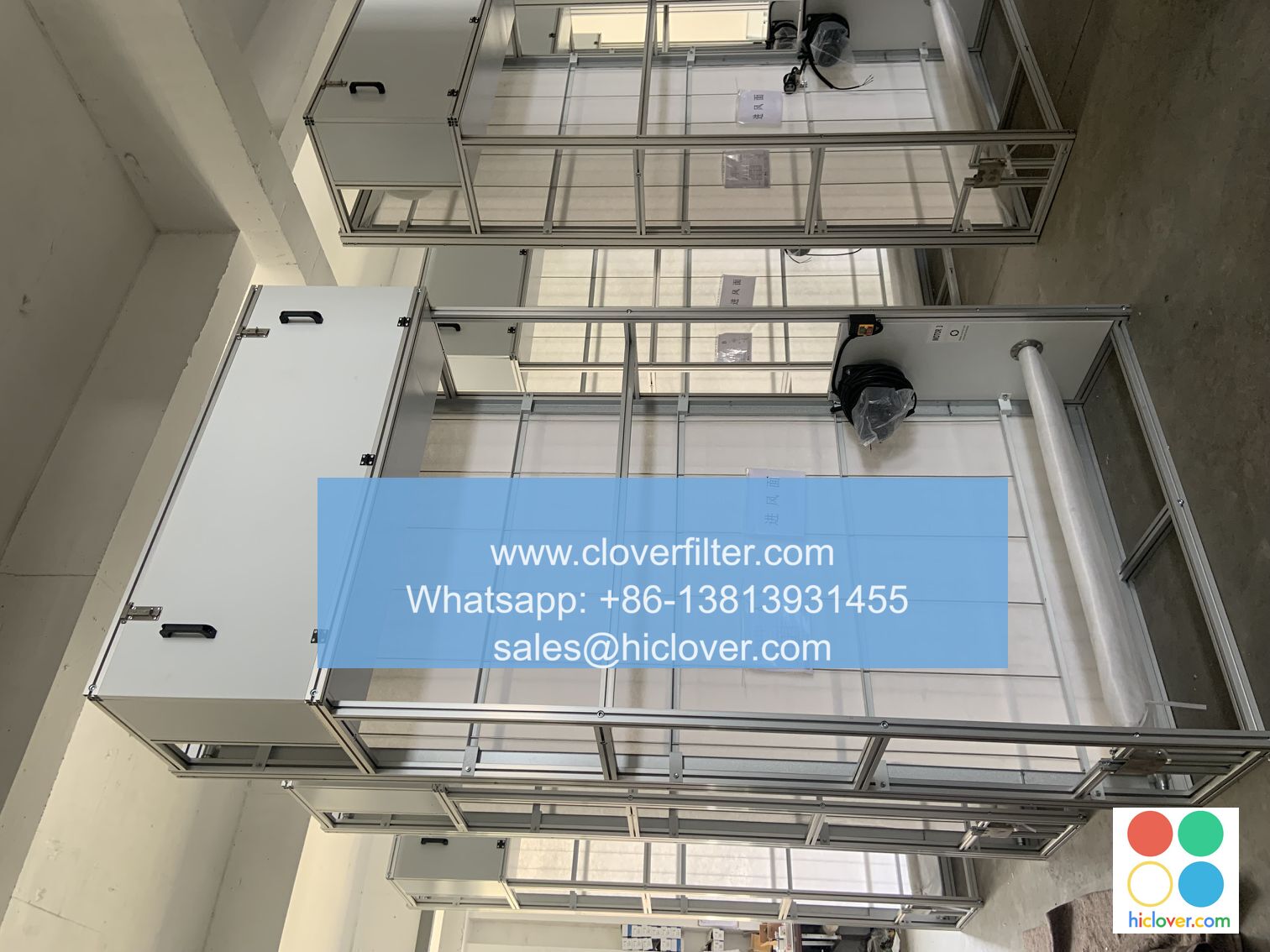
Air filter performance is a critical aspect of maintaining good indoor air quality, and it’s essential to understand what to expect from your air filters. In this article, we’ll delve into the world of air filtration, exploring the key factors that affect air filter efficiency, filtration effectiveness, and filter lifespan. We’ll also highlight various application areas, including residential air filtration, commercial air purification, and industrial air filtration systems.
Understanding Air Filter Performance
Air filter performance is measured by its ability to capture particulate matter (PM), gases, and odors. The most common metrics used to evaluate air filter performance are filter efficiency, pressure drop, and filter life. Filter efficiency refers to the filter’s ability to capture particles of a specific size, while pressure drop measures the resistance to airflow caused by the filter. Filter life is the duration for which the filter can maintain its performance before needing replacement.
Key Factors Affecting Air Filter Performance
Several factors can impact air filter performance, including:
- Airflow rate: The rate at which air passes through the filter affects its performance. Higher airflow rates can reduce filter efficiency.
- Particle size: The size of particles in the air affects the filter’s ability to capture them. Smaller particles are more challenging to capture than larger ones.
- Filter media: The type of filter media used, such as fiberglass, pleated filters, or HEPA filters, can significantly impact performance.
- Filter maintenance: Regular cleaning and replacement of filters are crucial to maintaining their performance.

Application Areas for Air Filtration
Air filtration is essential in various application areas, including:
Residential Air Filtration
Residential air filtration systems are designed to improve indoor air quality in homes. These systems can help reduce allergens, pet dander, and odors, creating a healthier environment for occupants.
Commercial Air Purification
Commercial air purification systems are used in offices, schools, and other public buildings to maintain good indoor air quality. These systems can help reduce airborne pathogens, volatile organic compounds (VOCs), and other pollutants.
Industrial Air Filtration Systems
Industrial air filtration systems are designed for use in manufacturing facilities, warehouses, and other industrial settings. These systems can help reduce hazardous particles, chemical fumes, and other pollutants that can harm workers and equipment.
Conclusion
In conclusion, air filter performance is a critical aspect of maintaining good indoor air quality. By understanding the key factors that affect air filter performance and highlighting various application areas, we can better appreciate the importance of air filtration in our daily lives. Whether it’s residential air filtration, commercial air purification, or industrial air filtration systems, air filters play a vital role in creating a healthier and more comfortable environment for everyone. It looks like you’re ready to get started! What would you like to talk about or ask? Do you have a specific topic in mind, or would you like me to suggest some prompts to get us started?
