Air Filter Selection for High-Rise Buildings and Large Commercial Spaces

Air filter selection is a critical aspect of maintaining good indoor air quality (IAQ) in high-rise buildings and large commercial spaces. With the increasing awareness of the importance of Indoor Air Quality (IAQ) management and energy efficiency, it is essential to choose the right air filters that can effectively remove pollutants, dust, and other contaminants from the air. In this article, we will discuss the key factors to consider when selecting air filters for high-rise buildings and large commercial spaces, highlighting various application areas such as commercial HVAC systems, industrial air filtration, and pharmaceutical clean rooms.
Understanding Air Filter Types and Classification

There are several types of air filters available, each with its own unique characteristics, advantages, and disadvantages. The most common types of air filters used in high-rise buildings and large commercial spaces include:
- HEPA (High Efficiency Particulate Air) filters: These filters are designed to capture 99.97% of particles as small as 0.3 microns, making them ideal for clean rooms, pharmaceutical applications, and healthcare facilities.
- Activated Carbon filters: These filters are designed to remove gases, odors, and chemicals from the air, making them suitable for industrial air filtration and commercial kitchen ventilation applications.
- Pleated filters: These filters are designed to provide high airflow and low pressure drop, making them ideal for commercial HVAC systems and large residential buildings.
<h2/Application Areas for Air Filters
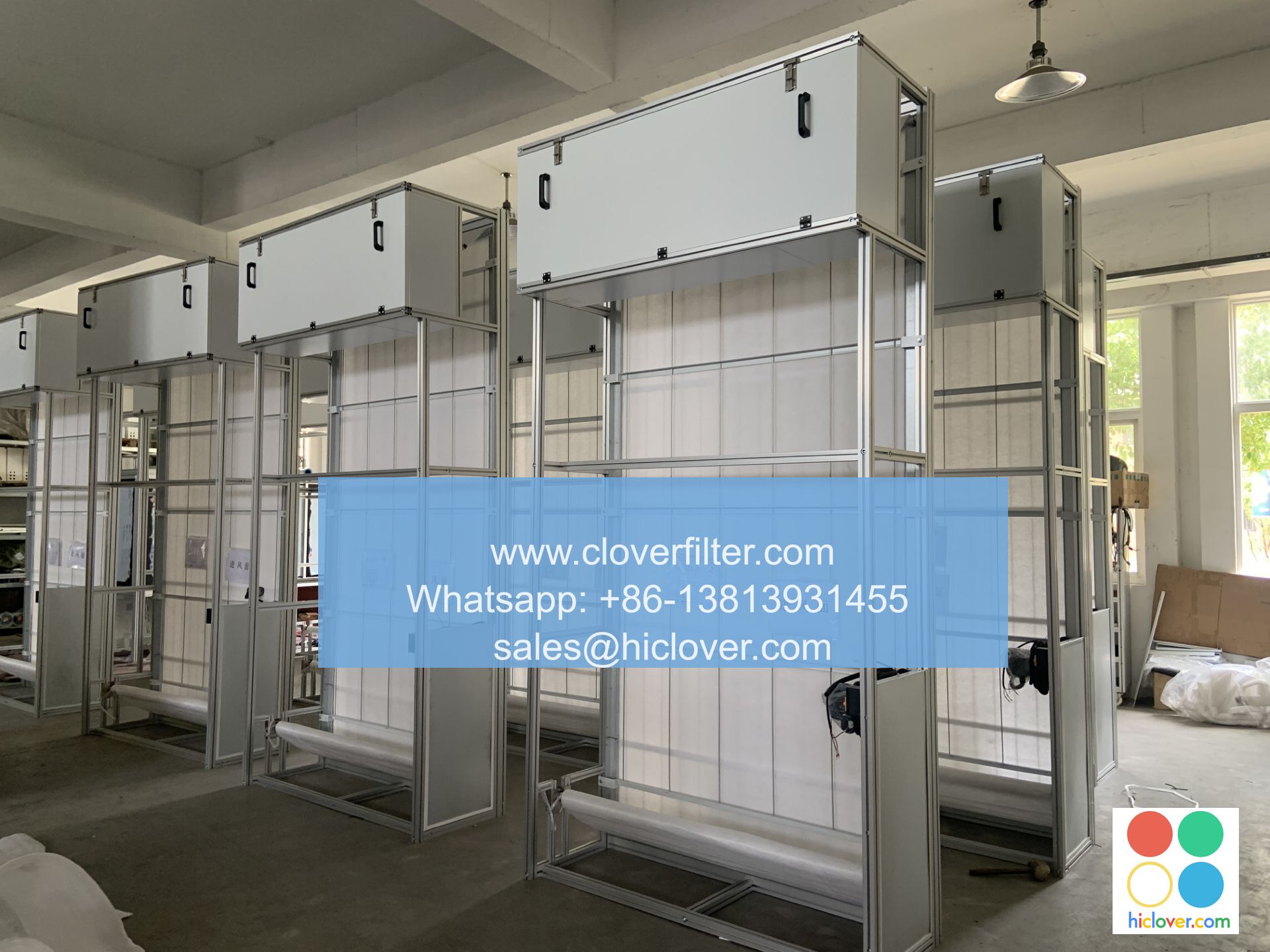
Air filters are used in a variety of application areas, including:
- Commercial HVAC systems: Air filters are used to remove pollutants and contaminants from the air in commercial buildings, such as office buildings, shopping centers, and hotels.
- Industrial air filtration: Air filters are used to remove pollutants and contaminants from the air in industrial settings, such as manufacturing facilities, warehouses, and power plants.
- Pharmaceutical clean rooms: Air filters are used to maintain a sterile environment in pharmaceutical clean rooms, where airborne contamination can have serious consequences.
- Healthcare facilities: Air filters are used to remove pollutants and contaminants from the air in healthcare facilities, such as <b*hospitals, clinics, and nursing homes.
Key Factors to Consider When Selecting Air Filters
When selecting air filters for high-rise buildings and large commercial spaces, there are several key factors to consider, including:
- Filter efficiency: The filter’s ability to remove pollutants and contaminants from the air.
- Filter pressure drop: The filter’s impact on the airflow and energy efficiency of the HVAC system.
- Filter maintenance: The ease of cleaning and replacing the filter.
- Filter cost: The upfront cost of the filter and the ongoing cost of maintenance and replacement.
Conclusion
In conclusion, air filter selection is a critical aspect of maintaining good indoor air quality (IAQ) in high-rise buildings and large commercial spaces. By understanding the different types of air filters available, highlighting various application areas, and considering key factors such as filter efficiency, pressure drop, maintenance, and cost, building owners and facility managers can make informed decisions when selecting air filters for their buildings. Remember to always prioritize indoor air quality management and energy efficiency when selecting air filters for your high-rise building or large commercial space.
You haven’t asked a question or provided any context. What would you like to talk about or ask?
