BC Cleanrooms: The Importance of Automatic Roll Air Filter Validation
BC Cleanrooms are controlled environments that are designed to minimize the presence of pollutants and contaminants. These environments are critical in various industries such as pharmaceuticals, biotechnology, and aerospace, where the quality of products and processes is of utmost importance. One of the key components of maintaining a cleanroom’s integrity is the air filtration system, which plays a vital role in removing airborne contaminants. In this context, automatic roll air filters have become an essential component of cleanroom air filtration systems. In this article, we will discuss the importance of automatic roll air filter validation in BC Cleanrooms.
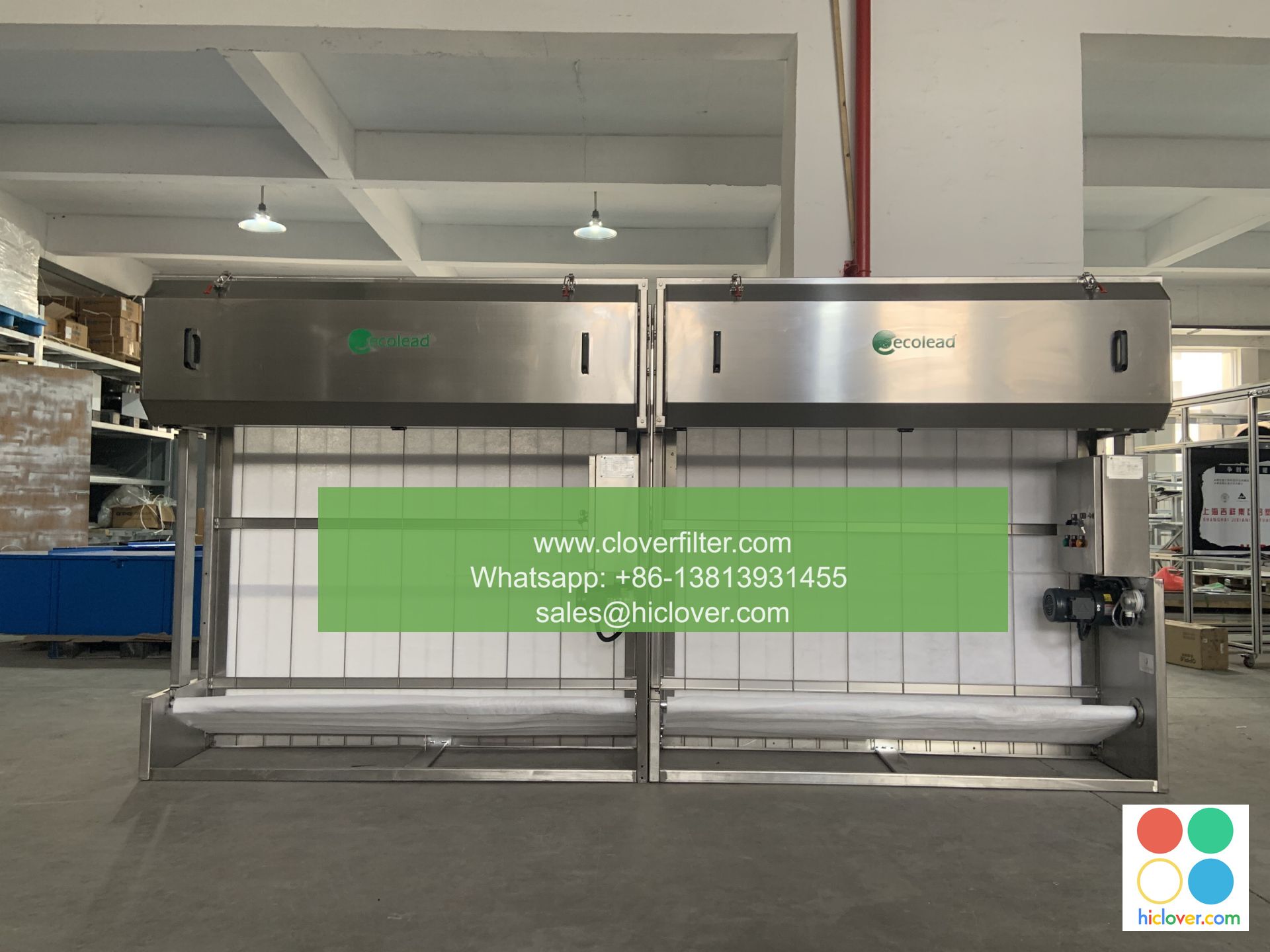
Automatic roll air filters are designed to capture airborne particles and contaminants, preventing them from entering the cleanroom environment. These filters are typically installed in the air handling units (AHUs) or fan filter units (FFUs) of the cleanroom’s heating, ventilation, and air conditioning (HVAC) system. The filters are made of a continuous roll of media that is automatically advanced as it becomes saturated with contaminants, ensuring a consistent and reliable filtration process. The use of automatic roll air filters in BC Cleanrooms offers several benefits, including improved air quality, reduced maintenance, and increased efficiency.
The importance of validating automatic roll air filters in BC Cleanrooms cannot be overstated. Validation is the process of verifying that the filters are functioning as intended, capturing the required amount of airborne contaminants, and maintaining the desired level of air quality. This process involves testing the filters’ performance, typically using techniques such as particle counting or filter scanning, to ensure that they meet the specified standards. Validation is critical for several reasons. Firstly, it ensures that the cleanroom environment is maintained at the required level of cleanliness, which is essential for product quality and safety. Secondly, it helps to prevent contamination, which can have serious consequences, including product recalls, financial losses, and damage to reputation.
Another reason why automatic roll air filter validation is crucial is that it helps to optimize filter replacement schedules. By monitoring the filters’ performance and identifying when they need to be replaced, facilities can avoid unnecessary maintenance and reduce waste. This not only saves costs but also minimizes downtime, ensuring that production and other critical activities are not disrupted. Furthermore, validation helps to identify potential issues with the filtration system, allowing for prompt corrective action to be taken. This proactive approach helps to prevent problems from arising, reducing the risk of contamination and ensuring the continued integrity of the cleanroom environment.
In addition to these benefits, automatic roll air filter validation is also essential for regulatory compliance. Many industries that rely on BC Cleanrooms, such as pharmaceuticals and biotechnology, are subject to stringent regulations and standards. These regulations often require facilities to demonstrate that their cleanrooms are maintained at a specific level of cleanliness, and that their air filtration systems are functioning as intended. By validating automatic roll air filters, facilities can demonstrate compliance with these regulations, avoiding potential fines, penalties, and reputational damage.
In conclusion, automatic roll air filter validation is a critical aspect of maintaining the integrity of BC Cleanrooms. By ensuring that these filters are functioning as intended, facilities can maintain the required level of air quality, prevent contamination, and optimize filter replacement schedules. Validation is also essential for regulatory compliance, helping facilities to demonstrate that their cleanrooms meet the required standards. As the demand for cleanrooms continues to grow, the importance of automatic roll air filter validation will only continue to increase, making it a vital consideration for facilities that rely on these controlled environments.
Frequently Asked Questions (FAQs)
Q: What is the purpose of automatic roll air filter validation in BC Cleanrooms?
A: The purpose of automatic roll air filter validation is to verify that the filters are functioning as intended, capturing the required amount of airborne contaminants, and maintaining the desired level of air quality.
Q: Why is validation important for BC Cleanrooms?
A: Validation is important because it ensures that the cleanroom environment is maintained at the required level of cleanliness, prevents contamination, and optimizes filter replacement schedules.
Q: How is automatic roll air filter validation typically performed?
A: Validation is typically performed using techniques such as particle counting or filter scanning, which involve testing the filters’ performance to ensure that they meet the specified standards.
Q: Is automatic roll air filter validation required for regulatory compliance?
A: Yes, validation is often required for regulatory compliance, as many industries that rely on BC Cleanrooms are subject to stringent regulations and standards that require facilities to demonstrate that their cleanrooms are maintained at a specific level of cleanliness.
