The Importance of MERV Ratings: Understanding Air Filter Efficiency
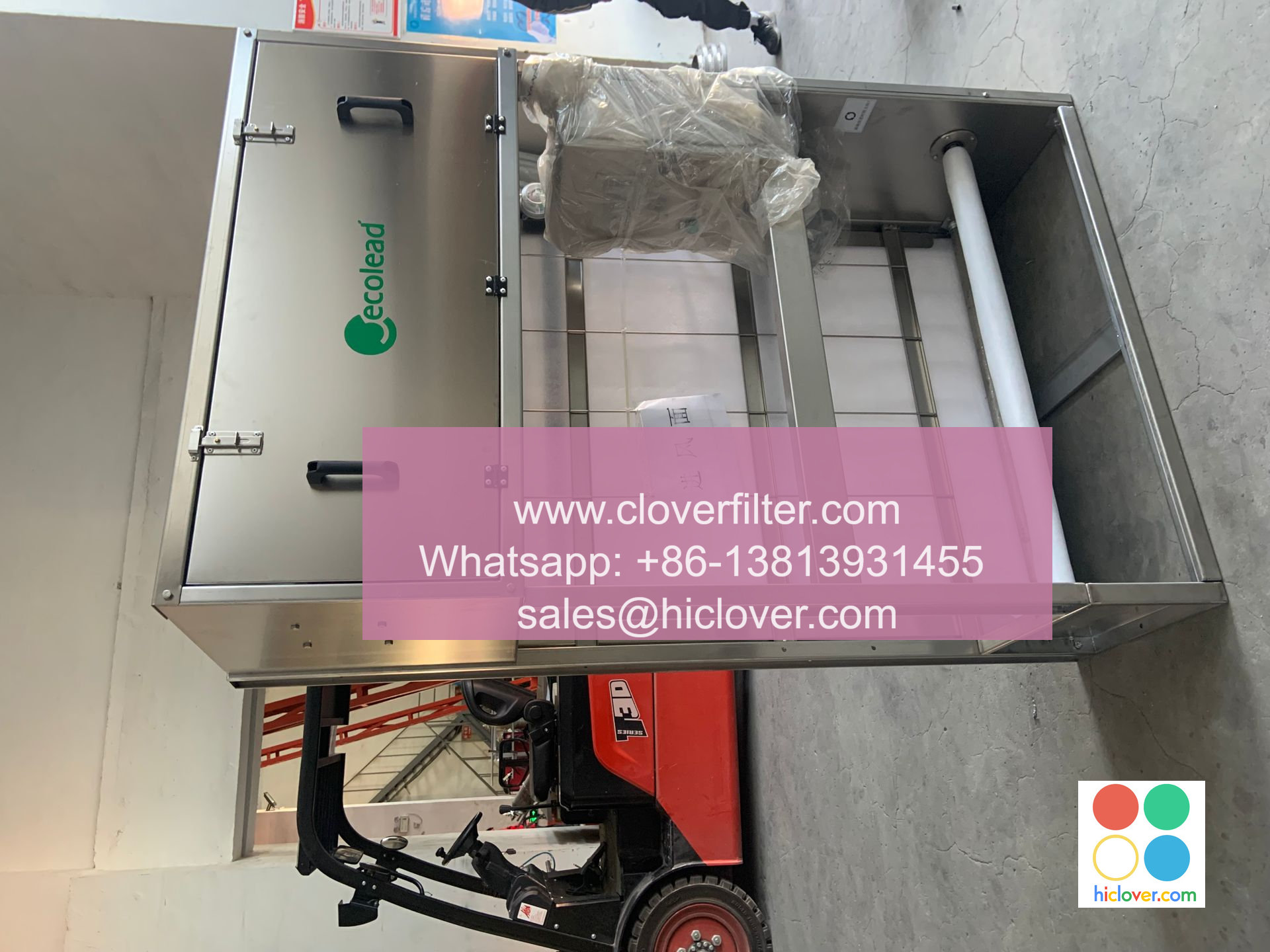
When it comes to indoor air quality, air filtration systems play a vital role in removing airborne contaminants and pollutants. One crucial aspect of these systems is the air filter, which is responsible for capturing particles and preventing them from circulating in the air. To measure the effectiveness of air filters, the MERV rating (Minimum Efficiency Reporting Value) is used. In this article, we will delve into the importance of MERV ratings and their significance in various application areas, including residential HVAC systems, commercial air purification systems, and industrial dust collection systems.
What are MERV Ratings?
MERV ratings are a standard measure of air filter efficiency, ranging from 1 to 20. The higher the MERV rating, the more efficient the filter is at capturing smaller particles. The American Society of Heating, Refrigerating, and Air-Conditioning Engineers (ASHRAE) developed the MERV rating system to provide a consistent and reliable way to evaluate air filter performance. By understanding MERV ratings, individuals can make informed decisions when selecting air filters for their specific needs, whether it’s for home air purification, office air quality, or industrial air filtration.
How MERV Ratings Work
MERV ratings are determined by testing the air filter’s ability to capture particles of different sizes. The tests measure the filter’s efficiency in capturing particles in three size ranges: EO (0.3-1.0 μm), EP (1.0-3.0 μm), and ES (3.0-10.0 μm). The MERV rating is then calculated based on the filter’s performance in each of these size ranges. A higher MERV rating indicates that the filter is more effective at capturing smaller particles, including pollen, mold spores, bacteria, and viruses.
Application Areas for MERV Ratings
MERV ratings are essential in various application areas, including:
* Residential HVAC systems: Homeowners can use MERV ratings to select air filters that provide optimal indoor air quality and allergy relief.
* Commercial air purification systems: Businesses can utilize MERV ratings to choose air filters that meet OSHA and ASHRAE standards for indoor air quality.
* Industrial dust collection systems: Manufacturing facilities can rely on MERV ratings to select air filters that effectively capture industrial dust and particulate matter.
* Healthcare facilities: Hospitals and healthcare facilities can use MERV ratings to ensure that their air filters meet infection control and patient safety standards.

Conclusion
In conclusion, MERV ratings play a crucial role in understanding air filter efficiency and selecting the right air filter for specific applications. By considering MERV ratings, individuals can make informed decisions to improve indoor air quality, reduce allergy symptoms, and prevent airborne illnesses. Whether you’re a homeowner, business owner, or facility manager, understanding MERV ratings is essential for maintaining a healthy and safe indoor environment. Remember to always choose air filters with high MERV ratings to ensure optimal air purification and particulate removal. It seems like you’re ready to give me a prompt, but it hasn’t appeared yet. Please go ahead and share what’s on your mind, whether it’s a question, a topic you’d like to discuss, or something else entirely. I’m here to help!
