Improving Pharmaceutical Manufacturing Efficiency with Automatic Roll Air Filters
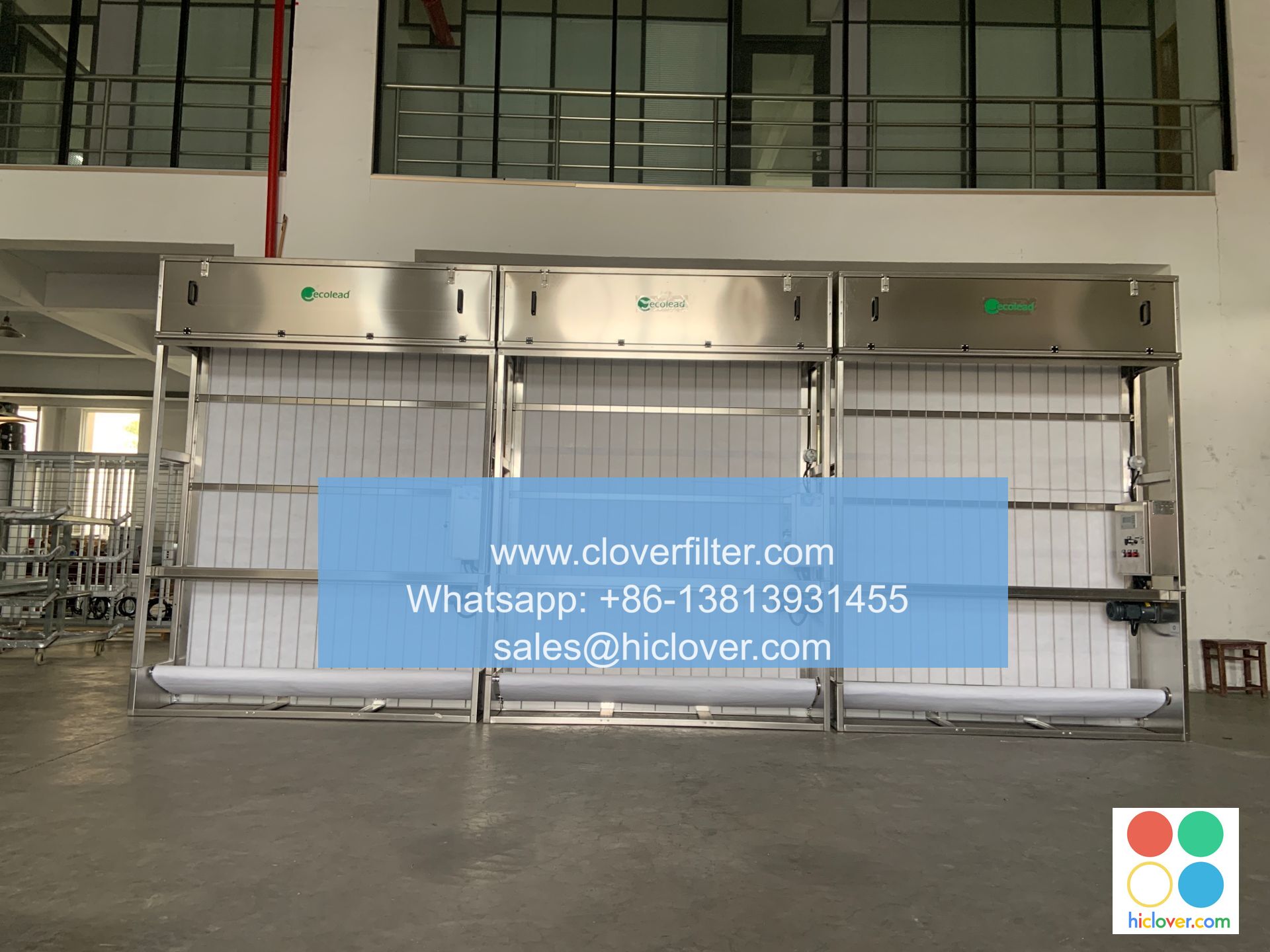
The pharmaceutical industry is one of the most highly regulated and quality-controlled sectors, where maintaining the highest standards of cleanliness and purity is paramount. To ensure the production of safe and effective medicines, pharmaceutical manufacturers must adhere to strict guidelines and regulations. One crucial aspect of pharmaceutical manufacturing is the control of airborne contaminants, which can compromise the quality and safety of products. Automatic roll air filters have emerged as a vital component in improving pharmaceutical manufacturing efficiency by providing a reliable and consistent means of controlling airborne contaminants.
Pharmaceutical manufacturing involves various processes, including synthesis, formulation, and packaging, which generate airborne particles, such as dust, mist, and aerosols. These particles can originate from raw materials, equipment, and even personnel, and can contaminate products, equipment, and the surrounding environment. Traditional air filtration systems, such as manually cleaned filters, can be time-consuming, labor-intensive, and may not provide adequate protection against airborne contaminants. Automatic roll air filters, on the other hand, offer a more efficient and effective solution for controlling airborne contaminants in pharmaceutical manufacturing.

Automatic roll air filters are designed to provide continuous, uninterrupted airflow while capturing airborne particles and contaminants. These filters consist of a roll of filter media that is automatically advanced as the filter becomes loaded with particles, ensuring a consistent airflow and preventing filter clogging. This design enables pharmaceutical manufacturers to maintain a clean and controlled environment, reducing the risk of contamination and ensuring compliance with regulatory requirements. Additionally, automatic roll air filters can be integrated with other cleanroom systems, such as HVAC and ventilation systems, to provide a comprehensive contamination control strategy.
The benefits of automatic roll air filters in pharmaceutical manufacturing are numerous. These filters can significantly reduce the risk of contamination, which can lead to product recalls, fines, and damage to a company’s reputation. By maintaining a clean and controlled environment, pharmaceutical manufacturers can ensure the quality and safety of their products, reducing the risk of contamination-related issues. Automatic roll air filters can also improve manufacturing efficiency by reducing downtime and minimizing the need for manual intervention. This can result in increased productivity, reduced labor costs, and improved overall efficiency.
Furthermore, automatic roll air filters can help pharmaceutical manufacturers meet regulatory requirements and standards, such as those set by the FDA and ISO. These regulations require pharmaceutical manufacturers to maintain a controlled environment, with strict limits on airborne contaminants. Automatic roll air filters can help manufacturers meet these requirements, reducing the risk of non-compliance and associated penalties. In addition, these filters can provide a reliable and consistent means of controlling airborne contaminants, ensuring that pharmaceutical products meet the required standards of quality and safety.
In conclusion, automatic roll air filters are a vital component in improving pharmaceutical manufacturing efficiency. By providing a reliable and consistent means of controlling airborne contaminants, these filters can help pharmaceutical manufacturers maintain a clean and controlled environment, reducing the risk of contamination and ensuring compliance with regulatory requirements. With their ability to improve manufacturing efficiency, reduce downtime, and minimize manual intervention, automatic roll air filters are an essential tool for pharmaceutical manufacturers seeking to improve their operations and ensure the quality and safety of their products.
Frequently Asked Questions (FAQs)
Q: What are the benefits of using automatic roll air filters in pharmaceutical manufacturing?
A: The benefits of using automatic roll air filters in pharmaceutical manufacturing include reduced risk of contamination, improved manufacturing efficiency, reduced downtime, and minimized manual intervention.
Q: How do automatic roll air filters work?
A: Automatic roll air filters work by providing continuous, uninterrupted airflow while capturing airborne particles and contaminants. The filter media is automatically advanced as the filter becomes loaded with particles, ensuring a consistent airflow and preventing filter clogging.
Q: Can automatic roll air filters be integrated with other cleanroom systems?
A: Yes, automatic roll air filters can be integrated with other cleanroom systems, such as HVAC and ventilation systems, to provide a comprehensive contamination control strategy.
Q: Do automatic roll air filters meet regulatory requirements for pharmaceutical manufacturing?
A: Yes, automatic roll air filters can help pharmaceutical manufacturers meet regulatory requirements and standards, such as those set by the FDA and ISO, by providing a reliable and consistent means of controlling airborne contaminants.
Q: How often should automatic roll air filters be maintained?
A: Automatic roll air filters should be maintained regularly, with the filter media replaced as recommended by the manufacturer to ensure optimal performance and effectiveness.
