Newfoundland Offshore Oil Platforms: The Challenges of Implementing Automatic Roll Air Filters
Newfoundland offshore oil platforms are a crucial part of the province’s economy, providing a significant source of revenue and employment opportunities. However, these platforms also pose significant environmental and operational challenges. One of the key challenges faced by these platforms is the maintenance of air quality, which is essential for the safe and efficient operation of the equipment and the health of the personnel on board. To address this challenge, the implementation of automatic roll air filters has been proposed as a potential solution. However, the implementation of these filters poses its own set of challenges, which are discussed in this article.
The offshore oil platforms in Newfoundland are located in a harsh marine environment, with high winds, heavy seas, and extreme temperatures. These conditions pose significant challenges for the maintenance of air quality, as the air is often filled with salt, moisture, and other contaminants. The air intake systems of the platforms’ equipment, such as the gas turbines and diesel generators, are particularly vulnerable to these contaminants, which can cause corrosion, fouling, and other problems. To mitigate these issues, air filters are used to remove the contaminants from the air before it enters the equipment. However, traditional air filters have several limitations, including the need for frequent replacement, high maintenance costs, and limited effectiveness in removing certain types of contaminants.

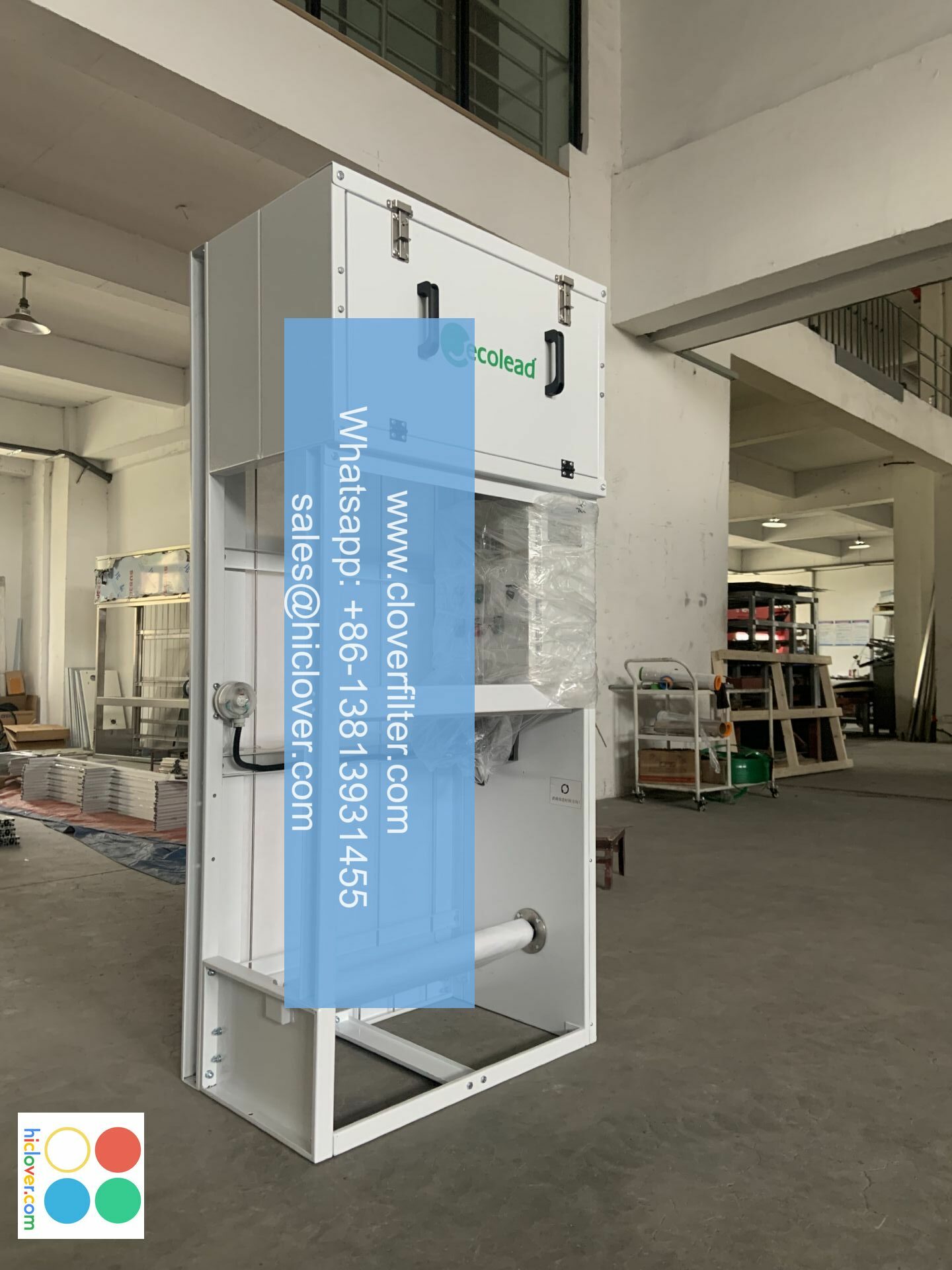
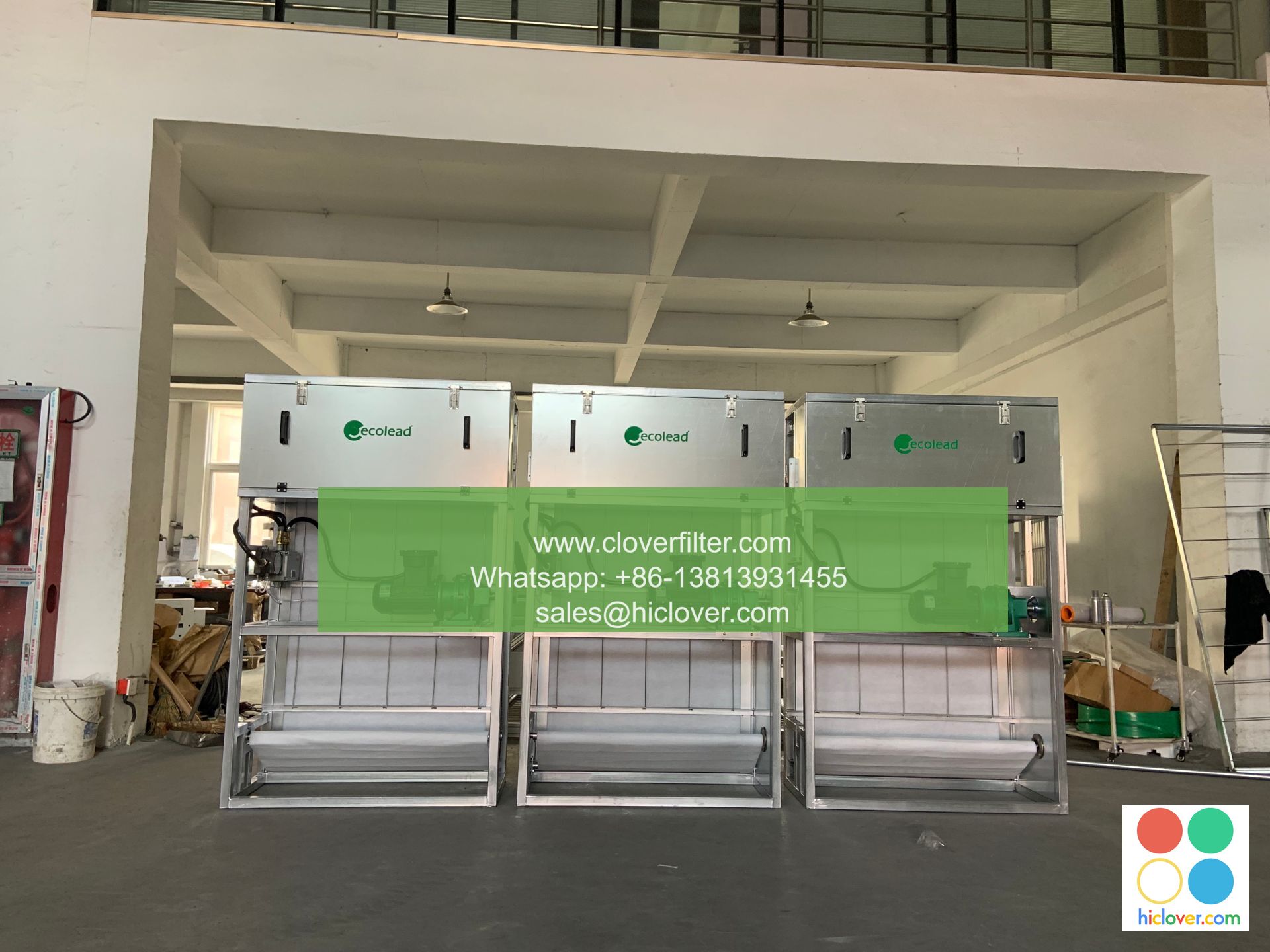
Automatic roll air filters have been proposed as a potential solution to these challenges. These filters use a rolling filter media that is automatically advanced as it becomes dirty, providing a continuous supply of clean air to the equipment. The filters are designed to be more effective and efficient than traditional filters, with lower maintenance costs and longer service life. However, the implementation of these filters on Newfoundland offshore oil platforms poses several challenges. One of the main challenges is the harsh environment, which can cause the filters to degrade more quickly than expected. The high winds, heavy seas, and extreme temperatures can also cause the filters to vibrate or become dislodged, reducing their effectiveness.
Another challenge is the limited space available on the platforms, which can make it difficult to install and maintain the filters. The platforms are typically crowded and cramped, with limited access to the equipment and limited storage space for spare parts and supplies. This can make it difficult to install the filters, which require a significant amount of space and specialized equipment. Additionally, the filters require regular maintenance, including the replacement of the filter media and the cleaning of the filter housing, which can be challenging in the confined spaces of the platform.
Despite these challenges, the implementation of automatic roll air filters on Newfoundland offshore oil platforms has the potential to provide significant benefits. The filters can help to improve the air quality, reducing the risk of equipment damage and personnel health problems. They can also help to reduce maintenance costs, by minimizing the need for frequent filter replacements and reducing the amount of downtime required for maintenance. Furthermore, the filters can help to improve the overall efficiency of the equipment, by providing a consistent supply of clean air and reducing the risk of fouling and corrosion.
In conclusion, the implementation of automatic roll air filters on Newfoundland offshore oil platforms poses several challenges, including the harsh environment, limited space, and maintenance requirements. However, the potential benefits of these filters, including improved air quality, reduced maintenance costs, and improved equipment efficiency, make them an attractive solution for the offshore oil industry. To overcome the challenges, platform operators and filter manufacturers must work together to develop and implement effective installation, maintenance, and repair strategies, taking into account the unique conditions of the offshore environment.
Frequently Asked Questions
Q: What are automatic roll air filters and how do they work?
A: Automatic roll air filters use a rolling filter media that is automatically advanced as it becomes dirty, providing a continuous supply of clean air to the equipment.
Q: What are the benefits of using automatic roll air filters on offshore oil platforms?
A: The benefits of using automatic roll air filters on offshore oil platforms include improved air quality, reduced maintenance costs, and improved equipment efficiency.
Q: What are the challenges of implementing automatic roll air filters on offshore oil platforms?
A: The challenges of implementing automatic roll air filters on offshore oil platforms include the harsh environment, limited space, and maintenance requirements.
Q: How can the challenges of implementing automatic roll air filters be overcome?
A: The challenges of implementing automatic roll air filters can be overcome by developing and implementing effective installation, maintenance, and repair strategies, taking into account the unique conditions of the offshore environment.
Q: Are automatic roll air filters suitable for use in all types of offshore oil platforms?
A: Automatic roll air filters can be used on a variety of offshore oil platforms, but their suitability will depend on the specific conditions and requirements of each platform.
