Air Filter Data Security: Protecting Sensitive Information
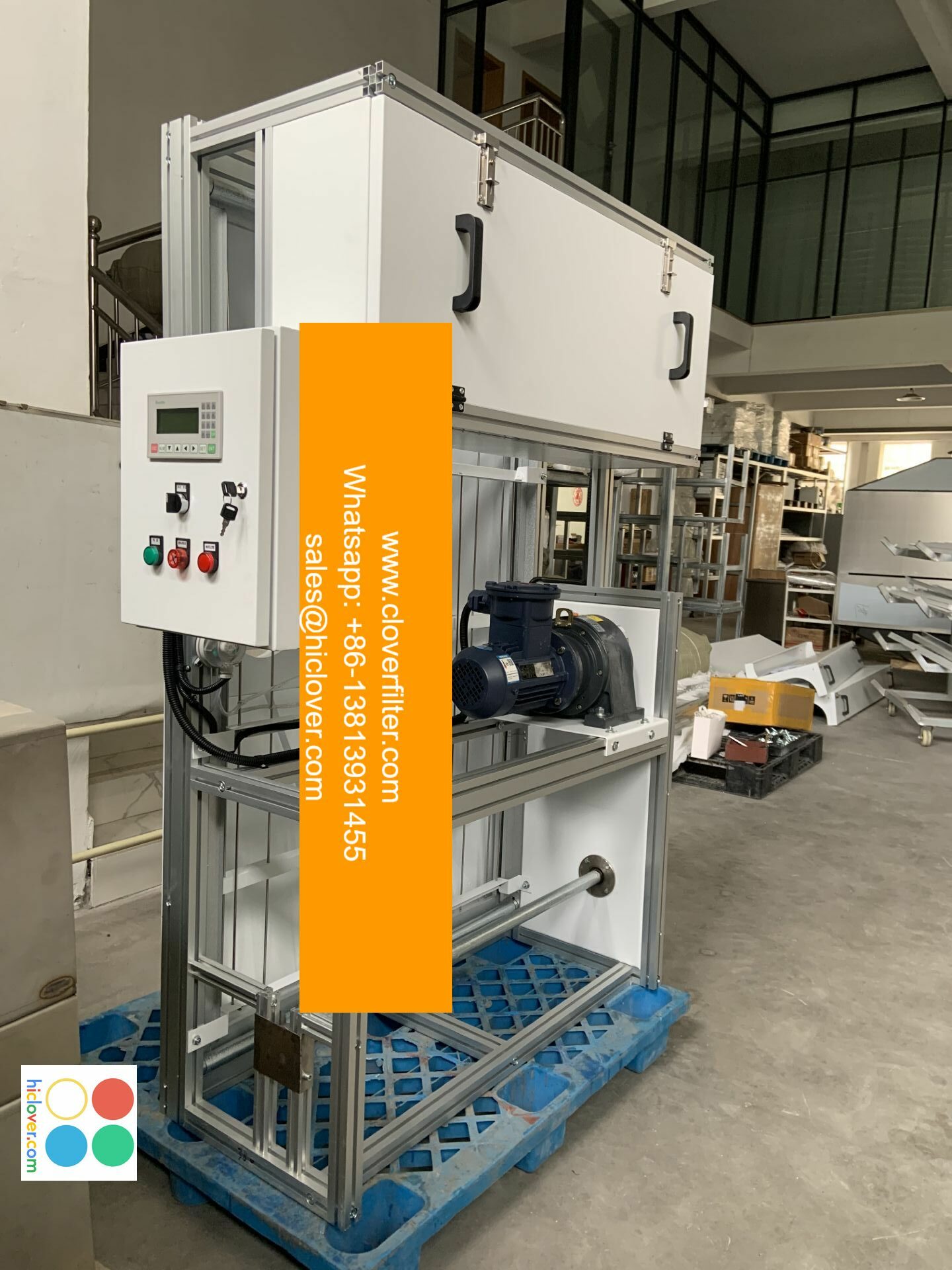
The increasing use of smart air filters and Internet of Things (IoT) devices has led to a growing concern about air filter data security. As these devices become more prevalent in homes, businesses, and industries, the risk of sensitive information being compromised also increases. In this article, we will explore the importance of protecting sensitive information in the air filter industry, highlighting various application areas, and discussing the role of cybersecurity and data protection in ensuring the security of air filter data.
Introduction to Air Filter Data Security
Air filter data security refers to the measures taken to protect sensitive information related to air filters, including usage patterns, filter performance, and environmental data. With the rise of IoT-enabled air filters, the amount of data being collected and transmitted has increased significantly. This data can be used to improve air filter performance, optimize energy consumption, and enhance indoor air quality. However, it also poses a significant risk if it falls into the wrong hands.
Application Areas of Air Filter Data Security
Air filter data security is crucial in various application areas, including:
* Smart Homes and Buildings: IoT-enabled air filters can collect data on usage patterns, temperature, and humidity levels, which can be used to optimize energy consumption and improve indoor air quality.
* Industrial Settings: Air filters used in industrial settings, such as manufacturing and healthcare, require high levels of data security to protect sensitive information related to production processes and patient data.
* Commercial Buildings: Office buildings, shopping centers, and other commercial establishments rely on air filters to maintain good indoor air quality. Protecting sensitive information related to air filter performance and usage patterns is essential in these settings.
* Aerospace and Defense: Air filters used in aerospace and defense applications require the highest levels of data security due to the sensitive nature of the information being protected.
Cybersecurity Threats to Air Filter Data Security
The increasing use of IoT devices has led to a rise in cybersecurity threats, including:
* Data Breaches: Unauthorized access to sensitive information related to air filter usage patterns, filter performance, and environmental data.
* Malware Attacks: Malicious software can be used to compromise air filter systems, leading to data theft, system downtime, and other security risks.
* DDoS Attacks: Distributed Denial-of-Service (DDoS) attacks can overwhelm air filter systems, making them unavailable and compromising data security.

Protecting Sensitive Information: Best Practices for Air Filter Data Security
To protect sensitive information related to air filters, the following best practices should be implemented:
* Encryption: Data should be encrypted both in transit and at rest to prevent unauthorized access.
* Access Control: Role-based access control should be implemented to ensure that only authorized personnel have access to sensitive information.
* Regular Updates and Patching: Air filter systems should be regularly updated and patched to prevent vulnerabilities from being exploited.
* Monitoring and Incident Response: Air filter systems should be continuously monitored for security threats, and incident response plans should be in place to quickly respond to security incidents.
Conclusion
Air filter data security is a critical concern in the age of IoT and cybersecurity threats. Protecting sensitive information related to air filters is essential to prevent data breaches, malware attacks, and other security risks. By implementing best practices, such as encryption, access control, regular updates and patching, and monitoring and incident response, organizations can ensure the security of air filter data and protect sensitive information. As the use of smart air filters and IoT devices continues to grow, the importance of air filter data security will only continue to increase. It looks like you’re ready to start a conversation, but you haven’t given me a specific prompt to work with. That’s okay! I can suggest some options to get us started. Would you like to:
1. Ask me a question on a specific topic (e.g. science, history, technology)?
2. Engage in a fun conversation game (e.g. “Would you rather…”, “Two truths and a lie”)?
3. Explore a creative writing prompt (e.g. writing a short story, generating a character)?
4. Discuss a current event or news article?
5. Something else entirely?
Let me know, and I’ll do my best to help!
