Air Filter Certification: What Do the Labels Mean?
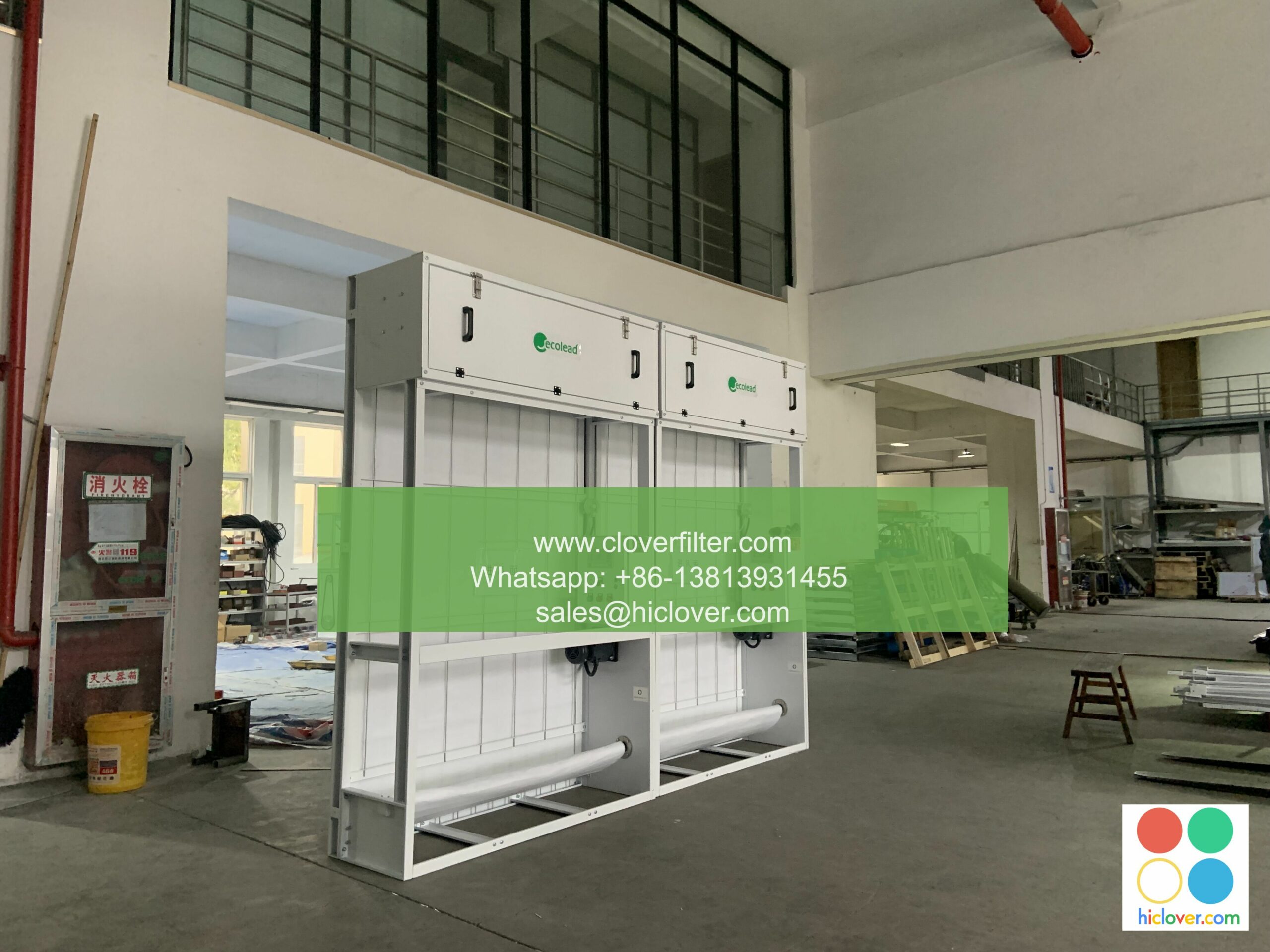
When it comes to selecting the right air filter for your home, office, or industrial space, it’s essential to understand the various certifications and labels that indicate the filter’s performance and efficiency. In this article, we’ll break down the different types of air filter certifications, what they mean, and their applications in various areas, including indoor air quality (IAQ), heating, ventilation, and air conditioning (HVAC), and air pollution control.
Understanding MERV Ratings
The Minimum Efficiency Reporting Value (MERV) rating is a widely used standard for measuring the effectiveness of air filters in removing airborne particles. MERV ratings range from 1 to 20, with higher numbers indicating better filtration performance. Here’s a brief overview of the MERV rating scale:
* MERV 1-4: Basic filters that capture large particles like dust and pollen
* MERV 5-8: Mid-range filters that capture smaller particles like mold and pet dander
* MERV 9-12: High-efficiency filters that capture even smaller particles like smoke and bacteria
* MERV 13-16: High-performance filters that capture extremely small particles like viruses and nanoparticles
* MERV 17-20: Ultra-high-performance filters that capture almost all airborne particles
Other Certifications and Labels
In addition to MERV ratings, air filters may also carry other certifications and labels, such as:
* HEPA (High Efficiency Particulate Air): Filters that capture 99.97% of particles as small as 0.3 microns
* UL (Underwriters Laboratories): Certification for safety and performance
* ASHRAE (American Society of Heating, Refrigerating, and Air-Conditioning Engineers): Standards for air filter performance and energy efficiency
* ISO 16890: International standard for air filter testing and classification
Application Areas
Air filter certifications and labels are crucial in various application areas, including:
* Residential HVAC systems: MERV 8-11 filters are commonly used in home air conditioning and heating systems
* Commercial HVAC systems: MERV 11-14 filters are often used in office buildings, schools, and hospitals
* Industrial air pollution control: High-performance filters (MERV 15-20) are used to capture hazardous particles and gases in industrial settings
* Cleanrooms and laboratories: Ultra-high-performance filters (MERV 17-20) are used to maintain extremely clean environments

Conclusion
In conclusion, understanding air filter certifications and labels is essential for selecting the right filter for your specific needs. By considering factors like MERV ratings, HEPA certification, and other labels, you can ensure that your air filter is effective in removing airborne particles and improving indoor air quality (IAQ). Whether you’re looking to upgrade your home’s HVAC system or maintain a cleanroom environment, choosing the right air filter can have a significant impact on the health, comfort, and productivity of occupants. Always look for reputable certifications and labels, and consult with a professional if you’re unsure about the best air filter for your application. It seems like you forgot to include the prompt. Please go ahead and provide the prompt, and I’ll be happy to help!
