The Effects of Air Filter Efficiency on Air Quality in Urban Areas
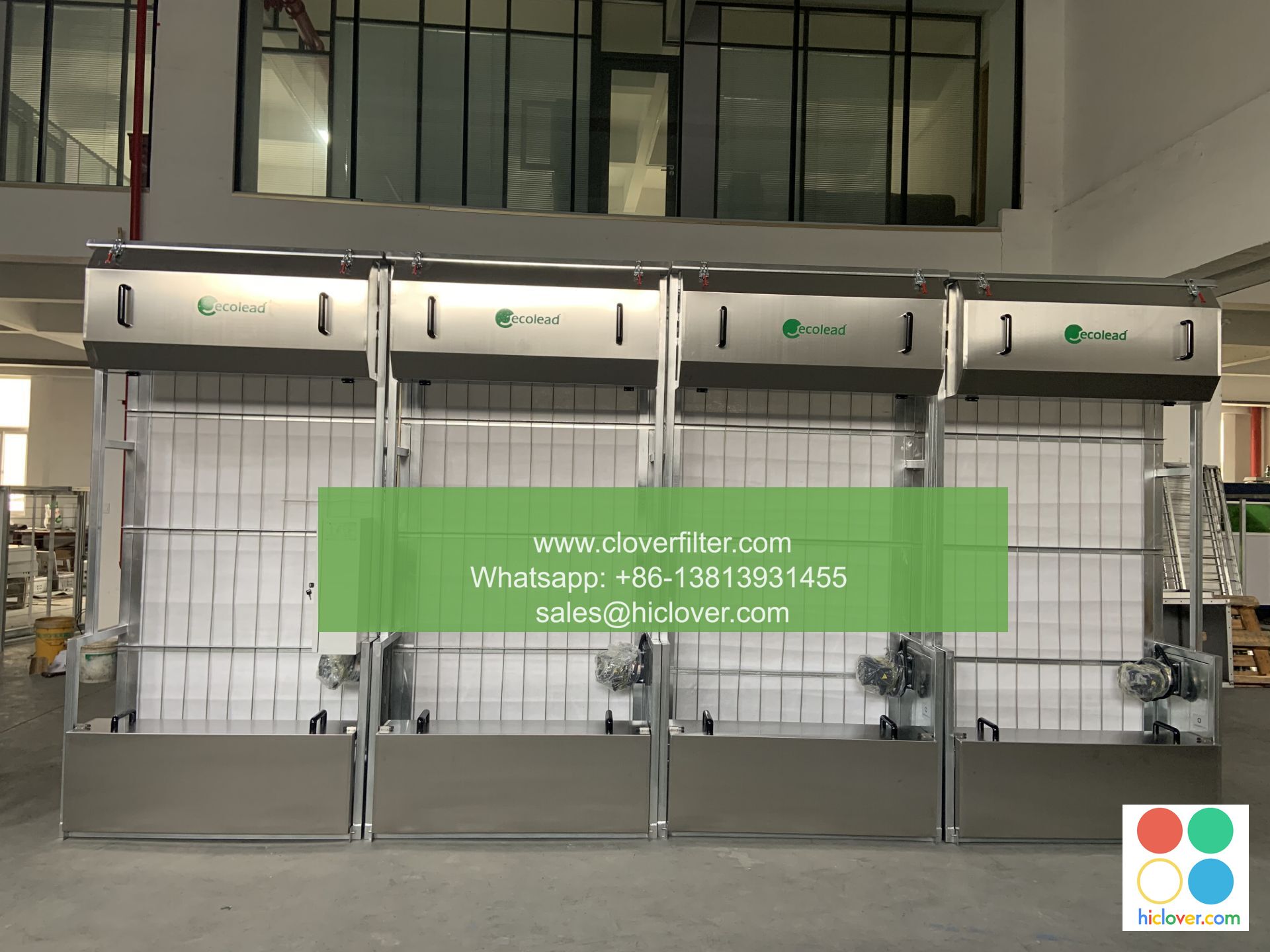
Air pollution is a major concern in urban areas, with particulate matter (PM), nitrogen dioxide (NO2), and volatile organic compounds (VOCs) being some of the most harmful pollutants. One effective way to mitigate this issue is by using high-efficiency air filters in heating, ventilation, and air conditioning (HVAC) systems. In this article, we will discuss the effects of air filter efficiency on air quality in urban areas and highlight various application areas where air filtration systems can make a significant difference.
Understanding Air Filter Efficiency
Air filter efficiency is measured by the Minimum Efficiency Reporting Value (MERV) rating, which ranges from 1 to 20. The higher the MERV rating, the more efficient the air filter is at capturing particulate matter and other pollutants. High-efficiency particulate air (HEPA) filters, for example, have a MERV rating of 17 or higher and can capture 99.97% of particles as small as 0.3 microns.
Impact on Air Quality
The use of high-efficiency air filters can significantly improve indoor air quality (IAQ) in urban areas. By capturing particulate matter, NO2, and VOCs, these filters can reduce the concentration of pollutants in the air, making it safer for people to breathe. This is especially important for individuals with respiratory issues, such as asthma and chronic obstructive pulmonary disease (COPD).
Application Areas
Air filtration systems can be applied in various settings, including:
* Commercial buildings: Offices, shopping malls, and restaurants can benefit from high-efficiency air filters to improve IAQ and reduce the risk of airborne diseases.
* Residential buildings: Homes and apartments can use air filtration systems to remove pollutants and allergens from the air, creating a healthier living environment.
* Public transportation: Buses and trains can be equipped with air filtration systems to reduce the concentration of pollutants in the air, making it safer for passengers to breathe.
* Industrial settings: Factories and warehouses can use air filtration systems to remove hazardous particles and gases from the air, protecting workers from occupational hazards.
Conclusion
In conclusion, the use of high-efficiency air filters can have a significant impact on air quality in urban areas. By capturing particulate matter and other pollutants, these filters can improve IAQ and reduce the risk of airborne diseases. As the world becomes increasingly urbanized, the importance of air filtration systems will only continue to grow, making them a crucial component of urban planning and public health strategies. By highlighting the effects of air filter efficiency on air quality and various application areas, we hope to raise awareness about the importance of air filtration systems in creating a healthier and more sustainable urban environment. It looks like you’re ready to get started, but you haven’t given me a prompt yet! What would you like to talk about or ask? I can assist with a wide range of topics, from answering questions and providing information to generating creative content or just having a conversation. What’s on your mind?
