Air Filter Efficiency in Various Environmental Conditions
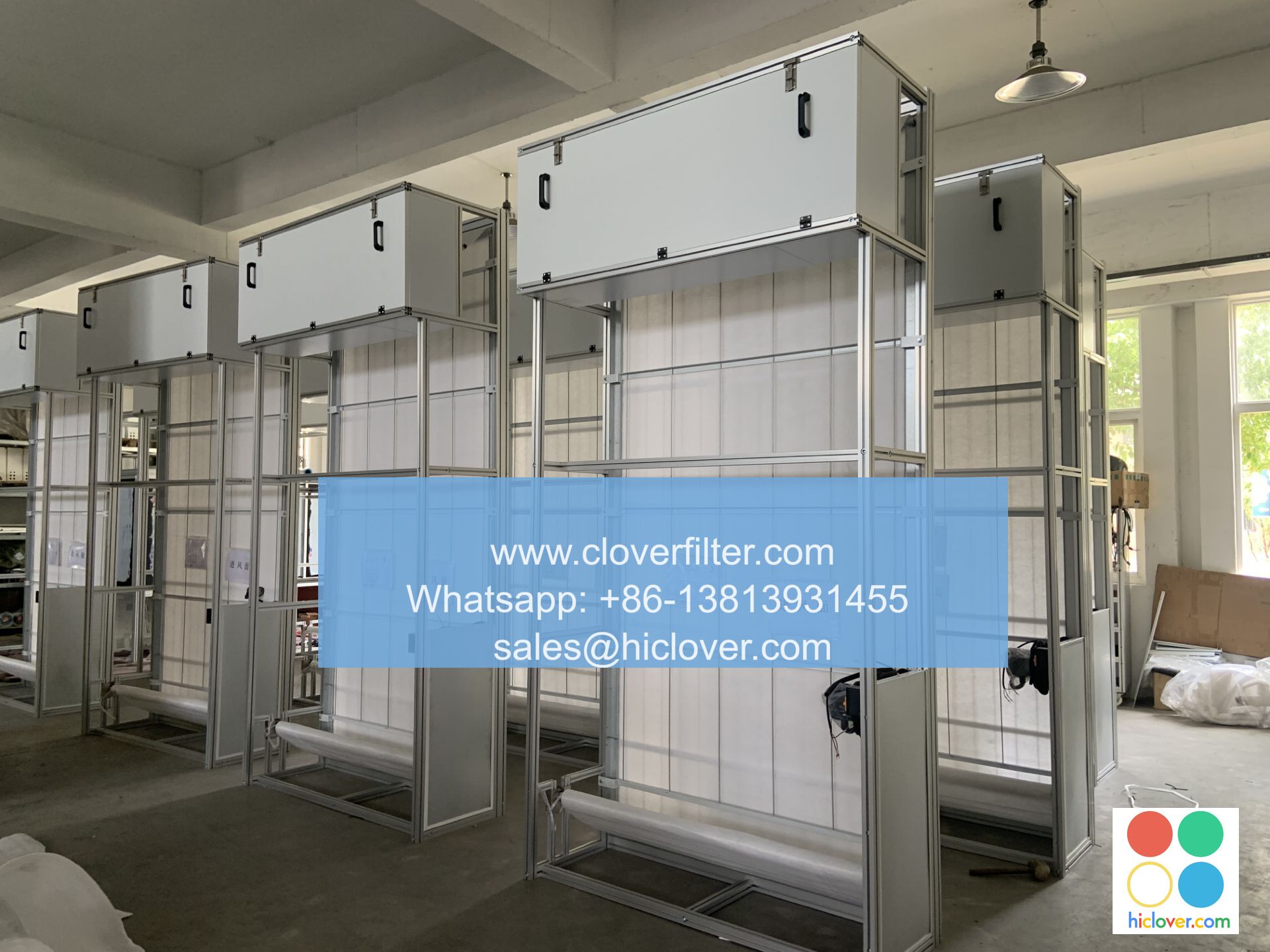
Air filter efficiency is a critical factor in maintaining good indoor air quality, and it is influenced by various environmental conditions. In this article, we will discuss the impact of different environmental conditions on air filter efficiency, highlighting various application areas and key performance indicators such as filtration effectiveness, dust holding capacity, and airflow resistance.
Introduction to Air Filter Efficiency
Air filters are designed to remove particulate matter (PM), gases, and volatile organic compounds (VOCs) from the air, improving indoor air quality and reducing the risk of respiratory diseases. The efficiency of an air filter is measured by its ability to capture fine particles (PM2.5) and coarse particles (PM10), as well as its filter media and filtration technology.
Environmental Conditions Affecting Air Filter Efficiency
Several environmental conditions can impact air filter efficiency, including:
* Temperature: High temperatures can affect the viscoelastic properties of the filter media, reducing its efficiency.
* Humidity: High humidity can lead to moisture accumulation in the filter, reducing its airflow rate and efficiency.
* Airflow velocity: Increased airflow velocity can improve filter efficiency, but high velocities can also lead to filter media damage.
* Particle size and type: Different types of particles, such as PM2.5, PM10, and nanoparticles, can affect filter efficiency.
Application Areas and Filter Efficiency
Air filters are used in various application areas, including:
* Residential buildings: Air filters are used in heating, ventilation, and air conditioning (HVAC) systems to improve indoor air quality.
* Commercial buildings: Air filters are used in commercial HVAC systems to maintain good indoor air quality and reduce the risk of occupational diseases.
* Industrial settings: Air filters are used in industrial processes to remove hazardous particles and gases from the air.
* Transportation systems: Air filters are used in vehicles to improve indoor air quality and reduce the risk of respiratory diseases.

Key Performance Indicators for Air Filter Efficiency
Several key performance indicators (KPIs) are used to evaluate air filter efficiency, including:
* Filtration effectiveness: The ability of the filter to capture particles and gases from the air.
* Dust holding capacity: The amount of dust and particles that the filter can hold before it needs to be replaced.
* Airflow resistance: The resistance to airflow through the filter, which can affect its efficiency and energy consumption.
Conclusion
Air filter efficiency is a critical factor in maintaining good indoor air quality, and it is influenced by various environmental conditions. By understanding the impact of different environmental conditions on air filter efficiency, we can optimize filter design and filtration technology to improve indoor air quality and reduce the risk of respiratory diseases. By highlighting various application areas and key performance indicators, we can improve the overall air filter efficiency and indoor air quality. It seems like you forgot to include the prompt. Please go ahead and provide the prompt, and I’ll do my best to help!
