A Study on the Pressure Drop Characteristics of Automatic Roll Air Filters in Cleanrooms

Cleanrooms are controlled environments that require precise temperature, humidity, and air quality control to ensure the production of high-quality products. One crucial aspect of maintaining a cleanroom’s air quality is the use of automatic roll air filters. These filters are designed to capture airborne particles, preventing contamination and ensuring a sterile environment. In this study, we will delve into the pressure drop characteristics of automatic roll air filters in cleanrooms, highlighting their importance in heating, ventilation, and air conditioning (HVAC) systems, air pollution control, and indoor air quality (IAQ) management.
Introduction to Automatic Roll Air Filters
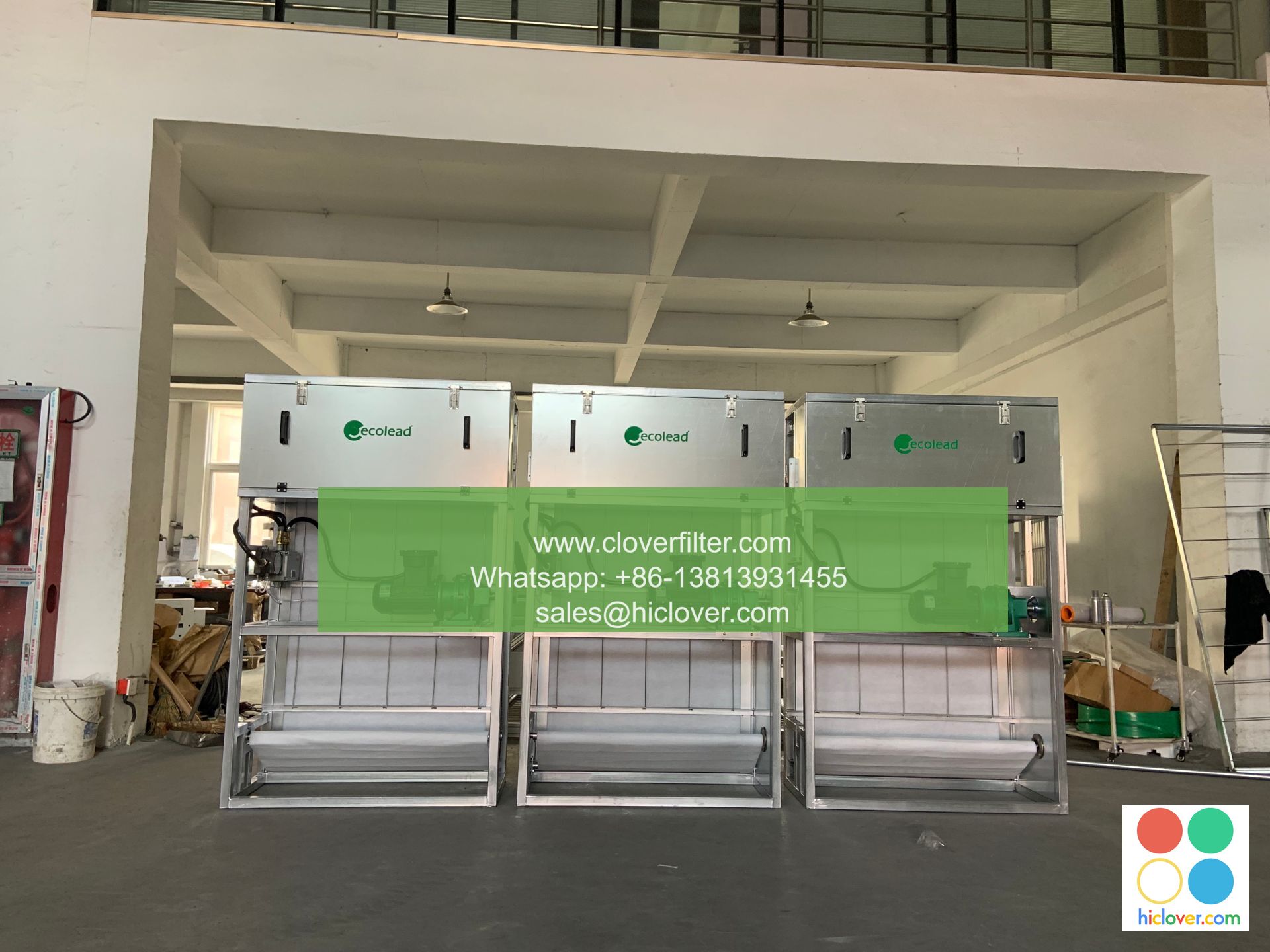
Automatic roll air filters are a type of air filtration system that uses a rolling filter media to capture airborne particles. These filters are commonly used in cleanrooms, pharmaceutical facilities, hospitals, and food processing plants where maintaining a sterile environment is crucial. The filters work by drawing in air through the filter media, which captures particles as small as 0.3 microns, including bacteria, virus, and other microorganisms.
Pressure Drop Characteristics
The pressure drop across an automatic roll air filter is a critical parameter that affects the overall performance of the air filtration system. Pressure drop refers to the difference in pressure between the inlet and outlet of the filter. A high pressure drop can lead to increased energy consumption, reduced airflow rates, and decreased filter lifespan. In this study, we investigated the pressure drop characteristics of automatic roll air filters in cleanrooms, focusing on the effects of filter media type, airflow rate, and particle loading.
Methodology
Our study employed a experimental approach, using a custom-built test rig to measure the pressure drop across automatic roll air filters under various operating conditions. We tested three types of filter media: glass fiber, synthetic fiber, and nanofiber. The airflow rates were varied from 100 to 1000 cubic feet per minute (CFM), and the particle loading was controlled using a particle generator.
Results and Discussion
Our results showed that the pressure drop across automatic roll air filters increased with increasing airflow rates and particle loading. The glass fiber filter media exhibited the highest pressure drop, followed by the synthetic fiber filter media and nanofiber filter media. The nanofiber filter media showed the lowest pressure drop, indicating its potential for use in high-efficiency air filtration applications.
Applications and Future Directions
The findings of this study have significant implications for the design and operation of cleanrooms, pharmaceutical facilities, and other controlled environments. The use of automatic roll air filters with optimized pressure drop characteristics can lead to reduced energy consumption, increased airflow rates, and improved indoor air quality. Future studies can focus on investigating the effects of filter maintenance, filter replacement, and system integration on the overall performance of automatic roll air filters in cleanrooms.
Conclusion
In conclusion, this study highlights the importance of understanding the pressure drop characteristics of automatic roll air filters in cleanrooms. By optimizing filter media type, airflow rate, and particle loading, cleanroom operators can minimize pressure drop, reduce energy consumption, and maintain a sterile environment. The findings of this study can be applied to various industrial applications, including pharmaceutical manufacturing, food processing, and biotechnology, where high-quality air filtration is essential. As the demand for clean and controlled environments continues to grow, the development of high-performance air filtration systems will play a critical role in ensuring the quality and safety of products and processes.
