Air Filter Replacement Intervals: A Study on Optimal Scheduling
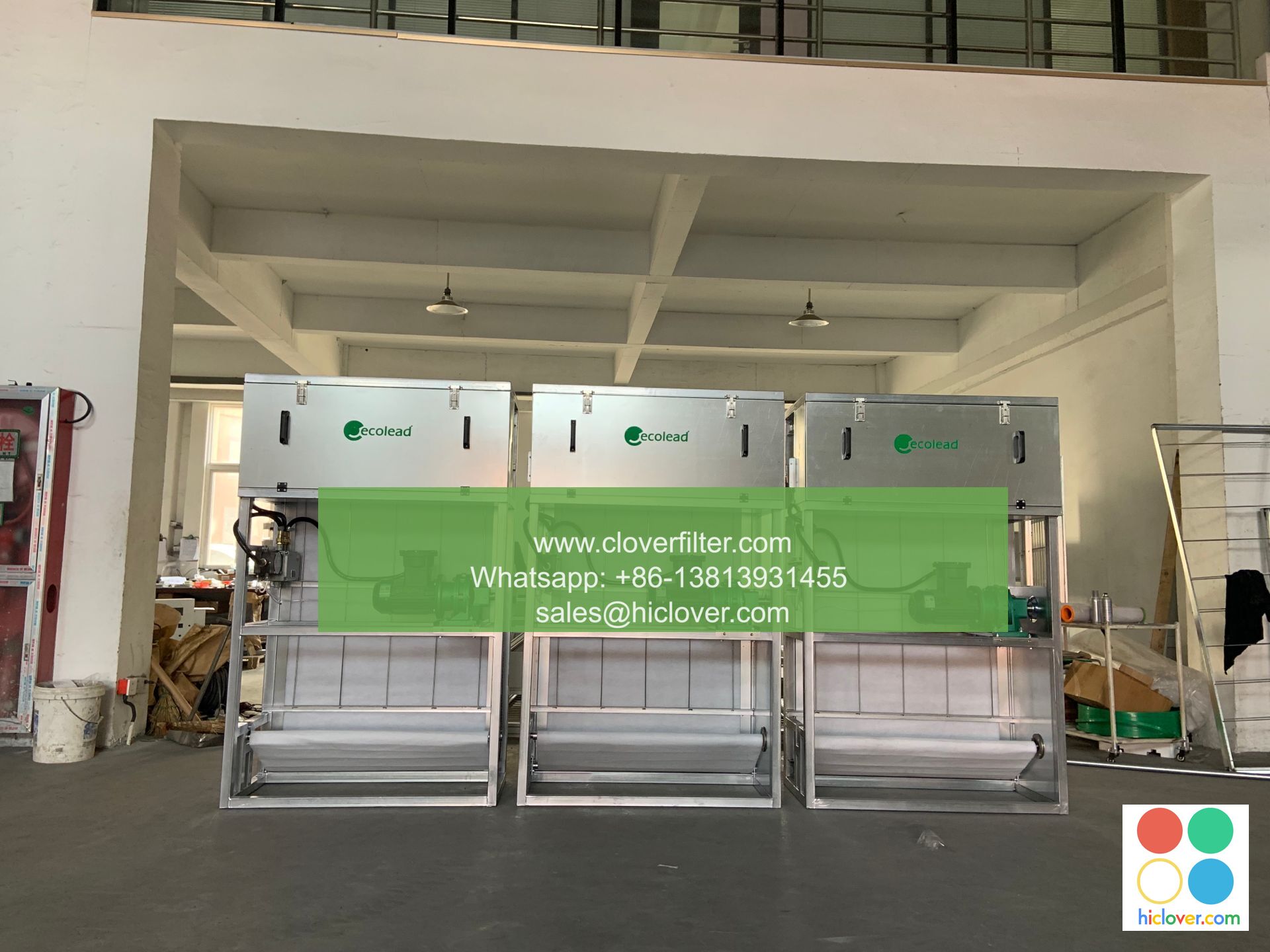
As the world grapples with the challenges of indoor air quality and energy efficiency, the importance of air filter replacement cannot be overstated. Air filtration systems play a critical role in maintaining a healthy and comfortable indoor environment, and regular maintenance is essential to ensure their optimal performance. In this article, we will delve into the world of air filter replacement intervals and explore the optimal scheduling strategies for various application areas.
Introduction to Air Filter Replacement
Air filters are designed to capture particulate matter, gases, and odors from the air, improving indoor air quality and reducing the risk of respiratory problems. However, as air filters become clogged with debris and contaminants, their efficiency decreases, leading to reduced airflow and increased energy consumption. Regular replacement of air filters is essential to maintain optimal performance and prevent premature system failure.
Factors Influencing Air Filter Replacement Intervals
Several factors influence the replacement interval of air filters, including:
* Air quality: Areas with high levels of pollution or particulate matter require more frequent filter replacement.
* System usage: Air filtration systems that operate continuously or at high airflow rates require more frequent filter replacement.
* Filter type: Different types of air filters, such as HEPA filters or activated carbon filters, have varying replacement intervals.
* Environmental conditions: Temperature, humidity, and air pressure can affect filter performance and replacement interval.
Optimal Scheduling Strategies
To determine the optimal replacement interval for air filters, it is essential to consider the specific application area and system requirements. Some common application areas include:
* Residential buildings: Air filter replacement every 1-3 months is recommended for residential HVAC systems.
* Commercial buildings: Air filter replacement every 1-6 months is recommended for commercial HVAC systems, depending on occupancy and air quality requirements.
* Industrial settings: Air filter replacement every 1-12 months is recommended for industrial air filtration systems, depending on system usage and air quality requirements.
* Healthcare facilities: Air filter replacement every 1-3 months is recommended for healthcare facilities, depending on infection control and air quality requirements.

Benefits of Optimal Air Filter Replacement
Optimal air filter replacement offers numerous benefits, including:
* Improved indoor air quality
* Increased energy efficiency
* Extended system lifespan
* Reduced maintenance costs
* Enhanced occupant health and comfort
Conclusion
In conclusion, air filter replacement intervals play a critical role in maintaining optimal air quality and energy efficiency in various application areas. By understanding the factors that influence replacement intervals and implementing optimal scheduling strategies, building owners and managers can ensure peak performance from their air filtration systems while promoting a healthy and comfortable indoor environment. Whether you are responsible for residential, commercial, industrial, or healthcare facilities, regular air filter replacement is essential for optimal performance and extended system lifespan. It seems like you’re ready to start a conversation or ask a question, but you haven’t provided any details yet. Could you please provide more context or specify what you’re interested in? I’m here to help with a wide range of topics, from science and history to entertainment and culture. What’s on your mind?
