The Air Filter Association’s Stance on Air Quality Policy
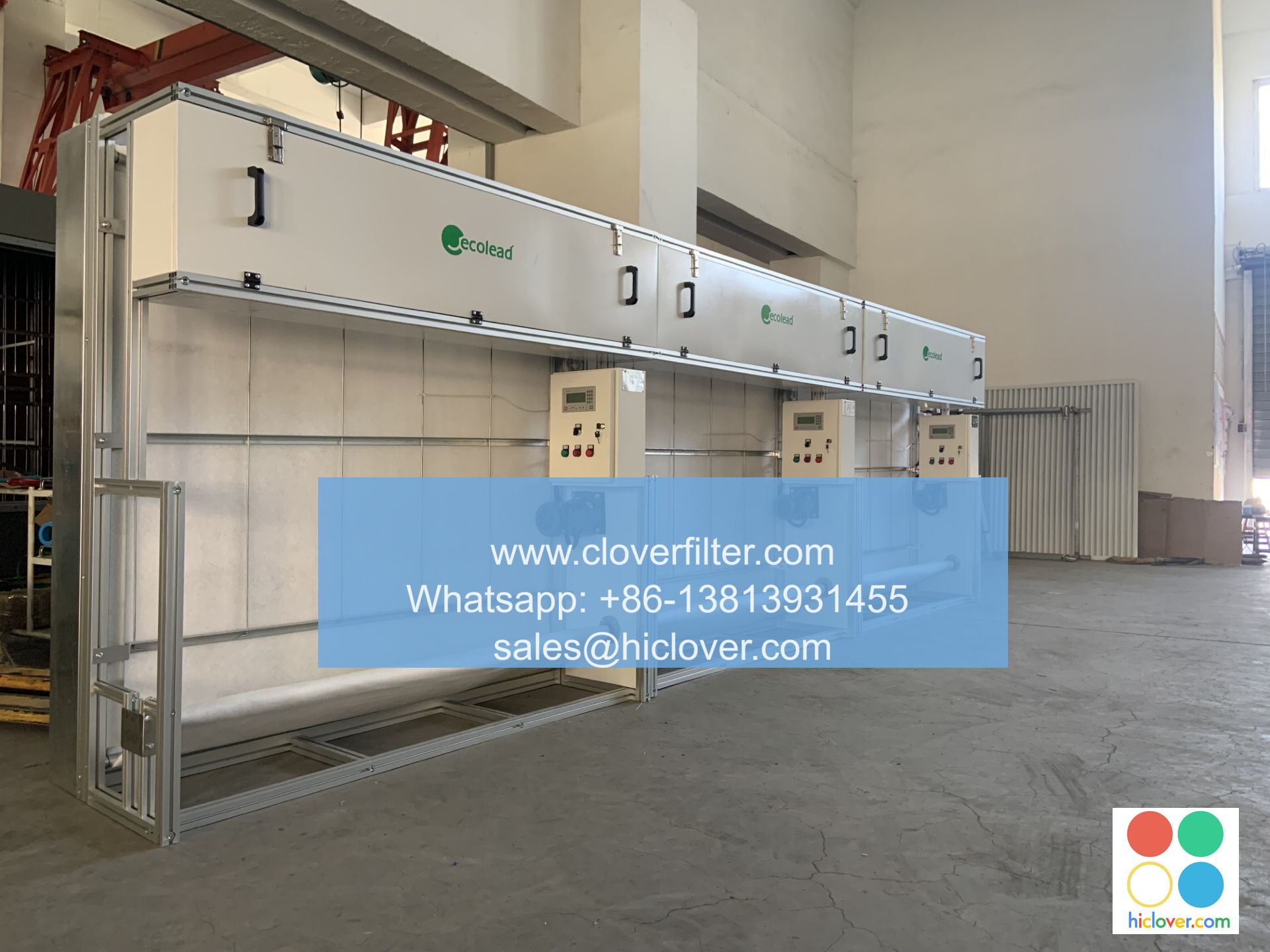
The Air Filter Association (AFA) has been at the forefront of promoting clean air and indoor air quality (IAQ) for decades. As a leading advocate for air filtration systems and air purification technologies, the AFA has been actively involved in shaping air quality policy and regulations that impact various application areas, including commercial buildings, industrial facilities, and residential homes.
##
Key Principles of the AFA’s Stance on Air Quality Policy
The AFA’s stance on air quality policy is guided by several key principles, including:
* Improved indoor air quality through the use of high-efficiency air filters and air purification systems
* Energy efficiency and sustainability in the design and operation of heating, ventilation, and air conditioning (HVAC) systems
* Cost-effective solutions that balance the need for clean air with the need for economic viability
* Public education and awareness about the importance of air quality and the role of air filtration in maintaining healthy indoor environments
##
Application Areas and Industries
The AFA’s stance on air quality policy has implications for various application areas and industries, including:
* Commercial buildings: Office buildings, schools, hospitals, and other public facilities that require high-quality air filtration systems to maintain healthy indoor environments
* Industrial facilities: Manufacturing plants, chemical processing facilities, and other industrial settings that require specialized air filtration systems to control airborne contaminants
* Residential homes: Single-family homes, apartments, and multi-unit dwellings that require effective air filtration systems to maintain healthy indoor air quality
##
Technologies and Solutions
The AFA promotes the use of various technologies and solutions to improve air quality, including:
* High-efficiency air filters with high MERV ratings
* Air purification systems that use UV light, ionization, or other technologies to remove airborne contaminants
* Smart ventilation systems that optimize air exchange rates and energy efficiency
* Green building materials and sustainable design principles that minimize indoor air pollution
##

Conclusion
The Air Filter Association’s stance on air quality policy is guided by a commitment to improved indoor air quality, energy efficiency, and cost-effective solutions. By promoting the use of high-efficiency air filters, air purification systems, and smart ventilation systems, the AFA aims to create healthy indoor environments in various application areas and industries. As a leading advocate for air filtration and air quality, the AFA will continue to shape air quality policy and regulations that promote clean air and sustainable practices. It seems like you’re ready to start a conversation or ask a question, but you haven’t provided any details yet. What’s on your mind? Would you like to discuss a specific topic, ask for advice, or perhaps explore a particular subject? I’m here to help with any questions or topics you’d like to discuss!
