Air Filter Programs for Museums and Art Galleries: A Review of Best Practices
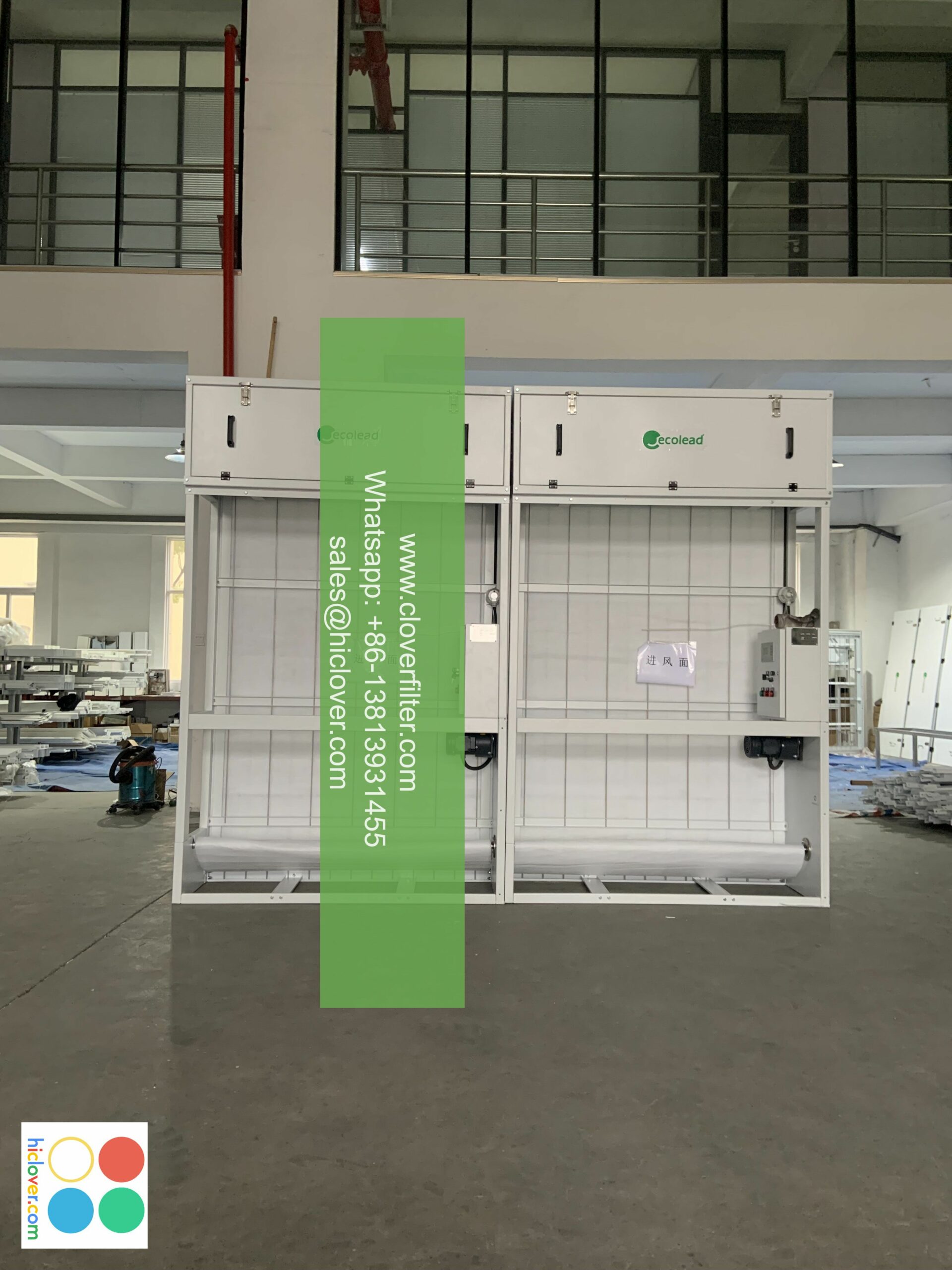
Museums and art galleries are institutions that house valuable and sensitive artifacts, artworks, and historical objects. To preserve these items for future generations, it is essential to maintain a controlled environment that is free from pollutants, dust, and other airborne contaminants. Air filter programs play a critical role in achieving this goal, and in this article, we will review the best practices for implementing and maintaining effective air filtration systems in museums and art galleries.
##
Introduction to Air Filter Programs
Air filter programs are designed to remove airborne particles, gases, and other contaminants from the air, creating a clean and stable environment that is essential for preserving sensitive artifacts and artworks. These programs typically involve the use of high-efficiency particulate air (HEPA) filters, activated carbon filters, and other types of air purification systems. By removing pollutants and contaminants from the air, air filter programs help to prevent damage to artifacts, reduce the risk of mold and mildew growth, and create a healthy indoor air quality for visitors and staff.
##
Key Considerations for Air Filter Programs
When developing an air filter program for a museum or art gallery, several key factors must be considered, including:
* Filter selection: Choosing the right type of filter for the specific needs of the institution, taking into account factors such as airflow rates, filter efficiency, and pressure drop.
* System design: Designing an air filtration system that is tailored to the specific needs of the institution, including the layout of the building, airflow patterns, and temperature and humidity control.
* Maintenance and monitoring: Regularly maintaining and monitoring the air filtration system to ensure that it is operating effectively and efficiently, including filter replacement, system cleaning, and performance testing.
* Integration with other systems: Integrating the air filtration system with other building systems, such as heating, ventilation, and air conditioning (HVAC) systems, lighting systems, and security systems.
##
Application Areas for Air Filter Programs
Air filter programs have a wide range of applications in museums and art galleries, including:
* Artifact storage and display areas: Providing a clean and stable environment for sensitive artifacts and artworks.
* Conservation and restoration areas: Creating a dust-free and contaminant-free environment for conservators and restorers to work on sensitive artifacts.
* Exhibition spaces: Maintaining a healthy indoor air quality for visitors and staff, while also protecting artifacts and artworks from damage.
* Library and archive areas: Preserving sensitive books, documents, and other materials by maintaining a clean and stable environment.
##

Best Practices for Air Filter Programs
To ensure the effectiveness and efficiency of air filter programs, museums and art galleries should follow best practices, including:
* Regular maintenance and monitoring: Regularly maintaining and monitoring the air filtration system to ensure that it is operating effectively and efficiently.
* Filter replacement: Replacing filters regularly to ensure that they continue to operate at peak efficiency.
* System testing and evaluation: Regularly testing and evaluating the air filtration system to ensure that it is meeting the needs of the institution.
* Staff training and education: Providing staff with training and education on the importance of air filtration and the proper maintenance and operation of the air filtration system.
##
Conclusion
In conclusion, air filter programs are a critical component of any museum or art gallery’s preservation and conservation efforts. By following best practices and considering key factors such as filter selection, system design, and maintenance and monitoring, institutions can create a clean and stable environment that protects sensitive artifacts and artworks, while also maintaining a healthy indoor air quality for visitors and staff. By investing in an effective air filter program, museums and art galleries can help to preserve our cultural heritage for future generations. It looks like you forgot to include the prompt. Could you please provide more details or clarify what you would like to talk about or ask? I’m here to help with any questions or topics you have in mind.
