The Future of Data Center Cleanrooms: Advances in Automatic Roll Air Filter Technology
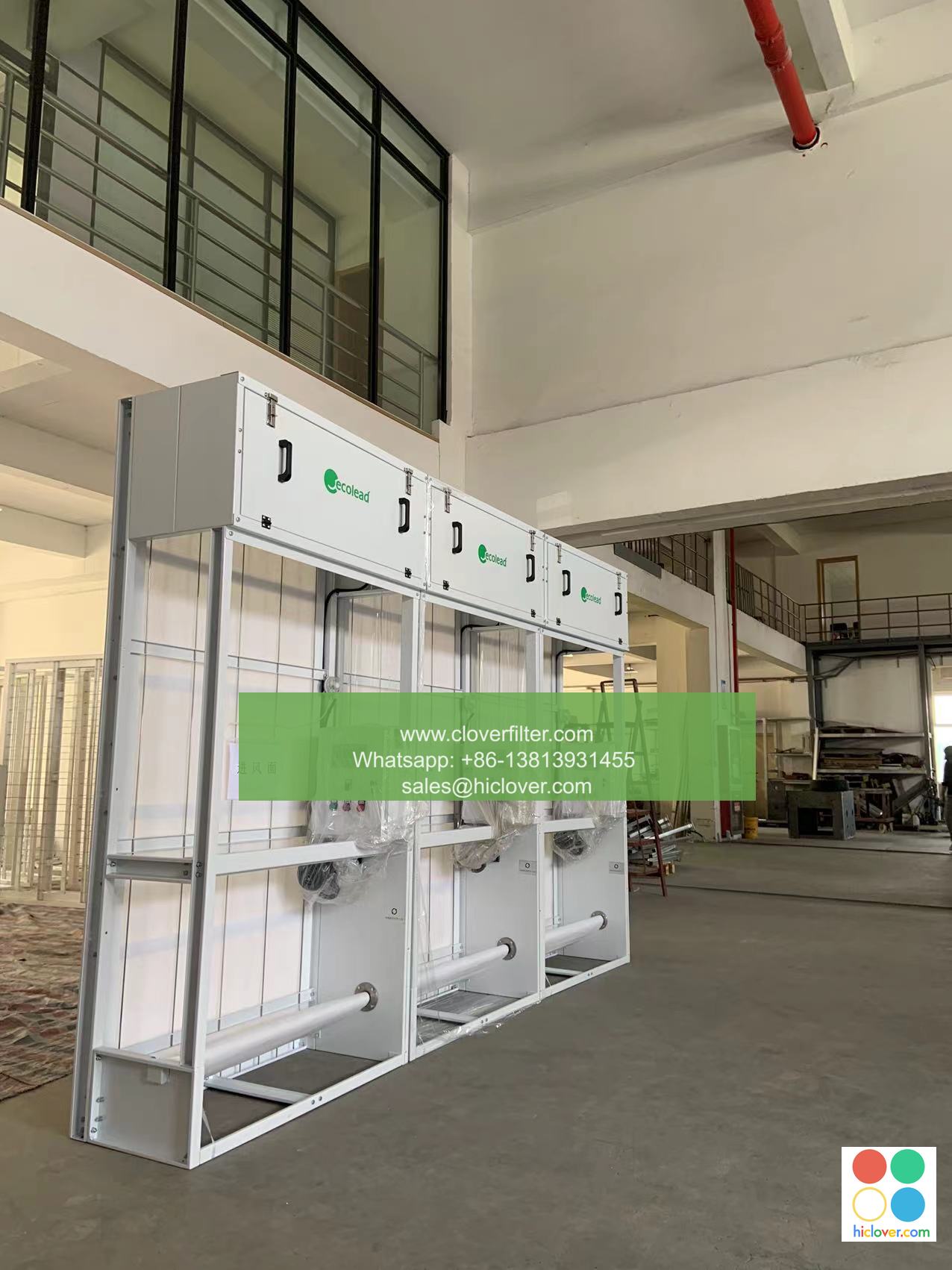
Data centers are the backbone of modern computing, providing the infrastructure for storing, processing, and distributing vast amounts of data. As the demand for data storage and processing continues to grow, data centers are under increasing pressure to operate efficiently, reliably, and sustainably. One critical aspect of data center operations is the maintenance of a clean and controlled environment, which is where cleanrooms come in. Cleanrooms are specialized areas within data centers that are designed to minimize dust, humidity, and other environmental factors that can damage sensitive equipment. In this article, we will explore the future of data center cleanrooms, with a focus on advances in automatic roll air filter technology.
Traditional data center cleanrooms rely on manual filter replacement, which can be time-consuming, labor-intensive, and prone to human error. However, with the advent of automatic roll air filter technology, data centers can now maintain a clean and controlled environment with greater ease and efficiency. Automatic roll air filters use a continuous roll of filter media that is automatically advanced as the filter becomes dirty, eliminating the need for manual replacement. This technology offers several benefits, including improved air quality, reduced labor costs, and increased energy efficiency.

One of the key advantages of automatic roll air filter technology is its ability to maintain consistent air quality. Traditional filters can become clogged with dust and debris over time, reducing their effectiveness and allowing particles to enter the cleanroom. Automatic roll air filters, on the other hand, ensure that the air is always filtered through a clean and fresh section of media, maintaining optimal air quality and protecting sensitive equipment from damage. Additionally, automatic roll air filters can be designed to detect when the filter media needs to be replaced, sending alerts to maintenance staff and ensuring that the cleanroom remains operational.
Another significant benefit of automatic roll air filter technology is its potential to reduce labor costs. Manual filter replacement can be a time-consuming and labor-intensive process, requiring maintenance staff to shut down equipment, replace filters, and restart systems. Automatic roll air filters eliminate the need for these manual interventions, freeing up staff to focus on other critical tasks and reducing the risk of human error. Furthermore, automatic roll air filters can be integrated with building management systems (BMS) and data center infrastructure management (DCIM) software, providing real-time monitoring and control of air quality and filter performance.
In addition to improving air quality and reducing labor costs, automatic roll air filter technology can also contribute to increased energy efficiency. Traditional filters can become clogged and restrictive over time, increasing the energy required to push air through the filter and cool the data center. Automatic roll air filters, on the other hand, ensure that the air is always filtered through a clean and fresh section of media, reducing the energy required for airflow and cooling. This can lead to significant energy savings, particularly in large data centers where cooling can account for up to 40% of total energy consumption.
As data centers continue to evolve and grow, the importance of cleanrooms and automatic roll air filter technology will only continue to increase. With the rise of edge computing, artificial intelligence, and the Internet of Things (IoT), data centers will need to be able to process and store vast amounts of data in real-time, while maintaining the highest levels of reliability and efficiency. Automatic roll air filter technology will play a critical role in enabling this, providing a clean and controlled environment for sensitive equipment and ensuring optimal air quality and energy efficiency.
In conclusion, the future of data center cleanrooms is closely tied to advances in automatic roll air filter technology. By providing a clean and controlled environment, reducing labor costs, and increasing energy efficiency, automatic roll air filters can help data centers operate more efficiently, reliably, and sustainably. As the demand for data storage and processing continues to grow, the importance of cleanrooms and automatic roll air filter technology will only continue to increase, enabling data centers to meet the challenges of the digital age.
Frequently Asked Questions (FAQs)
Q: What is an automatic roll air filter?
A: An automatic roll air filter is a type of air filter that uses a continuous roll of filter media that is automatically advanced as the filter becomes dirty, eliminating the need for manual replacement.
Q: What are the benefits of automatic roll air filter technology?
A: The benefits of automatic roll air filter technology include improved air quality, reduced labor costs, and increased energy efficiency.
Q: How do automatic roll air filters contribute to energy efficiency?
A: Automatic roll air filters contribute to energy efficiency by ensuring that the air is always filtered through a clean and fresh section of media, reducing the energy required for airflow and cooling.
Q: Can automatic roll air filters be integrated with building management systems (BMS) and data center infrastructure management (DCIM) software?
A: Yes, automatic roll air filters can be integrated with BMS and DCIM software, providing real-time monitoring and control of air quality and filter performance.
Q: What is the future of data center cleanrooms and automatic roll air filter technology?
A: The future of data center cleanrooms and automatic roll air filter technology is closely tied to the growing demand for data storage and processing, and is expected to play a critical role in enabling data centers to operate more efficiently, reliably, and sustainably.
