The Science Behind Air Filter Groups: How They Remove Pollutants
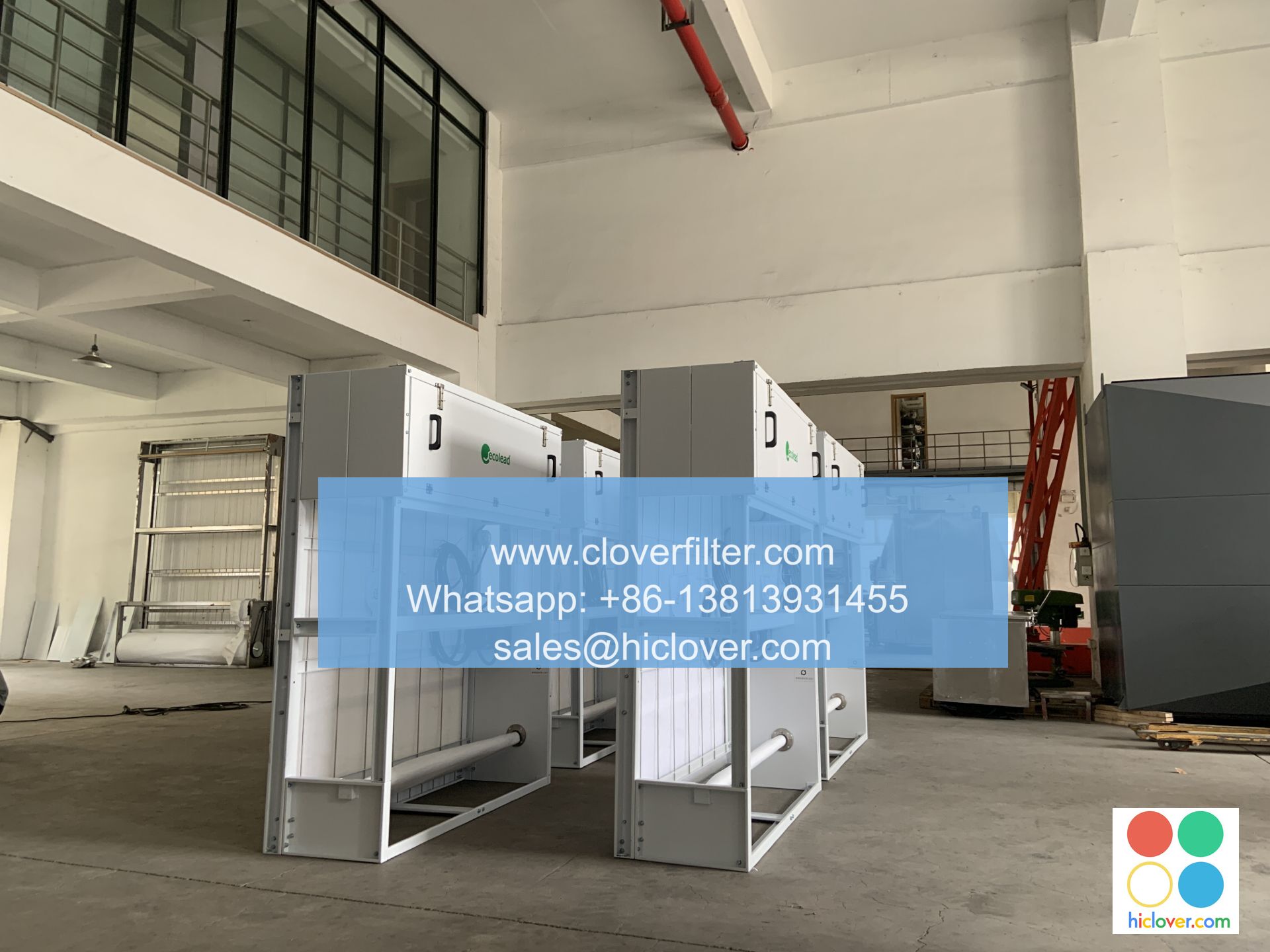
Air filter groups play a crucial role in maintaining indoor air quality by removing pollutants and particulate matter from the air. These filters are designed to capture a wide range of contaminants, including dust, pollen, smoke, and other airborne pollutants. In this article, we will delve into the science behind air filter groups, exploring how they work, the different types of filters available, and their various application areas.
How Air Filters Work

Air filters work by using a combination of physical and chemical processes to capture pollutants. The most common type of air filter is the mechanical filter, which uses a physical barrier to trap particles. These filters typically consist of a fiberglass or polyester mesh that captures particles as they pass through. The size of the mesh determines the Micron Rating of the filter, with smaller mesh sizes capturing smaller particles.
In addition to mechanical filters, there are also electrostatic filters that use an electrostatic charge to attract and trap particles. These filters are often used in HEPA (High Efficiency Particulate Air) filters, which are designed to capture 99.97% of particles as small as 0.3 microns.
Types of Air Filters
There are several types of air filters available, each with its own unique characteristics and application areas. Some of the most common types of air filters include:
- Activated Carbon Filters: These filters use activated carbon to capture gases and odors, making them ideal for use in kitchen ventilation systems and air purifiers.
- Pleated Filters: These filters use a pleated design to increase the surface area, allowing for more efficient capture of particles. They are often used in HVAC systems and air conditioning units.
- UV Filters: These filters use ultraviolet light to kill bacteria and other microorganisms, making them ideal for use in hospitals and healthcare facilities.
- Residential: Air filters are used in home HVAC systems to improve indoor air quality and reduce the risk of respiratory problems.
- Commercial: Air filters are used in office buildings and shopping centers to improve indoor air quality and reduce the risk of sick building syndrome.
- Industrial: Air filters are used in manufacturing facilities and warehouses to remove pollutants and particulate matter from the air.
- Healthcare: Air filters are used in hospitals and healthcare facilities to remove bacteria and other microorganisms from the air, reducing the risk of infection.
- Improved Indoor Air Quality: Air filters remove pollutants and particulate matter from the air, improving indoor air quality and reducing the risk of respiratory problems.
- Increased Energy Efficiency: Air filters can help reduce the energy consumption of HVAC systems by reducing the amount of dust and debris that accumulates on coils and fans.
- Extended Equipment Life: Air filters can help extend the life of HVAC equipment by reducing the amount of wear and tear caused by dust and debris.

Application Areas
Air filter groups have a wide range of application areas, including:
Benefits of Air Filters
The use of air filter groups has several benefits, including:
In conclusion, air filter groups play a crucial role in maintaining indoor air quality by removing pollutants and particulate matter from the air. By understanding the science behind air filters and the different types of filters available, we can make informed decisions about which filters to use in different application areas. Whether you’re looking to improve indoor air quality in your home, office, or industrial facility, air filter groups are an essential tool in the fight against air pollution.
It seems like you forgot to include the prompt. Please go ahead and provide the prompt, and I’ll be happy to help!
