Air Filter Installation for Large Commercial Spaces: A Tutorial
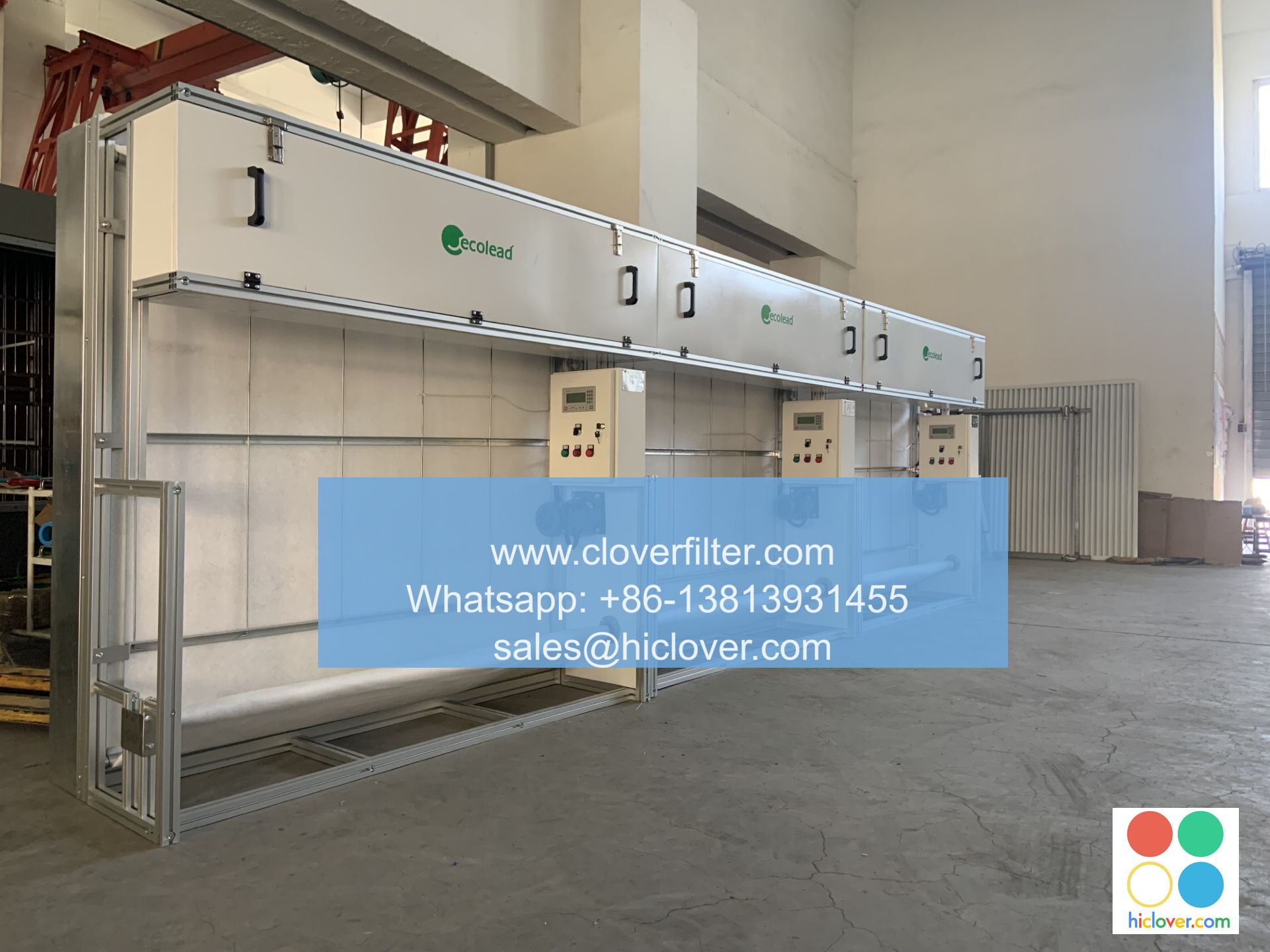
Proper air filtration is crucial for maintaining a healthy and comfortable indoor environment in large commercial spaces. A well-designed and installed air filtration system can help remove airborne pollutants, reduce energy costs, and improve overall indoor air quality (IAQ). In this article, we will provide a comprehensive tutorial on air filter installation for large commercial spaces, highlighting various application areas and key considerations.
Introduction to Air Filtration Systems
Air filtration systems are designed to capture airborne particles, gases, and other contaminants that can affect IAQ. These systems typically consist of a combination of filters, fans, and ductwork. The type and complexity of the system depend on the specific needs of the commercial space, including the size, occupancy, and intended use.
Types of Air Filters
There are several types of air filters available for commercial use, including:
* HEPA (High Efficiency Particulate Air) filters, which capture 99.97% of particles as small as 0.3 microns
* Activated carbon filters, which adsorb gases, odors, and chemicals
* Pleated filters, which provide high surface area for particle capture
* ULPA (Ultra Low Penetration Air) filters, which capture 99.999% of particles as small as 0.12 microns
Application Areas for Air Filter Installation
Air filter installation is critical in various commercial spaces, including:
* Office buildings, where IAQ can affect employee health and productivity
* Hospitals and healthcare facilities, where clean air is essential for patient care and safety
* Indoor swimming pools, where chlorine and other chemicals can affect IAQ
* Food processing and manufacturing facilities, where airborne contaminants can affect product quality and safety
* Shopping malls and retail stores, where IAQ can impact customer comfort and satisfaction

Key Considerations for Air Filter Installation
When installing air filters in large commercial spaces, several key considerations must be taken into account, including:
* Filter size and type, which depend on the specific application and air flow requirements
* Air flow rate and velocity, which affect filter performance and pressure drop
* Filter maintenance and replacement, which are critical for ensuring optimal system performance
* System integration and controls, which must be designed to optimize filter performance and energy efficiency
Step-by-Step Installation Guide
Here is a step-by-step guide for installing air filters in large commercial spaces:
1. Assess the air filtration needs of the commercial space, including the type and quantity of filters required
2. Select the correct filter type and size based on the specific application and air flow requirements
3. Install the filter housing and frame, ensuring proper sealing and support
4. Install the filter media, following the manufacturer’s instructions for installation and maintenance
5. Connect the filter to the HVAC system, ensuring proper integration and controls
6. Test and commission the system, verifying optimal filter performance and system operation
Conclusion
Air filter installation is a critical aspect of maintaining a healthy and comfortable indoor environment in large commercial spaces. By following the steps outlined in this tutorial and considering the key factors and application areas highlighted, commercial space owners and managers can ensure optimal air filtration and improved IAQ. Remember to always consult with a qualified HVAC professional for specific installation and maintenance requirements. It seems like you’re ready to start a conversation or ask a question, but you haven’t provided any details yet. What’s on your mind? Would you like to discuss a specific topic, ask for advice, or perhaps explore a particular subject? I’m here to help with any questions or topics you’d like to discuss!
