Air Filter Analysis for Data Centers and IT Facilities
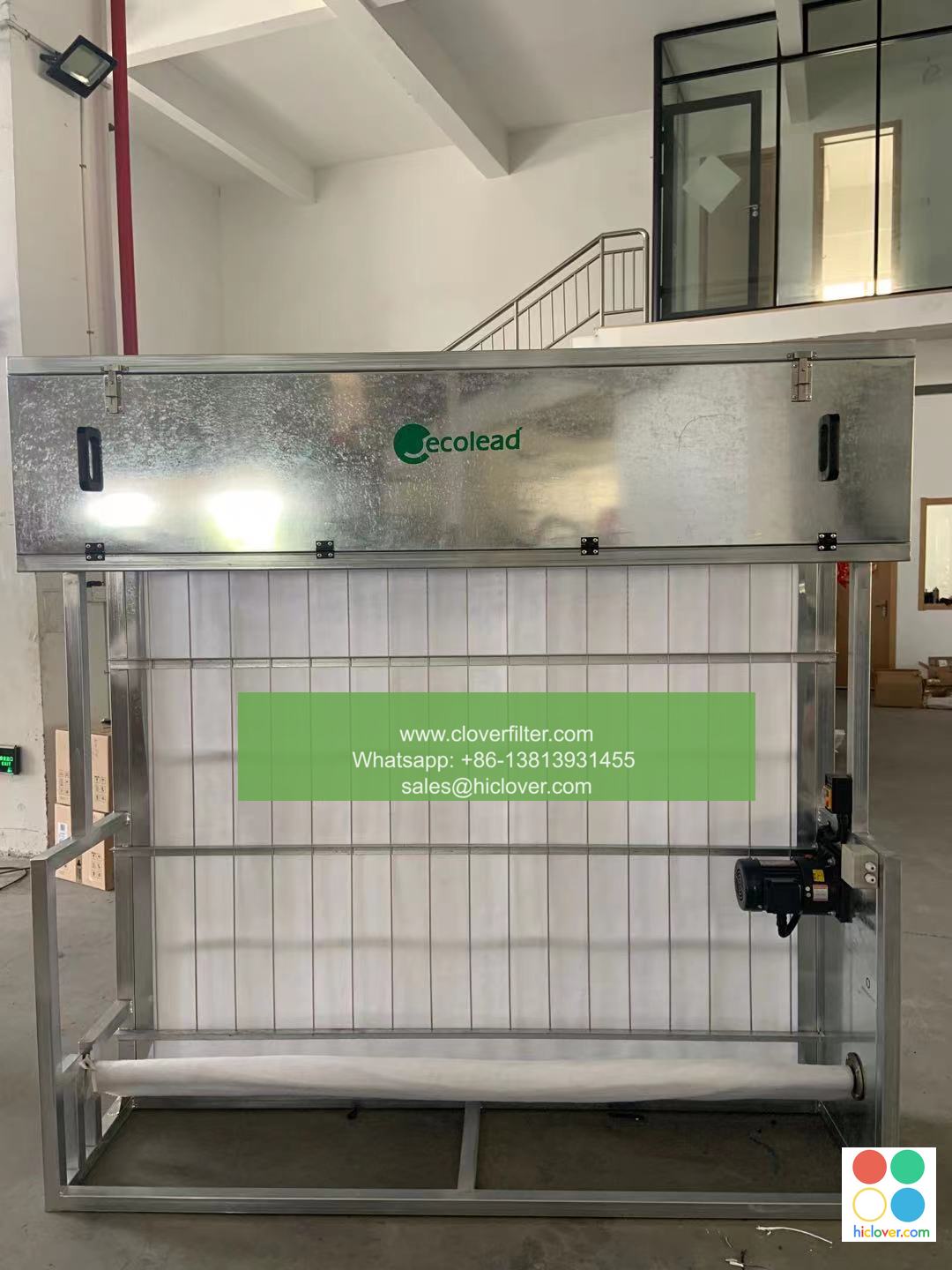
As the demand for data storage and processing continues to grow, data centers and IT facilities are becoming increasingly critical infrastructure for businesses and organizations. To ensure the reliability and efficiency of these facilities, it is essential to maintain a clean and controlled environment, with a key factor being the quality of the air filtration system. In this article, we will discuss the importance of air filter analysis for data centers and IT facilities, highlighting various application areas and best practices for optimal performance.
##
Introduction to Air Filter Analysis
Air filter analysis is the process of evaluating the performance and effectiveness of air filtration systems in removing airborne contaminants, such as particulate matter (PM), gases, and microorganisms. In data centers and IT facilities, air filter analysis is crucial to prevent equipment damage, data loss, and downtime caused by poor air quality. By conducting regular air filter analysis, facility managers can ensure that their air filtration systems are operating at optimal levels, providing a reliable and efficient environment for their IT equipment.
##
Application Areas for Air Filter Analysis
Air filter analysis is essential in various areas of data centers and IT facilities, including:
* Server rooms: where sensitive equipment is housed, and high-temperature and humidity control is critical.
* Data storage areas: where disk drives and tapes are stored, and dust and contamination can cause data loss.
* Telecommunication rooms: where networking equipment is located, and signal integrity is crucial.
* Electrical rooms: where power distribution and backup systems are housed, and air quality can impact equipment reliability.
##
Benefits of Air Filter Analysis
Regular air filter analysis offers several benefits, including:
* Improved equipment reliability: by reducing the risk of equipment damage and failure.
* Increased energy efficiency: by optimizing air filtration system performance and reducing energy consumption.
* Enhanced data security: by preventing data loss and corruption caused by poor air quality.
* Extended equipment lifespan: by reducing wear and tear on equipment caused by contaminants and pollutants.
##

Best Practices for Air Filter Analysis
To ensure effective air filter analysis, the following best practices should be implemented:
* Regular filter maintenance: schedule regular filter replacements and cleaning to prevent filter degradation.
* Monitoring of air quality parameters: track temperature, humidity, and particulate matter levels to identify potential issues.
* Use of high-efficiency filters: install HEPA or ULPA filters to capture 99.97% or more of airborne particles.
* Filter testing and validation: conduct regular filter testing to ensure compliance with industry standards and regulatory requirements.
##
Conclusion
Air filter analysis is a critical aspect of maintaining a reliable and efficient data center or IT facility. By understanding the importance of air filter analysis and implementing best practices, facility managers can ensure optimal performance, reduce downtime, and prevent equipment damage. As the demand for data storage and processing continues to grow, the importance of air filter analysis will only continue to increase, making it essential for data centers and IT facilities to prioritize air quality and filter maintenance to remain competitive and reliable. You haven’t asked a question or provided any context for me to respond to. Please provide more information or ask a question so I can assist you.
