The Benefits of Air Filters with Antimicrobial Properties
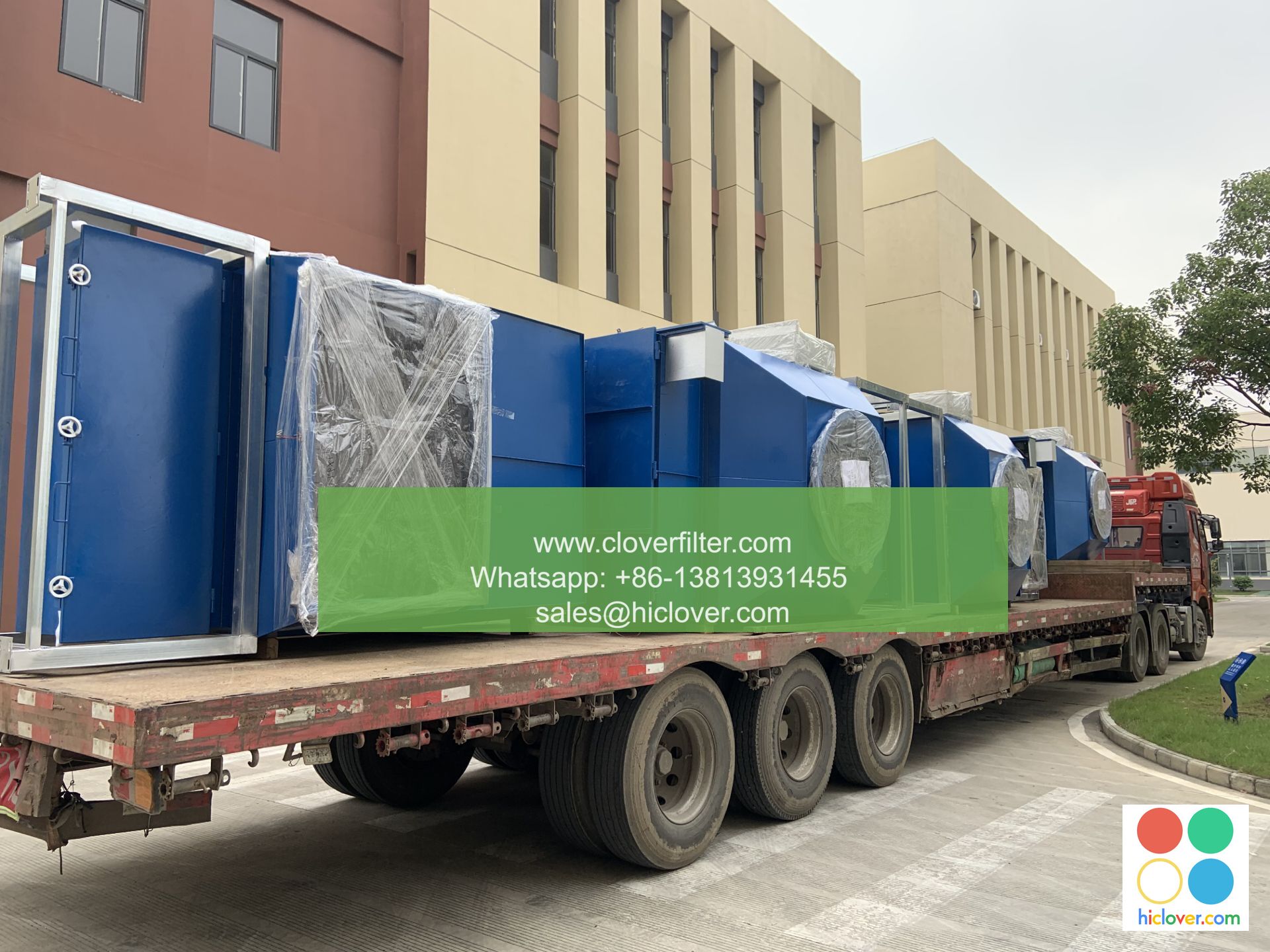
Air filters with antimicrobial properties have become increasingly popular in recent years, and for good reason. These filters not only capture dust, pollen, and other airborne particles, but also inhibit the growth of microorganisms such as bacteria, viruses, and mold. In this article, we will explore the benefits of air filters with antimicrobial properties and highlight various application areas where they can be particularly useful.
Reducing the Risk of Airborne Infections
One of the most significant benefits of air filters with antimicrobial properties is their ability to reduce the risk of airborne infections. By capturing and killing microorganisms, these filters can help prevent the spread of illnesses such as influenza, tuberculosis, and Legionnaires’ disease. This is especially important in healthcare settings, where patients may have weakened immune systems and be more susceptible to infection.
Improving Indoor Air Quality
Air filters with antimicrobial properties can also improve indoor air quality by reducing the levels of volatile organic compounds (VOCs) and other airborne pollutants. This can be especially beneficial in areas with high levels of air pollution, such as cities or industrial areas. By removing these pollutants from the air, antimicrobial air filters can help improve respiratory health and reduce the risk of chronic diseases such as asthma and lung cancer.
Application Areas
Air filters with antimicrobial properties have a wide range of application areas, including:
* Healthcare facilities: Hospitals, clinics, and nursing homes can benefit from antimicrobial air filters to reduce the risk of airborne infections and improve patient outcomes.
* Commercial buildings: Offices, schools, and retail stores can use antimicrobial air filters to improve indoor air quality and reduce the risk of illness among occupants.
* Industrial settings: Factories, warehouses, and other industrial facilities can benefit from antimicrobial air filters to reduce the risk of airborne infections and improve worker health.
* Residential homes: Homeowners can use antimicrobial air filters to improve indoor air quality and reduce the risk of illness among family members.
* Transportation systems: Air filters with antimicrobial properties can be used in cars, buses, and other vehicles to reduce the risk of airborne infections and improve passenger health.

Key Technologies and Features
Some key technologies and features of air filters with antimicrobial properties include:
* Nanofiltration: This technology uses tiny pores to capture microorganisms and other airborne particles.
* UV light: Ultraviolet light can be used to kill microorganisms and other pathogens.
* Antimicrobial coatings: These coatings can be applied to air filters to inhibit the growth of microorganisms.
* HEPA filtration: High-efficiency particulate air (HEPA) filters can capture 99.97% of particles as small as 0.3 microns, including microorganisms.
Conclusion
In conclusion, air filters with antimicrobial properties offer a range of benefits, from reducing the risk of airborne infections to improving indoor air quality. With their wide range of application areas and key technologies, these filters can be used in a variety of settings to improve public health and reduce the risk of illness. Whether you’re a healthcare professional, a business owner, or a homeowner, considering the use of air filters with antimicrobial properties can be a smart decision for improving the health and well-being of yourself and those around you. It seems like you’re ready to start a conversation or ask a question but haven’t provided any details yet. What’s on your mind? Do you need information on a specific topic, help with a problem, or just want to chat? I’m here to assist you!
