The Importance of Air Filter Integrations in Reducing Airborne Pollutants
In our increasingly industrial and urbanized world, airborne pollutants have become a significant concern affecting health and the environment. The integration of effective air filter systems plays a crucial role in mitigating these pollutants. This article explores the importance of air filter integrations, highlighting various application areas and their impact on improving air quality.
Understanding Airborne Pollutants

Airborne pollutants refer to substances in the air that can be harmful to human health and the environment. These include particulate matter (PM), volatile organic compounds (VOCs), allergens, and biological pollutants. They originate from various sources, including industrial emissions, vehicular exhaust, and even natural phenomena. Reducing these pollutants is essential for promoting better air quality and public health.
Key Applications of Air Filter Integrations
1. Residential Air Quality
In residential settings, air filter integrations in heating, ventilation, and air conditioning (HVAC) systems are critical. High-efficiency particulate air (HEPA) filters can trap up to 99.97% of particles as small as 0.3 microns, effectively reducing allergens like dust, pollen, and pet dander. Incorporating smart air filter technologies helps homeowners monitor air quality and filter performance, ensuring a healthier indoor environment.
2. Commercial Buildings
For commercial buildings, air quality directly impacts employee productivity and satisfaction. Upgrading to advanced air filtration systems, such as electrostatic filters and activated carbon filters, can significantly lower indoor air pollutants. This integration is particularly beneficial in urban areas with high levels of outdoor pollution, where indoor air can become contaminated through ventilation.

3. Healthcare Facilities
In healthcare settings, maintaining pristine air quality is paramount. Hospitals and clinics require specialized air filtration systems to control airborne pathogens and prevent the spread of infectious diseases. Integration of high-efficiency filtration systems, along with UV-C light technologies, can eliminate microorganisms and ensure safer environments for patients and staff.
4. Industrial and Manufacturing Processes
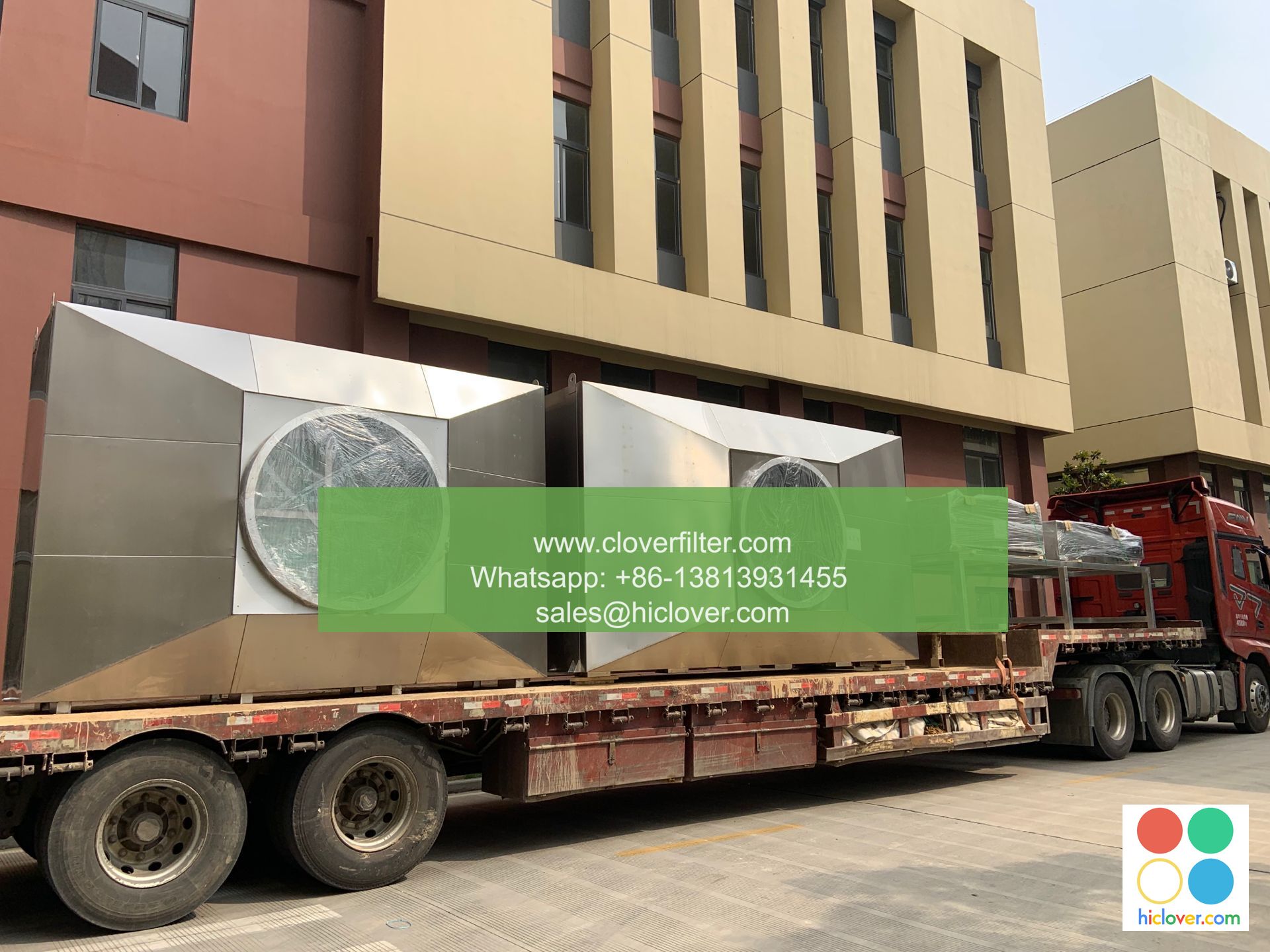
Industrial settings emit significant levels of pollutants, making effective air filtration systems essential. Air filter integrations, such as baghouse filters and scrubbers, capture harmful particles and chemicals before they can enter the atmosphere. This not only complies with environmental regulations but also improves the health and safety conditions for workers operating in these demanding environments.
5. Transportation Systems
As urban areas expand, public transportation must adapt to air quality challenges. Integrating air filters into buses, trains, and subways is vital to reduce the concentration of pollutants passengers may encounter. Advanced air purification systems can provide fresh air, filtering out harmful particulates, thereby enhancing commuter health and comfort.
Technology and Innovation in Air Filtration
With advancements in technology, air filter integrations have become more efficient and effective. Innovations such as IoT (Internet of Things) connectivity allow for real-time monitoring of air quality and filter performance. Smart filters that automatically adjust to changes in air quality can improve efficiency and prolong the lifespan of filtration systems, leading to better sustainability and cost savings.
Conclusion
The importance of air filter integrations in reducing airborne pollutants cannot be overstated. Whether in residential, commercial, healthcare, industrial, or transportation applications, effective air filtration plays a pivotal role in enhancing air quality and promoting public health. As we strive for a cleaner environment and improved living conditions, investing in advanced air filtration systems is not just beneficial; it is essential for a sustainable future.
It seems like your message was incomplete. Could you please provide more details or specify the topic or context you’re interested in? I’m here to help!
