Air Filter Testing Methods: How to Evaluate Filter Effectiveness
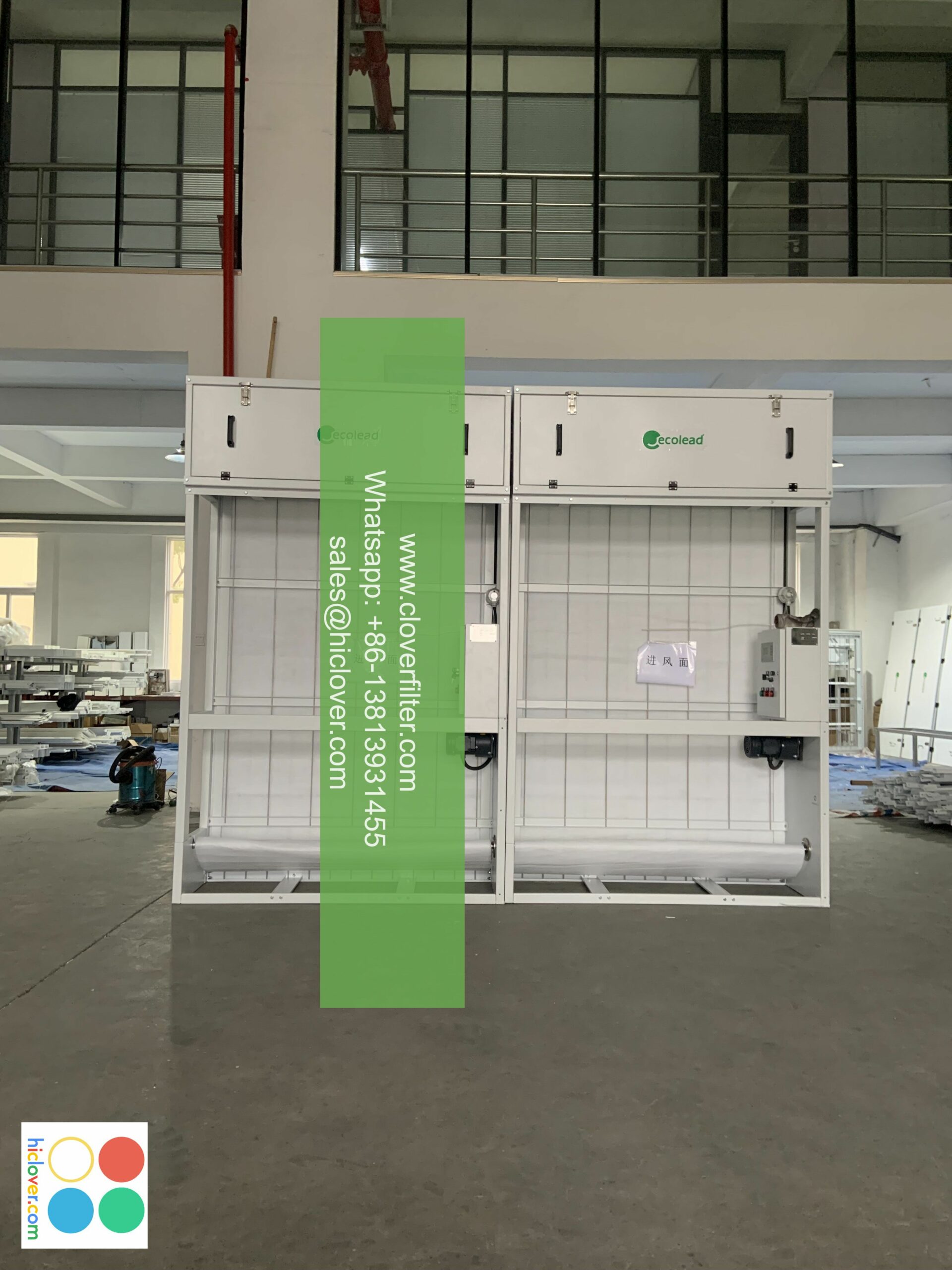
Understanding the Importance of Air Filter Testing

In today’s world, air quality has become a critical concern for both health and environmental conditions. Air filters play a key role in improving indoor air quality by capturing various pollutants such as dust, pollen, smoke, and industrial emissions. Therefore, understanding the effectiveness of these filters is vital for ensuring they perform as intended. This article outlines several air filter testing methods to evaluate their effectiveness across different applications.
Common Air Filter Testing Methods
Various methods exist to test the performance of air filters, each tailored to different use cases. Below are some of the most widely used testing methods:
1. Particle Size Distribution Testing
This method measures a filter’s efficiency based on its ability to capture particles of varying sizes. Utilizing specialized equipment, researchers can assess how effectively filters trap airborne particles ranging from large dust grains to tiny allergens.
2. Dust Spot Efficiency Testing
Dust spot efficiency is a common testing metric that evaluates the filter’s performance in real-world scenarios. In this test, a known quantity of dust is passed through the filter, and the amount of dust that penetrates is measured. This allows us to ascertain the filter’s efficiency in actual environments, crucial for residential and commercial applications.
3. Airflow Resistance Testing
Airflow resistance testing measures the pressure drop across a filter to ensure adequate airflow while maintaining efficiency. This test is vital for industrial settings, where high airflow rates are often necessary. Filters with excessive resistance can strain HVAC systems, leading to increased energy consumption.
4. Life Cycle Testing
Life cycle testing evaluates the duration for which a filter can retain its efficiency under continuous use. This is key for both cost-effectiveness and sustainability, especially in environments with high pollution levels.
Application Areas of Air Filter Testing
Air filter testing is applicable in various sectors, each with unique requirements:
1. Residential Air Quality
In homes, air filter testing ensures that HVAC systems effectively remove allergens and pollutants. High-performance filters can significantly reduce respiratory problems.
2. Commercial Buildings
For offices, hospitals, and schools, air quality is essential. Filters are tested for their ability to capture pathogens and pollutants to maintain a healthy environment for occupants.
3. Industrial Applications
Industries like manufacturing, pharmaceuticals, and food processing rely on strict air quality standards. Testing methods are critical for maintaining compliance with safety regulations and quality assurance protocols.
Conclusion
Evaluating air filter effectiveness is a multifaceted process that involves various testing methods tailored to specific applications. From residential air quality assurance to industrial compliance, understanding and utilizing these methods ensures that the air we breathe remains clean and safe. As air quality concerns rise globally, comprehensive testing will continue to play an essential role in the future of air filter technology.
It seems you entered “Prompt” without additional context. Could you please provide more details or clarify what you’re looking for? Whether it’s a writing prompt, a question, or something else entirely, I’m here to help!
