The Importance of Air Filtration in Schools and Educational Facilities
Understanding Air Filtration
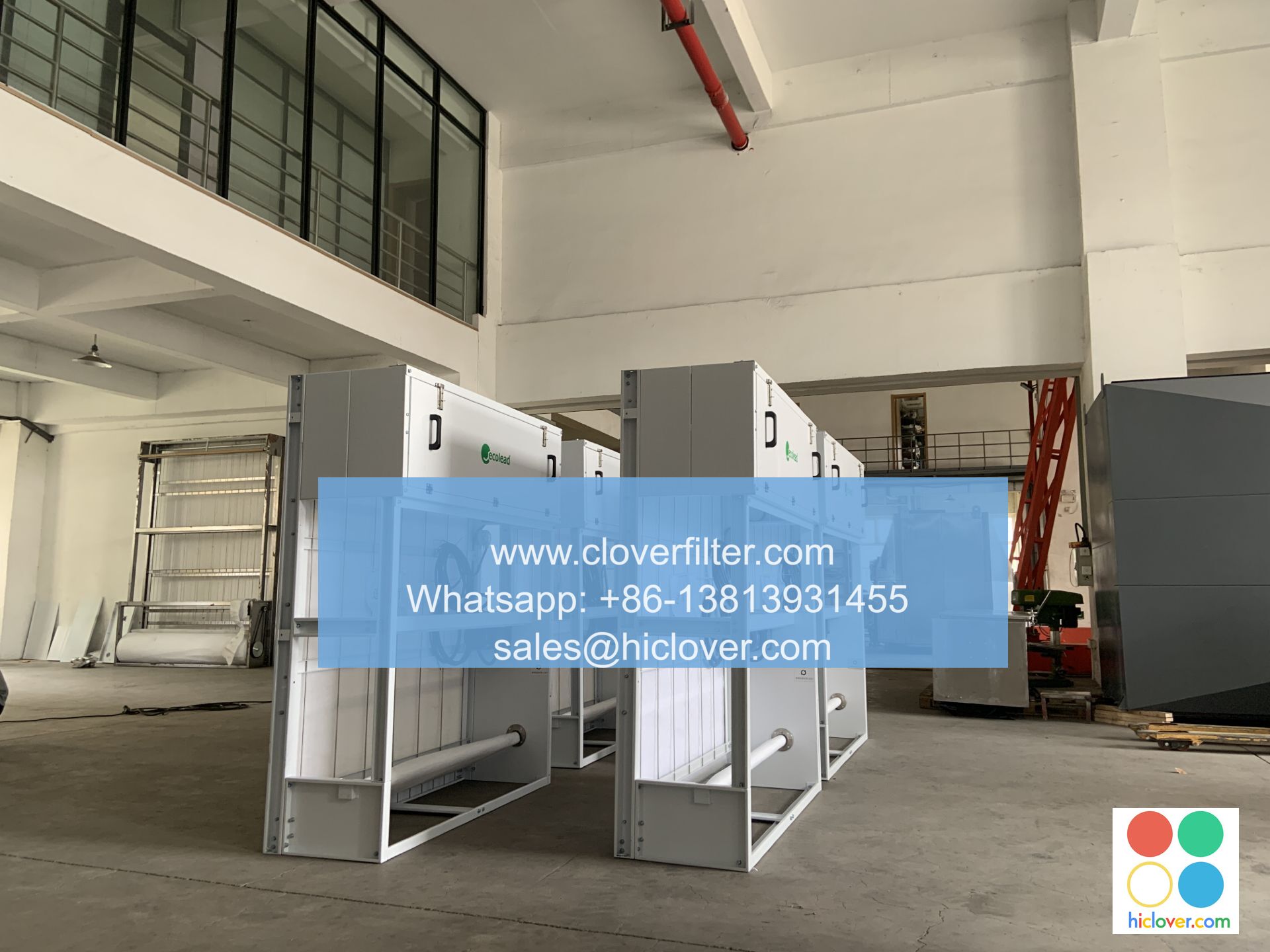
Air filtration refers to the process of removing contaminants, such as dust, pollen, mold spores, and other airborne pollutants, from the air. In schools and educational facilities, effective air filtration systems play a crucial role in ensuring a healthy learning environment for students and staff.
Why Air Quality Matters in Educational Settings
The air quality in schools directly impacts student health and academic performance. Poor air quality can lead to various health issues, including respiratory problems, allergies, and fatigue. Moreover, it can affect concentration levels, cognitive abilities, and overall student engagement.
Benefits of Air Filtration in Schools

Implementing air filtration systems in schools and educational facilities offers numerous benefits:
- Improved Health: Effective air filtration can significantly reduce the levels of allergens and pollutants, enhancing overall health and wellbeing.
- Enhanced Concentration: Better air quality helps improve focus and cognitive function, leading to increased academic performance.
- Reduced Absenteeism: Cleaner air results in fewer health-related absentee days, leading to more uninterrupted learning experiences.
- Comfortable Learning Environment: Proper air filtration contributes to a comfortable and inviting atmosphere that encourages student engagement.
Applications of Air Filtration Systems
Various air filtration technologies can be applied in educational settings to improve air quality. Some of these include:
1. HEPA Filters
High-Efficiency Particulate Air (HEPA) filters are highly efficient in trapping particles as small as 0.3 microns, making them ideal for schools dealing with fine dust, pollen, and pet dander.
2. UV-C Air Purifiers
Ultraviolet (UV) light air purifiers can destroy viruses, bacteria, and mold spores, ensuring a safer environment.
3. Ionizers
Ionization technology can reduce airborne particle levels and provide an additional layer of cleaning by charging airborne particles, causing them to settle to the ground or stick to surfaces.
4. Ventilation Systems
Well-designed ventilation systems work in tandem with air filtration to maintain fresh air circulation, ensuring that indoor air remains free of contaminants.
Conclusion
In conclusion, the importance of air filtration in schools and educational facilities cannot be overstated. As educational institutions strive to create an environment conducive to learning, prioritizing indoor air quality through efficient filtration systems is essential. By investing in proper air filtration solutions, schools can protect the health of students and staff while fostering better academic outcomes.
What would you like me to help you with? Please provide more details or a specific question!
