Air Filter Programs for Theatres and Performance Venues: A Review of Best Practices
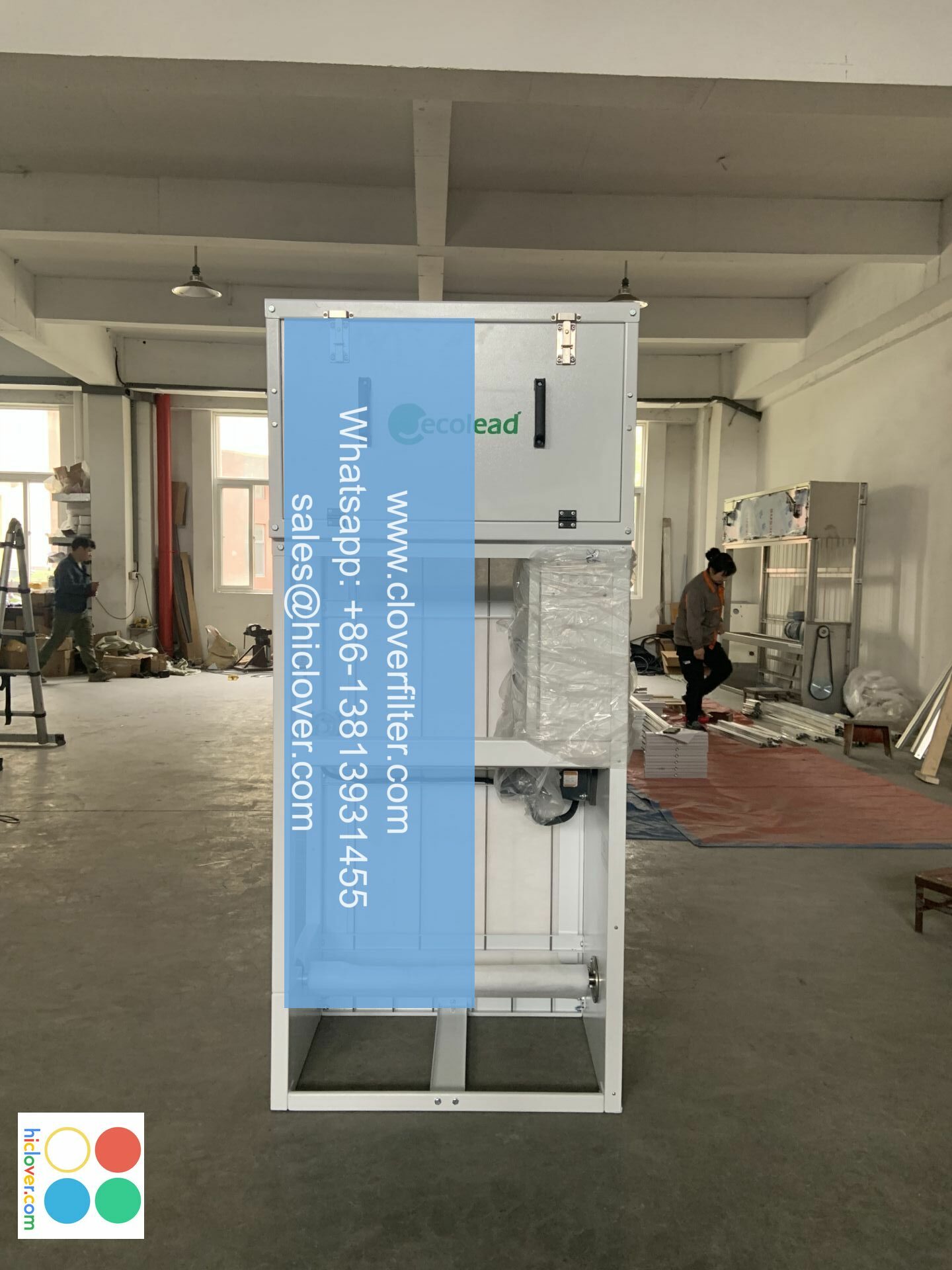
The quality of air in theatres and performance venues significantly impacts both audiences and performers. Ensuring a clean and healthy environment is crucial for optimal experiences. One effective way to achieve this is through well-implemented air filter programs. This article reviews the best practices for air filtration in theatres and performance venues, highlighting various application areas.
Understanding the Importance of Air Quality

Air quality plays a pivotal role in the comfort and health of everyone present in a performance venue. Poor air quality can lead to performance issues, health problems for performers, and discomfort for audiences. Key reasons to prioritize air filtration in theatres include:
- Health Protection: Reducing allergens and pollutants helps protect the health of all attendees.
- Enhanced Performance: Clean air can improve performers’ vocal and physical capabilities.
- Comfort Levels: A comfortable environment enhances the audience’s immersive experience.
Best Practices for Implementing Air Filter Programs
1. Conducting Air Quality Assessments

Before embarking on an air filter program, it’s critical to conduct a thorough air quality assessment. This process involves:
- Identifying sources of pollution, such as traffic, industrial activity, and indoor activities.
- Measuring particulate matter, volatile organic compounds (VOCs), and other pollutants.
- Assessing humidity and temperature levels, essential for determining filtering needs.
2. Selecting Appropriate Air Filters
Not all air filters are created equal. Selecting the right type of air filter is essential for maximizing air quality. Filters should be evaluated based on:
- MERV Ratings: Minimum Efficiency Reporting Values (MERV) indicate the filter’s capability to capture particles. A higher MERV rating typically indicates better filtration.
- HEPA Filters: High-Efficiency Particulate Air (HEPA) filters are ideal for capturing small particles and allergens, making them particularly beneficial for performance venues.
- Carbon Filters: These filters can reduce VOCs and odors, creating a more pleasant atmosphere.
3. Regular Maintenance and Replacement
Regular maintenance is vital to ensure air filters operate effectively. Key practices include:
- Scheduling regular filter replacements according to manufacturer guidelines.
- Inspecting the HVAC system yearly to ensure optimal performance.
- Cleaning ducts and vents to prevent the circulation of dust and debris.
4. Educating Staff and Performers
Education plays a critical role in maintaining air quality. Staff and performers should be aware of:
- The importance of reporting any air quality concerns.
- Best practices like minimizing smoke, heavy perfumes, and other pollutants that can degrade air quality.
Conclusion: A Commitment to Clean Air
Implementing an effective air filter program in theatres and performance venues is not just a matter of compliance; it demonstrates a commitment to the health and comfort of all users. By following best practices—conducting assessments, selecting appropriate filters, ensuring regular maintenance, and educating staff—venues can create an environment conducive to exceptional performances and memorable experiences. Prioritizing air quality is essential for the future of live entertainment, making clean air a vital part of the theatre experience.
It looks like you might want some help with a specific prompt. Could you please provide more details or clarify what you need? Whether it’s story ideas, writing assistance, brainstorming, or something else, I’m here to help!
