The Impact of Automatic Roll Air Filter on Biotech Facility Design: A New Paradigm
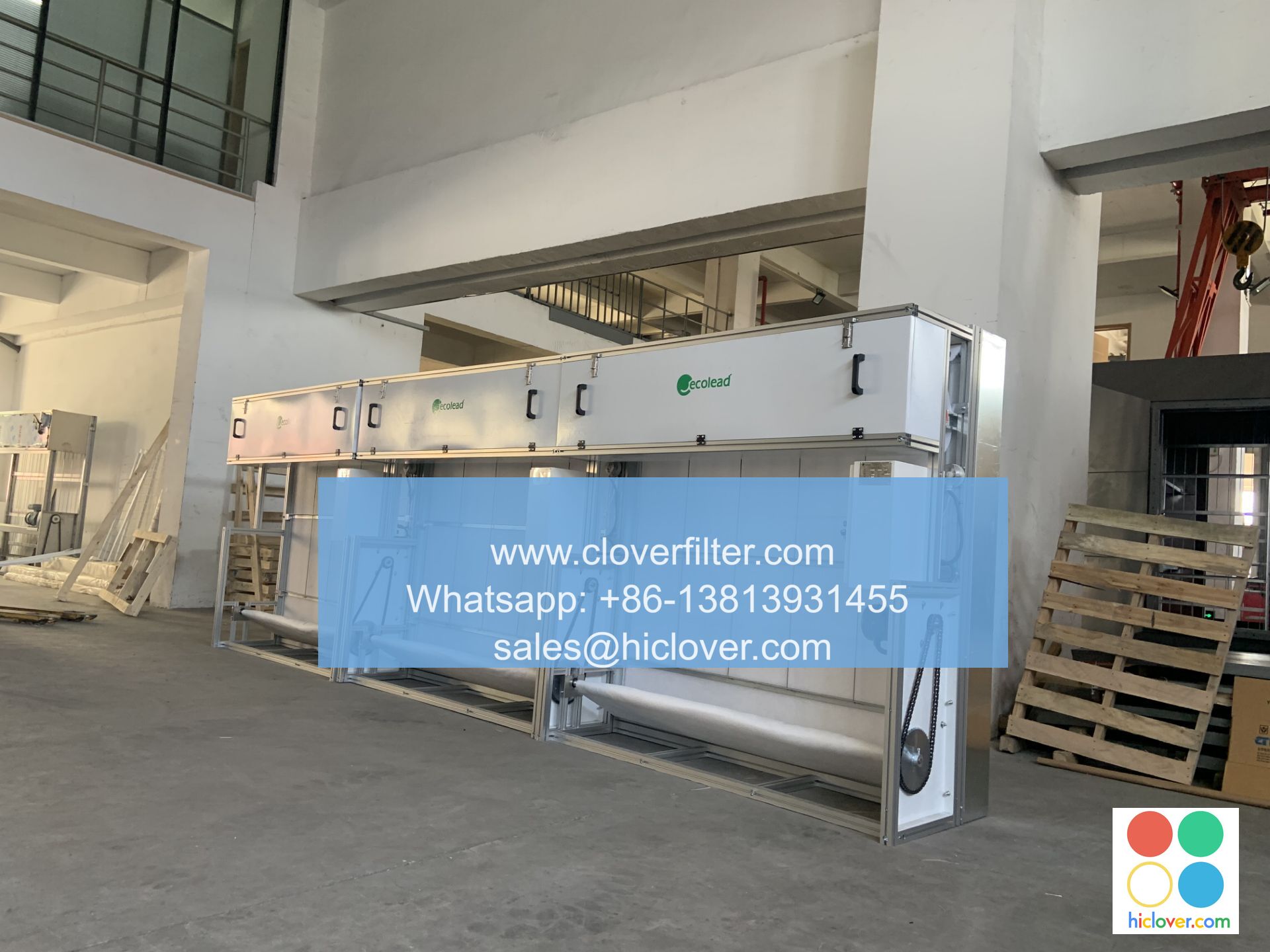
Biotechnology facilities are at the forefront of innovation in healthcare, agriculture, and environmental sciences. The design and operational efficiency of these facilities have significant implications for product quality, regulatory compliance, and overall productivity. Among the various elements that contribute to an effective biotech facility, air quality control is paramount, especially in environments that are sensitive to contamination. The introduction of automatic roll air filters represents a paradigm shift in how these facilities are conceived and constructed.
Understanding Automatic Roll Air Filters

Automatic roll air filters offer a convenient and efficient solution for maintaining indoor air quality in biotech facilities. Unlike traditional fixed filters, these systems utilize a rolling mechanism that continuously supplies clean air while automatically discarding the polluted portions. This means less downtime for filter changes and consistent air quality management. The design flexibility of these automatic systems allows them to adapt to various spaces within a biotechnology facility, from laboratories to production areas.
Enhanced Cleanroom Standards
One of the critical aspects of biotech facility design is maintaining stringent cleanroom standards. Traditional air filtration methods often struggle to keep pace with the demands of modern biotechnology, which requires sophisticated sterility and contamination control. The automatic roll air filter system excels in this regard, providing increased filtration efficiency and allowing for real-time monitoring of air quality parameters.
This level of control not only enhances compliance with regulatory standards but also ensures that the research and production processes are not compromised. Automated air filters can also be integrated into facility management systems, providing continuous data that can inform operational decisions and facilitate preemptive maintenance.
Operational Efficiency and Cost Savings
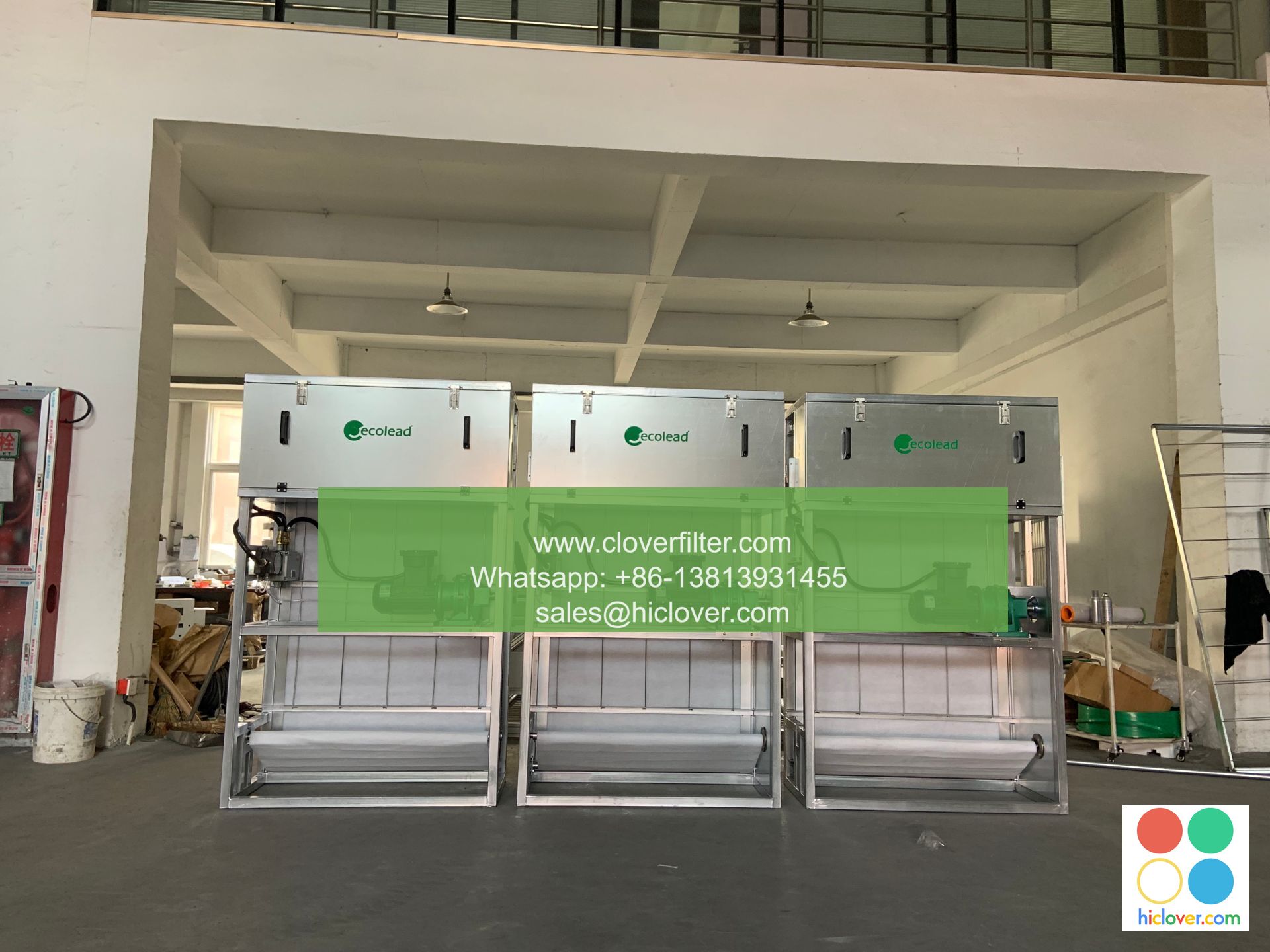
Implementing automatic roll air filters can lead to significant operational efficiencies and cost savings. Traditional filter systems require frequent maintenance and replacement, leading to increased labor costs and downtime. In contrast, automatic roll systems facilitate quicker transitions during maintenance, reducing the impact on production schedules.
Additionally, the energy efficiency of these systems is often superior to conventional filters. As they effectively maintain air quality without generating excessive energy consumption, biotech facilities can achieve lower operational costs over time while minimizing their environmental impact. A well-designed automatic air filtration system translates into substantial savings in both time and resources, which can be redirected toward research and development initiatives.
Future Trends in Biotech Facility Design
The incorporation of automatic roll air filters is merely a reflection of broader trends as the biotech industry evolves. With a focus on sustainability, cost-effectiveness, and advanced air quality management, future biotech facilities are likely to adopt increasingly automated and intelligent designs. The integration of sensors for real-time monitoring, predictive maintenance systems, and enhanced data analytics will further optimize operational workflows.
As the demand for biotech products continues to grow, facilities that can design and implement innovative air quality control systems will be better positioned to thrive in a competitive landscape.
Conclusion
The adoption of automatic roll air filters is reshaping biotech facility design, providing essential air quality control while enhancing operational efficiency and compliance with stringent industry standards. As technologies advance, the integration of these filtration solutions will likely become a standard practice in the design of future biotech facilities. This shift represents a commitment to not only improving production quality but ensuring that biotech operations are sustainable, efficient, and innovative.
FAQs
1. What are the key benefits of using automatic roll air filters in biotech facilities?
Automatic roll air filters provide enhanced air quality control, reduce maintenance downtime, optimize operational costs, and support compliance with regulatory standards.
2. How do automatic roll air filters improve cleanroom environments?
These filters offer superior filtration efficiency and continuous monitoring capabilities, ensuring that cleanroom environments meet necessary sterility and contamination standards.
3. Can automatic roll air filters lead to cost savings in biotech operations?
Yes, they reduce labor costs associated with maintenance, lower energy consumption, and minimize downtime, leading to overall operational savings.
4. What future trends can we expect in biotech facility design related to air quality?
We expect to see increased automation, real-time monitoring, and data analytics integration, enhancing the efficiency and adaptability of facility designs.
