The Benefits of Using Air Filters with UV Light Technology
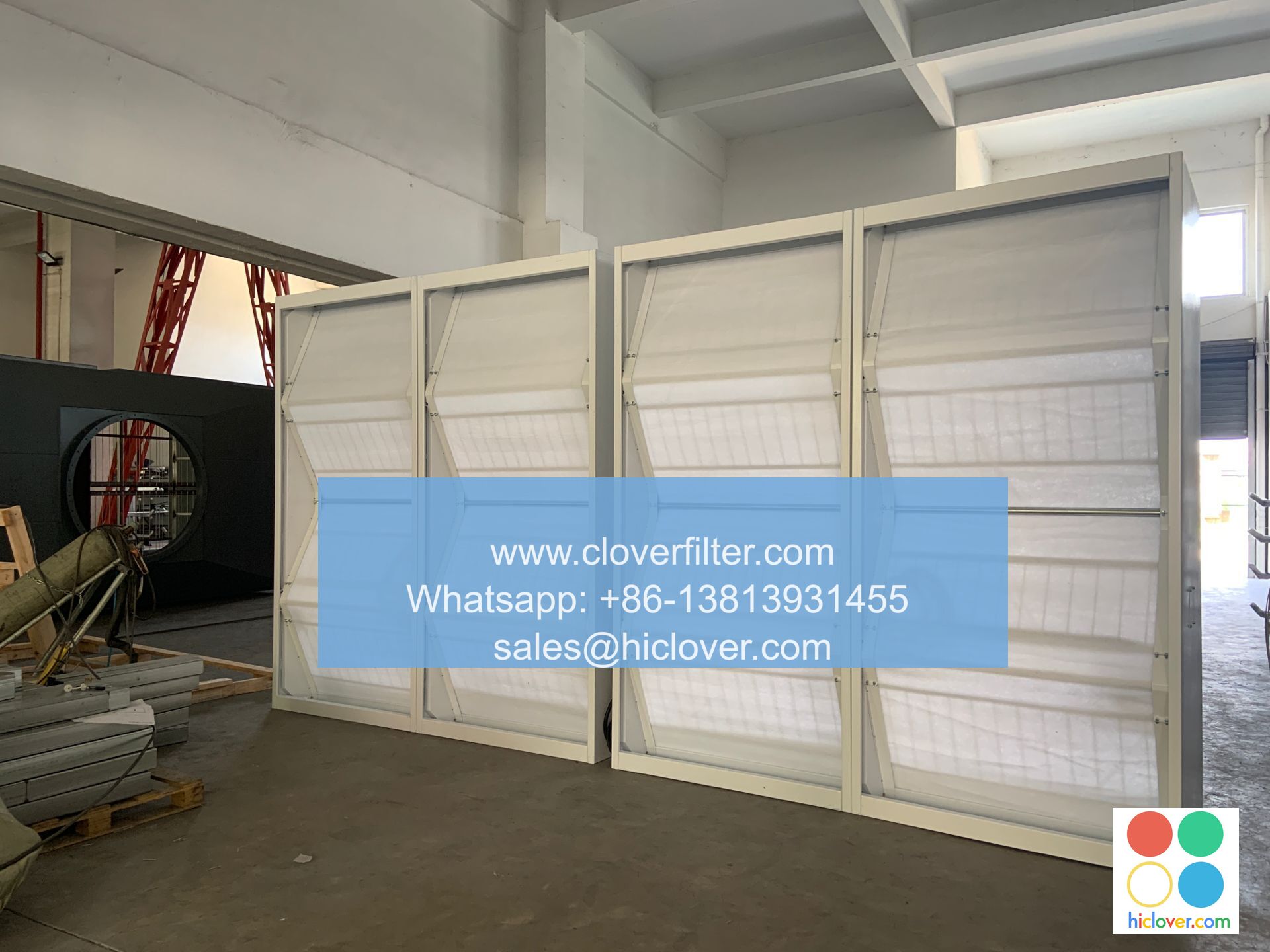
Understanding Air Filters with UV Light Technology

Air filters are essential devices designed to improve indoor air quality by removing pollutants, allergens, and microorganisms.
When combined with ultraviolet (UV) light technology, these filters enhance their performance by effectively neutralizing harmful germs, viruses, and bacteria.
This innovative technology offers a more comprehensive solution for maintaining clean air across various settings.
Enhanced Air Purification
One of the primary benefits of using air filters with UV light technology is their ability to provide enhanced air purification.
Traditional filters capture particles like dust and pollen, but UV light targets and kills airborne pathogens. This dual-action system ensures that your indoor air is not only free of particles but also hygienically safe.
Healthier Indoor Environments
By significantly reducing the presence of harmful microorganisms, air filters with UV technology contribute to healthier indoor environments.
This is especially vital in places where people congregate, such as schools, hospitals, and offices.
Preventing the spread of infectious diseases through air purification supports overall public health.
Applications in Different Settings
Residential Use
In homes, these air filtration systems are crucial for those with allergies or asthma, providing a cleaner atmosphere for families.
By removing allergens like pet dander, mold spores, and dust mites, residents can breathe easier.
Commercial Buildings
In commercial settings, air filters with UV technology help businesses maintain a healthy work environment, reducing sick days and improving productivity.
Investing in advanced air quality solutions demonstrates a commitment to employee well-being.
Healthcare Facilities
Healthcare settings, such as hospitals and clinics, benefit immensely from advanced air filtration.
These environments require stringent air quality controls to protect vulnerable patients. Implementing UV technology in air filters can significantly reduce hospital-acquired infections (HAIs).
Industrial Applications
In industrial contexts, where chemical fumes and particulates may be present, UV air filters help safeguard against exposure to hazardous substances, protecting workers and ensuring compliance with safety regulations.
Energy Efficiency and Cost-Effectiveness
Modern air filters are designed to be energy-efficient, which can lead to reduced utility bills.
Utilizing UV technology may also lower maintenance costs as these systems require less frequent replacement compared to traditional filters.
This combination offers an environmentally friendly solution that is both economical and sustainable.
Conclusion
In summary, air filters with UV light technology provide numerous benefits, enhancing air quality and promoting health in various settings.
As the importance of clean air continues to grow, investing in these advanced filtration systems becomes essential for creating safer indoor environments.
Whether for residential, commercial, healthcare, or industrial applications, the advantages of UV air filters can lead to lasting positive impacts on public health and well-being.
It seems like your message got cut off. Could you please provide more context or details about what you’d like to discuss or request? I’m here to help!
