Air Filter Data and the Role of Artificial Intelligence (AI)
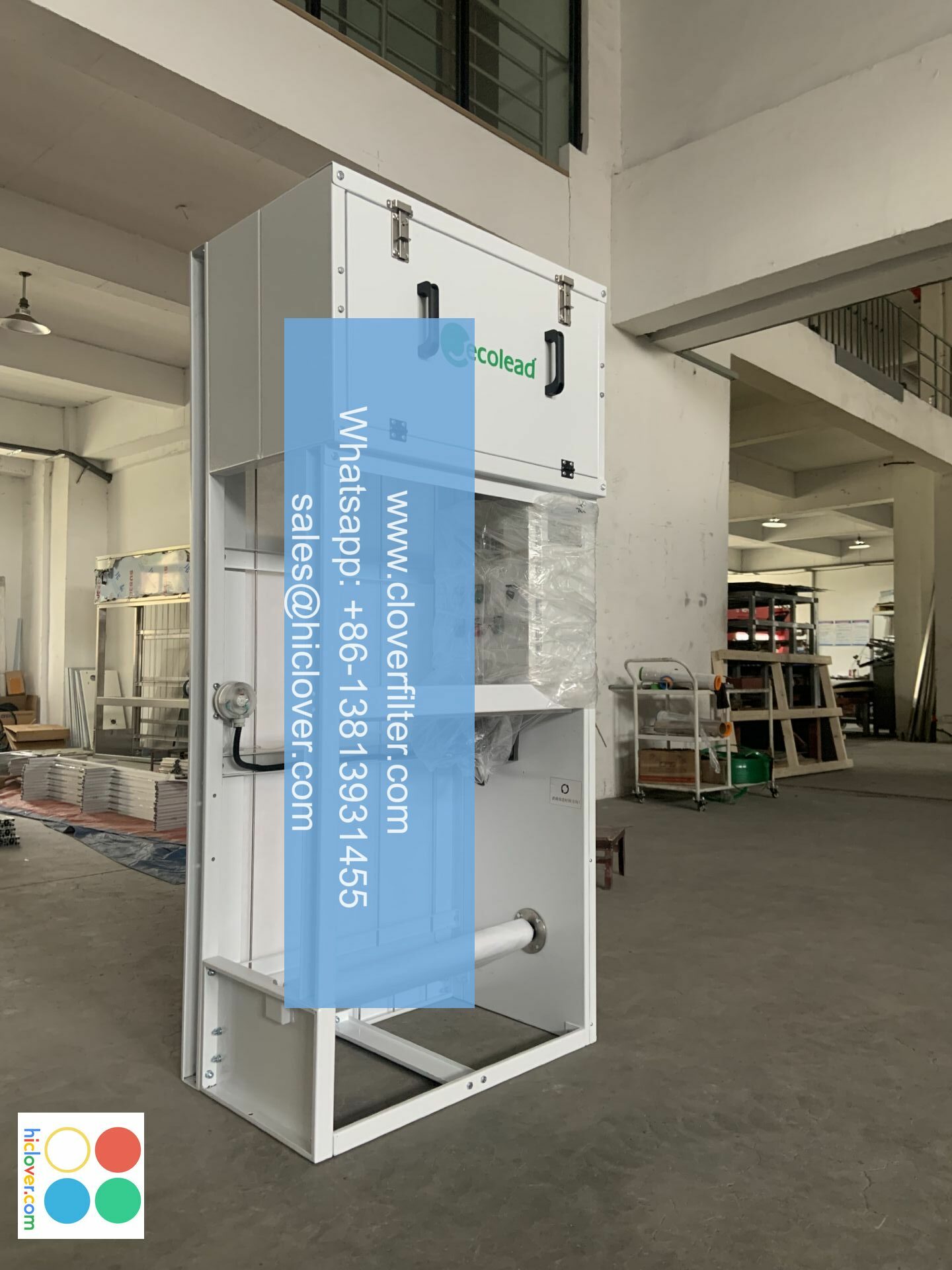
In today’s fast-paced world, air quality remains a growing concern among urban dwellers and industrial operations alike. This article will delve into the significance of air filter data and the transformative impact of artificial intelligence (AI) in enhancing air quality monitoring and compliance.
Understanding Air Filter Data

Air filter data refers to the quantitative measures and qualitative insights derived from the performance of various air filtration systems used in residential and commercial settings. These metrics might include:
- Particle size efficiency
- CADR (Clean Air Delivery Rate)
- Filter lifespan
- Energy consumption
By analyzing this data, stakeholders can make informed decisions regarding maintenance, upgrades, and replacements, thereby ensuring optimal air quality.

The Role of AI in Analyzing Air Filter Data
Artificial intelligence has emerged as a pivotal technology in transforming how air filter data is interpreted and utilized. Here are some critical applications of AI in this domain:
1. Predictive Maintenance
AI models can analyze historical air filter performance data and predict when a filter is likely to fail. By implementing predictive maintenance, businesses can prevent costly downtimes and enhance operational efficiency. Machine learning algorithms can identify patterns indicating filter deterioration, allowing timely interventions.
2. Real-Time Monitoring
Machine learning techniques enable the real-time monitoring of air quality parameters. By integrating AI with IoT devices, users can receive notifications regarding filter status and air quality levels. This immediate feedback loop helps ensure that air quality remains within acceptable limits.
3. Optimization of Filter Systems
AI can optimize the performance of air filtration systems by analyzing numerous factors, such as air quality data, energy usage, and filter life. This smart approach leads to improved design and operational efficiencies, enabling systems to adapt to changing conditions dynamically.
4. Enhanced Decision-Making
AI-driven analytics provide stakeholders with deeper insights into air filter performance, informing better purchasing and replacement decisions. This evidence-based approach allows businesses to select the most effective filters based on specific air quality challenges and operational needs.
Conclusion: The Future of Air Filters with AI
The integration of artificial intelligence in air filter data analysis represents a significant leap forward in ensuring cleaner air quality across various environments. Whether used in residential spaces, commercial buildings, or manufacturing facilities, the enhanced capacity for monitoring, predicting, and optimizing air filtration systems is set to revolutionize air quality management.
As the world continues to grapple with air pollution and health challenges, embracing AI-driven solutions will be critical for fostering a cleaner and healthier environment.
It seems like you might be looking for a specific prompt or topic for discussion. Could you please provide more details or clarify what you’re interested in? Whether it’s creative writing, a question to explore, or something else, I’m here to help!
