Air Filter Converters for the Automotive Industry: A Game-Changer

In the evolving landscape of the automotive industry, air filter converters emerge as a revolutionary technology, dramatically transforming vehicle performance and environmental sustainability. This article delves into what air filter converters are, their significance, and their multifaceted application areas, shedding light on their potential to reshape automotive engineering.
What are Air Filter Converters?
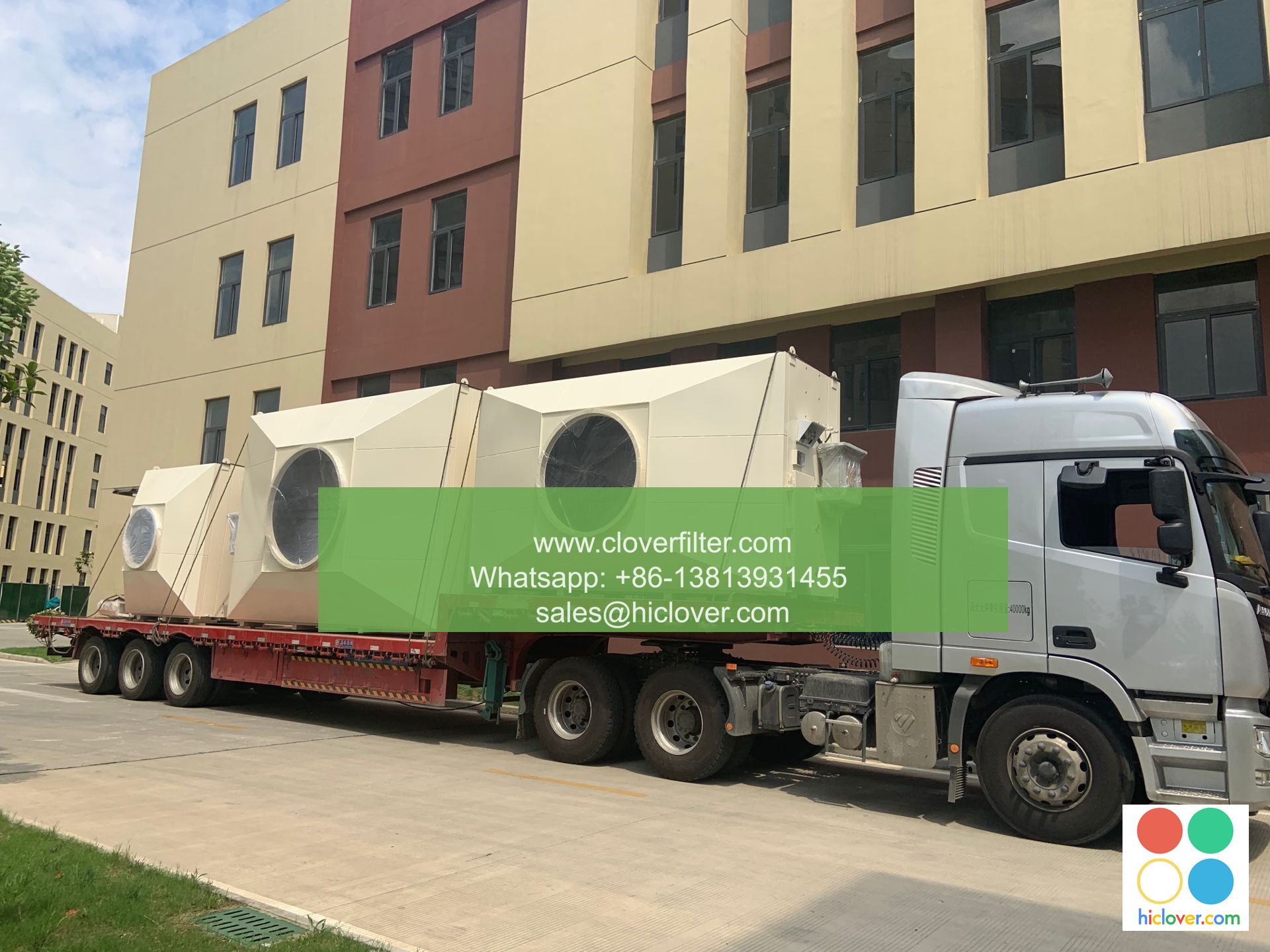
Air filter converters are advanced systems designed to enhance the efficiency of traditional air filtration technologies. By integrating multiple functionalities, these converters not only filter particulates but also optimize airflow and minimize fuel consumption. They combine air filtration with catalytic converter features, facilitating cleaner emissions and improved engine performance.
Why Air Filter Converters are a Game-Changer
Enhanced Performance
Air filter converters optimize the air intake process by ensuring that only clean, filtered air reaches the engine. This leads to:
- Improved engine efficiency: Clean air translates to better combustion, resulting in enhanced power output.
- Increased fuel economy: By maximizing air intake efficiency, vehicles can achieve higher miles per gallon (MPG).
- Lower CO2 emissions: Effective air filtration and conversion minimize the release of greenhouse gases.
- Compliance with regulations: Air filter converters help manufacturers meet stringent emission standards set by environmental agencies.
-
Passenger Vehicles: Enhancing the performance and longevity of engines in cars and SUVs by ensuring optimal air intake and emission control.
-
Commercial Vehicles: Improving fuel efficiency and reducing maintenance costs for trucks and heavy-duty vehicles, where engine performance is paramount.
-
Electric Vehicles (EVs): While EVs produce zero tailpipe emissions, air filter converters can still play a role in pre-treatment processes for incoming air in hybrid systems or in battery ventures where air quality is crucial.
-
Motorsport: In high-performance racing applications, using air filter converters can significantly boost engine power and responsiveness.
- Nanotechnology: Utilizing advanced materials to capture microscopic particles more effectively than traditional filters.
- Real-time monitoring systems: These enable drivers and manufacturers to keep track of air quality and filter efficiency, allowing for timely maintenance and replacements.
- Hybrid systems: Combining mechanical and electronic components to achieve optimal performance, especially for hybrid and electric vehicles.
-
Cost Implications: The integration of advanced technologies may lead to higher manufacturing costs. However, long-term savings on fuel and maintenance can offset initial investments.
-
Market Adoption: As with any innovative technology, widespread acceptance and integration into existing automotive systems take time. Continuous research and development are essential to improve performance and reduce costs.
Environmental Benefits
With rising concerns over air pollution, air filter converters play a critical role in reducing automotive emissions. By capturing harmful particles and converting them into less harmful substances, they contribute to:
Versatility in Application
Air filter converters are versatile and can be applied across various automotive segments:
Key Technologies Involved
Air filter converters are integrating cutting-edge technologies that enhance their functionality, including:
Challenges and Considerations
While air filter converters represent a promising technology, there are challenges to consider:
Conclusion
Air filter converters mark a significant advancement in automotive technology. By enhancing engine performance, ensuring compliance with environmental policies, and offering versatile applications, they are undoubtedly a game-changer. As the automotive industry continues to evolve towards more sustainable practices, embracing air filter converters will be integral in driving future innovations and contributing to a cleaner, more efficient world.
Call to Action
As consumers and manufacturers alike become increasingly aware of their environmental impact, now is the time to explore partnerships and investments in air filter converter technologies. Together, we can pave the way for a greener future in automotive engineering.
It looks like you may have submitted the word “Prompt” without any specific follow-up. How can I assist you today? If you’re looking for ideas, questions, or a specific topic to discuss, feel free to elaborate!
