Air Filter Efficiency: How to Get the Most Out of Your Filter
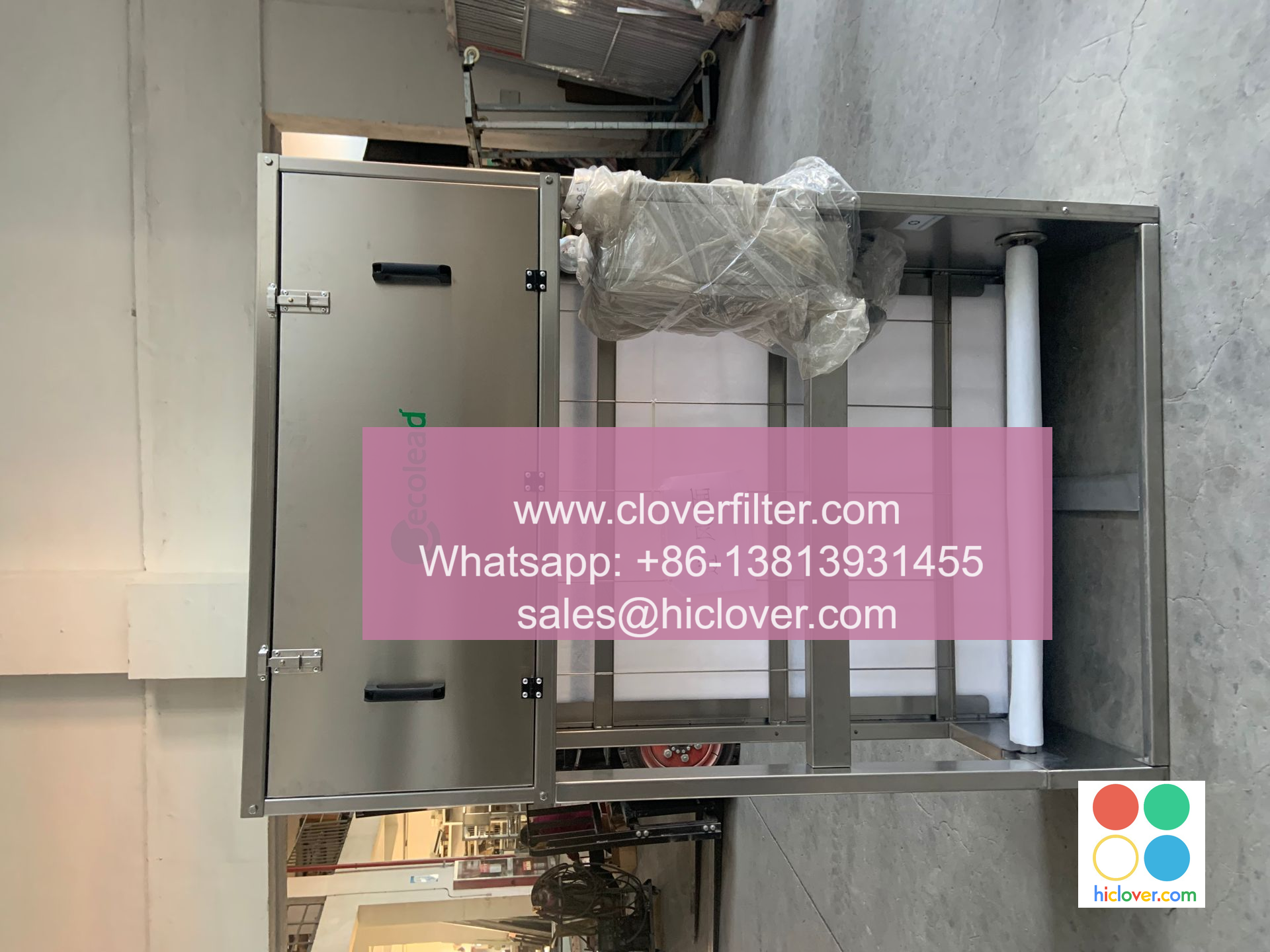
Keeping the air we breathe clean and healthy is vital in today’s environment. With indoor air quality being a growing concern, understanding air filter efficiency is crucial for homeowners and businesses alike. This article will explore various application areas and provide tips on maximizing your air filter’s performance.
Understanding Air Filter Efficiency

Air filter efficiency refers to a filter’s ability to remove particles (such as dust, pollen, smoke, and other allergens) from the air. The effectiveness of a filter is often measured using the MERV (Minimum Efficiency Reporting Value) rating, which can range from 1 to 16 and indicates how well a filter can trap various types of particles.
MERV Ratings Explained
- MERV 1-4: Basic filters that capture larger particles like lint and dust.
- MERV 5-8: Medium efficiency filters that remove some airborne viruses, mold spores, and pet dander.
- MERV 9-12: High-efficiency filters that effectively trap smaller particles, including finer dust and various allergens.
- MERV 13-16: HEPA filters designed for critical applications, such as hospitals and cleanrooms, that capture bacteria and even some viruses.

Application Areas for Air Filters
Understanding where and how to use air filters effectively can greatly enhance their efficiency. Here are several key application areas:
1. Residential HVAC Systems
In homes equipped with HVAC systems, air filters play a significant role. Regularly replacing filters and selecting the right MERV rating for your specific system will help maintain optimal airflow and improve indoor air quality.
2. Commercial and Industrial Settings
Workplaces and industrial facilities can benefit from high-efficiency filters to maintain a clean environment. An effective air filter system can improve employee health and productivity while ensuring compliance with air quality regulations.
3. Automotive Cabin Air Filters
Automobiles use cabin air filters to ensure that the air inside vehicles remains clean and free of pollutants. Replacing these filters according to manufacturer recommendations can enhance passenger comfort and vehicle performance.
4. Medical Facilities
In hospitals and clinics, air filter efficiency is paramount. HEPA filters are often used in operating rooms and patient treatment areas to eliminate airborne contaminants and provide a sterile environment.
Maximizing Your Air Filter Efficiency
To get the most out of your air filter, consider the following tips:
1. Regular Maintenance
Check and replace your air filters as recommended by the manufacturer. Clogged filters can significantly reduce efficiency and may even damage your HVAC system.
2. Use the Correct Size
Ensure you purchase the correct size for your filter. A poorly fitted filter will allow unfiltered air to bypass the system, reducing overall efficiency.
3. Monitor Indoor Air Quality
Investing in indoor air quality monitors can help you understand when to replace filters or which type of filter is best suited for your home or office.
4. Upgrade When Necessary
If your air quality needs are high (such as in a home with pets, allergies, or a business with strict air quality standards), consider upgrading to higher-rated filters that better capture smaller particles.
Conclusion
Understanding and optimizing air filter efficiency is essential for maintaining good indoor air quality across various application areas. By choosing the right filters, performing regular maintenance, and monitoring air quality, you can create a healthier environment for yourself and those around you. Don’t underestimate the power of clean air—make your filters work for you!
It looks like you’ve entered “Prompt” but didn’t specify what you’re looking for. Could you please provide more details or context so I can assist you better? Whether you’re looking for creative writing prompts, question ideas, or something else, let me know!
