Cleanroom Contamination Control: The Role of Automatic Roll Air Filters in Toronto
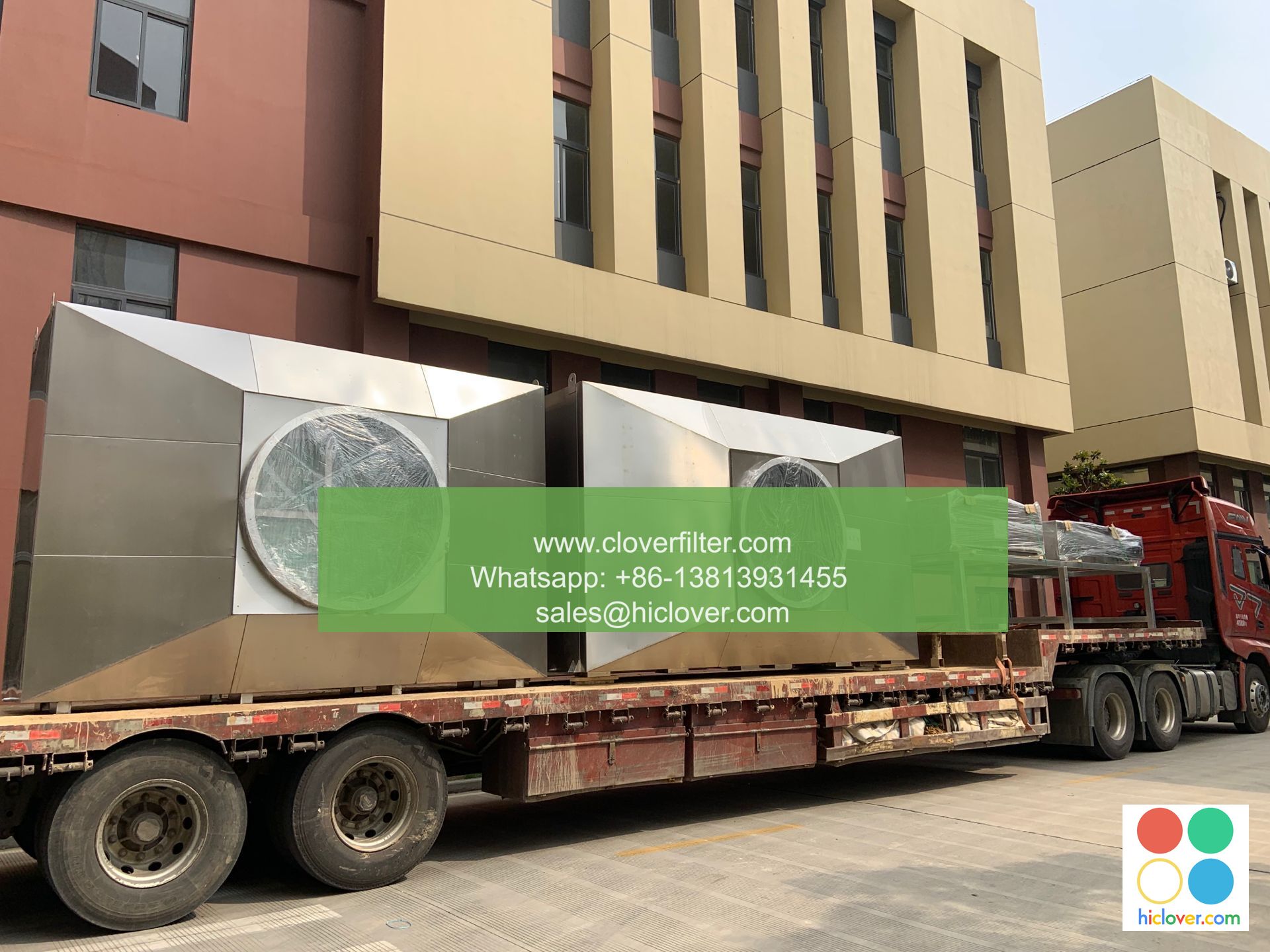
Cleanrooms are specialized environments designed to maintain extremely low levels of environmental pollutants such as dust, airborne microbes, and chemical vapors. These controlled spaces are critical in various industries, particularly pharmaceuticals, biotechnology, and electronics manufacturing, where even the slightest contamination can have catastrophic effects. One of the key components in maintaining these ideal conditions is the filtration system. Automatic roll air filters have emerged as a significant tool in contamination control within cleanrooms, especially in urban environments like Toronto.
The Importance of Air Quality in Cleanrooms
Cleanroom air quality is quantified by the number of particles present in the air. The classification system often uses ISO standards to determine the cleanliness of air in cleanrooms, with ISO Class 1 being the cleanest and ISO Class 9 having higher allowable levels of pollution. To achieve these stringent standards, effective filtration methods are essential. Automatic roll air filters are designed to provide consistent air quality by filtering out unwanted particles.
How Automatic Roll Air Filters Work
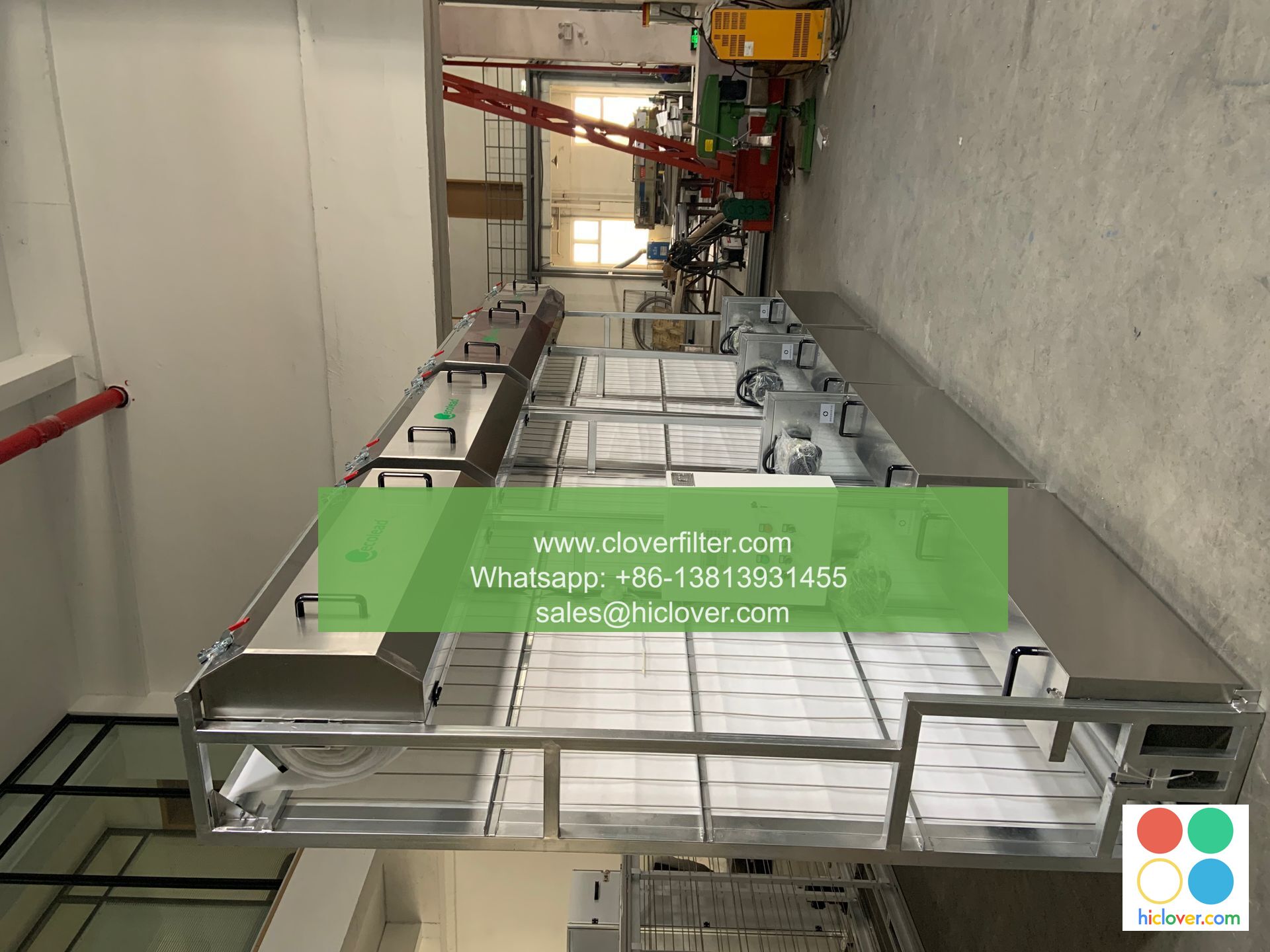
Automatic roll air filters are innovative filtering systems that utilize a continuous roll of filter media. These systems operate automatically, adjusting their filtering capabilities based on the real-time particulate levels in the air. This feature is particularly beneficial in active environments where contamination sources are constantly changing. The automatic nature of these filters means that they can optimize air quality with minimal human intervention, reducing the workload on cleanroom personnel.
Advantages of Automatic Roll Air Filters
1. Enhanced Contamination Control: The automatic adjustment feature enables these filters to respond to varying contamination levels swiftly. This ensures that the air quality remains consistently high without manual checks.

2. Cost-Effective: While the initial investment may be higher than traditional filters, the long-term savings on maintenance and improved air quality can outweigh setup costs. With reduced downtime and less frequent filter changes, operational efficiency is markedly improved.
3. Reduced Footprint: Roll air filters are typically more compact than traditional systems, allowing for better space utilization in cleanroom designs. This is particularly advantageous in urban areas like Toronto where space is at a premium.
4. Improved Energy Efficiency: Many modern roll air filters are designed with energy-saving technologies, which reduce operational costs over time. The ability to fine-tune airflow rates can lead to significant reductions in energy consumption.
Implementing Effective Contamination Control Protocols
For businesses in Toronto operating cleanrooms, incorporating automatic roll air filters should be part of a broader contamination control strategy. Training personnel on the importance of maintaining air quality, regular monitoring, and a strict adherence to protocols is essential. Businesses must also comply with regulatory standards, ensuring that their cleanroom operations meet local and international guidelines.
Conclusion
As industries continue to advance and the demand for cleanroom environments increases, controlling contamination becomes ever more vital. Automatic roll air filters play a crucial role in keeping these environments clean and compliant, particularly in busy cities like Toronto. Investing in robust air filtration systems not only enhances product quality and throughput but also ensures regulatory compliance and operational efficiency. By understanding and implementing effective contamination control measures, companies can safeguard their processes and reputation.
FAQs
What are the main roles of air filters in cleanrooms?
Air filters in cleanrooms serve to remove particulate contaminants, ensuring a controlled environment that meets strict ISO cleanliness standards.
How often should air filters be changed in cleanrooms?
The frequency of changing air filters depends on several factors, including the level of contamination, air flow rates, and the type of filter used. Typically, inspections should be done regularly, and replacements might be required every few months.
Can automatic roll air filters be used in all types of cleanrooms?
Yes, automatic roll air filters can be customized to fit various cleanroom classifications and requirements across different industries, although their configuration may vary based on specific needs.
What standards should cleanrooms comply with?
Cleanrooms must comply with international standards such as ISO 14644, which outlines the classification of air cleanliness. Local regulations may also apply based on the industry and location.
