Automatic Roll Air Filter Maintenance Schedules: A Guide for Markham IT Server Centers
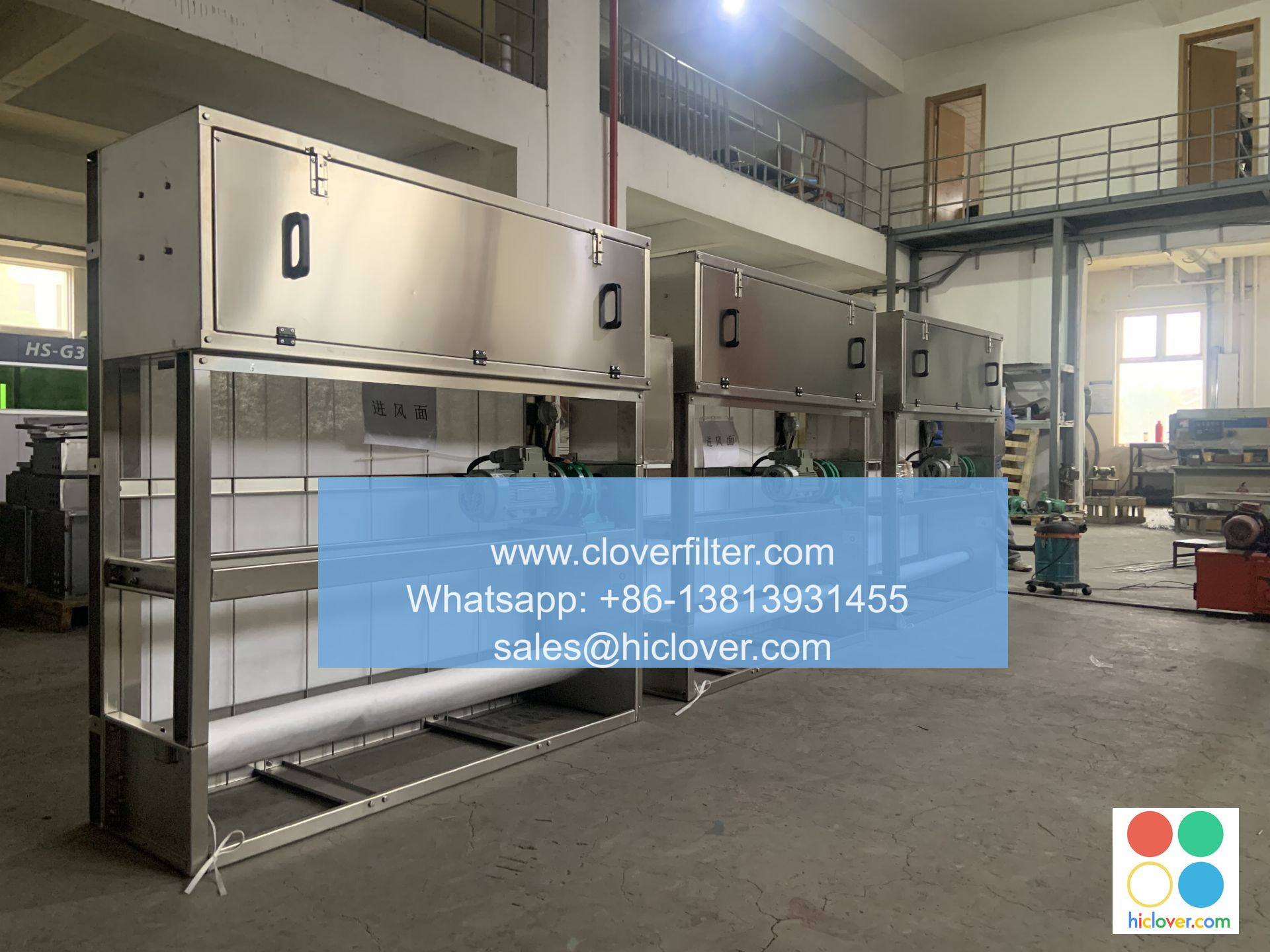
Understanding Automatic Roll Air Filters
Automatic Roll Air Filters are crucial components in maintaining optimal air quality and temperature regulation in server rooms and data centers. These filters operate by continuously cycling air through filtration media, capturing dust, debris, and other airborne contaminants that can hinder server performance. In Markham, where humidity and pollution levels can fluctuate, having a robust maintenance schedule for these filters is not just advisable—it’s essential for uninterrupted IT operations.

The Importance of Maintenance Schedules
Regular maintenance of air filters is pivotal in preventing costly downtimes and ensuring the longevity of IT equipment. A well-maintained filter enhances airflow, improves energy efficiency, and maintains appropriate temperature levels within server racks. By investing in a structured maintenance schedule, Markham IT server centers can minimize the risk of equipment failure, thereby ensuring consistent service delivery and enhancing customer satisfaction.
Creating an Effective Maintenance Schedule
Developing a maintenance schedule for Automatic Roll Air Filters involves understanding several key factors:
- Filter Type: Different filters have varying lifespans. Knowing which filters are in use and their replacement frequency is essential.
- Environmental Factors: In Markham, seasonal changes may cause humidity and airborne particles to vary, affecting filter performance. Adjusting maintenance frequency accordingly is vital.
- Usage Levels: Higher server loads generate more heat and, subsequently, more airborne particles. Regular evaluation of load and usage should inform maintenance frequency.
- Daily: Conduct visual inspections of the air filters and airflow indicators for immediate issues.
- Weekly: Check filter performance metrics and clean off any visible dust or debris that may affect airflow.
- Monthly: Replace disposable filters and conduct a comprehensive inspection of the entire air filtration system.
- Quarterly: Schedule a professional maintenance service to evaluate the entire HVAC system, ensuring it operates optimally.

Recommended Maintenance Intervals
While specific schedules should be tailor-made based on the factors above, here is a general guideline for maintenance intervals:
Monitoring Air Quality
Implementing air quality monitoring systems can significantly augment the effectiveness of your maintenance schedules. These systems provide real-time data on air cleanliness, temperature, and humidity levels. By correlating this data with planned maintenance, IT managers can make informed decisions that enhance operational efficiency.
Conclusion
In Markham, where IT infrastructure is pivotal to many businesses’ success, maintaining effective Automatic Roll Air Filters is vital. A proactive maintenance schedule not only insures against unnecessary equipment failures but also enhances the performance and longevity of critical IT assets. By understanding the types of filters used, evaluating environmental factors, and regularly monitoring performance, IT server centers can ensure they stay ahead of potential issues, resulting in uninterrupted, high-quality service.
FAQs
1. How often should I change my Automatic Roll Air Filters?
Frequency can vary based on several factors such as filter type, environmental conditions, and usage levels, but a general guideline is monthly replacement for disposable filters combined with quarterly professional checks.
2. What signs indicate my air filters need maintenance?
Common signs include increased equipment temperatures, unusual noises from HVAC systems, and visible dust accumulation around equipment.
3. Can I perform maintenance myself?
Basic inspections can be performed by IT staff, but professional servicing is recommended quarterly for comprehensive system checks.
4. What happens if I neglect filter maintenance?
Neglecting maintenance can lead to airflow restrictions, increased energy costs, overheating servers, and ultimately, costly equipment failures.
