Air Filter Sizing: Getting it Right for Your Space
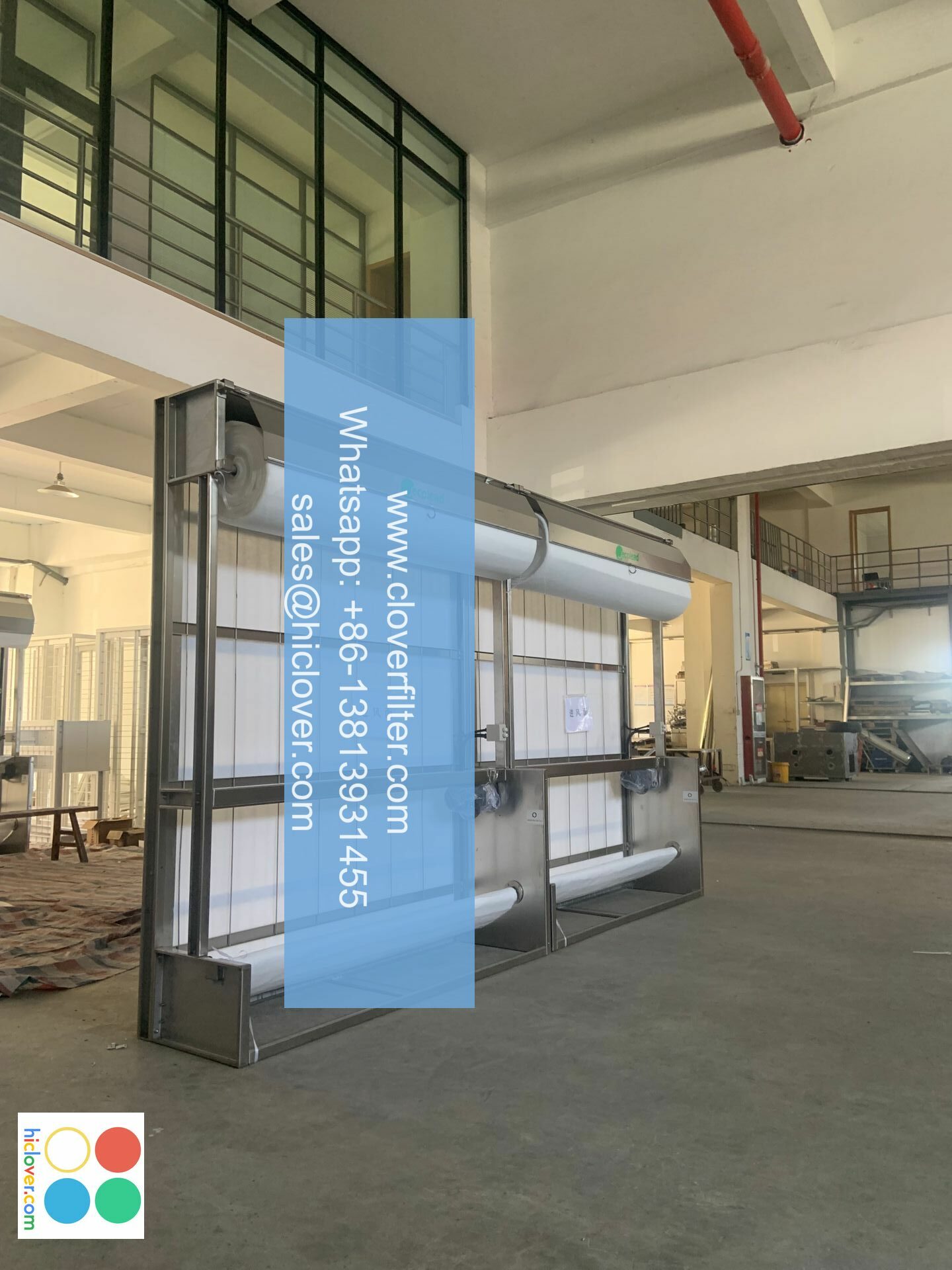
Choosing the right air filter is crucial to maintaining healthy indoor air quality. Proper air filter sizing ensures efficient operation, improves air quality, and extends the lifespan of your HVAC systems. In this article, we delve into the essential factors for sizing air filters correctly across various application areas.
Understanding the Importance of Air Filter Sizing

Incorrectly sized air filters can lead to numerous issues, including diminished airflow, increased energy consumption, and a potential failure of your HVAC system. Proper sizing not only maximizes efficiency but also enhances the overall indoor air quality, making it a vital aspect of maintaining a healthy living or working environment.
Key Factors Influencing Air Filter Sizing
- Room Size: The volume of the space significantly influences the size and type of air filter required.
- Airflow Rate: Calculate the Air Changes per Hour (ACH) for your space to determine the required airflow.
- Filter Efficiency: Higher MERV ratings may lower airflow, impacting sizing decisions.
- System Compatibility: Ensure that your filter is compatible with your HVAC system specifications.
- Application Area: Different environments (residential, commercial, industrial) may require specific filter types or sizes.
Application Areas for Air Filter Sizing
1. Residential Spaces
In homes, the air filter’s size and efficiency are essential for ensuring a comfortable and healthy living environment. For residential applications, consider the square footage of the home, the number of rooms, and the presence of pets or allergies, as these factors will dictate the necessary filter size.
2. Commercial Buildings
Commercial spaces often have higher occupancy rates and larger air volumes, necessitating more robust filtration systems. Proper air filter sizing in these environments can help manage air quality in offices, retail spaces, and restaurants. Evaluate the airflow requirements based on the activities taking place to determine the size and efficiency of the filters.
3. Industrial Applications
In industrial settings, filters have to manage high levels of dust and particulates. Selecting the right size for dust collection systems is crucial. Consider the specific contaminants present, the volume of air being filtered, and compatibility with industrial equipment when determining filter sizes.
4. Healthcare Facilities
In healthcare settings, air quality is critical for patient safety and comfort. Filters must provide superior filtration efficiency to remove pathogens and pollutants. Sizing in this context directly correlates with the facility’s infection control measures and air changes required per hour.
Conclusion: Getting It Right
Getting the right air filter size for your space is essential for enhancing indoor air quality and ensuring the efficiency of your HVAC system. Whether in residential, commercial, industrial, or healthcare applications, proper sizing involves understanding airflow requirements, room specifications, and filter efficiency ratings. By taking the time to assess these factors, you can select the appropriate air filter to create a healthier, cleaner environment for all.
It seems like you entered “Prompt” without any context. How can I assist you today? Are you looking for a writing prompt, a specific topic, or something else? Let me know!
