The Economic Benefits of Air Filter Data-Driven Energy Management
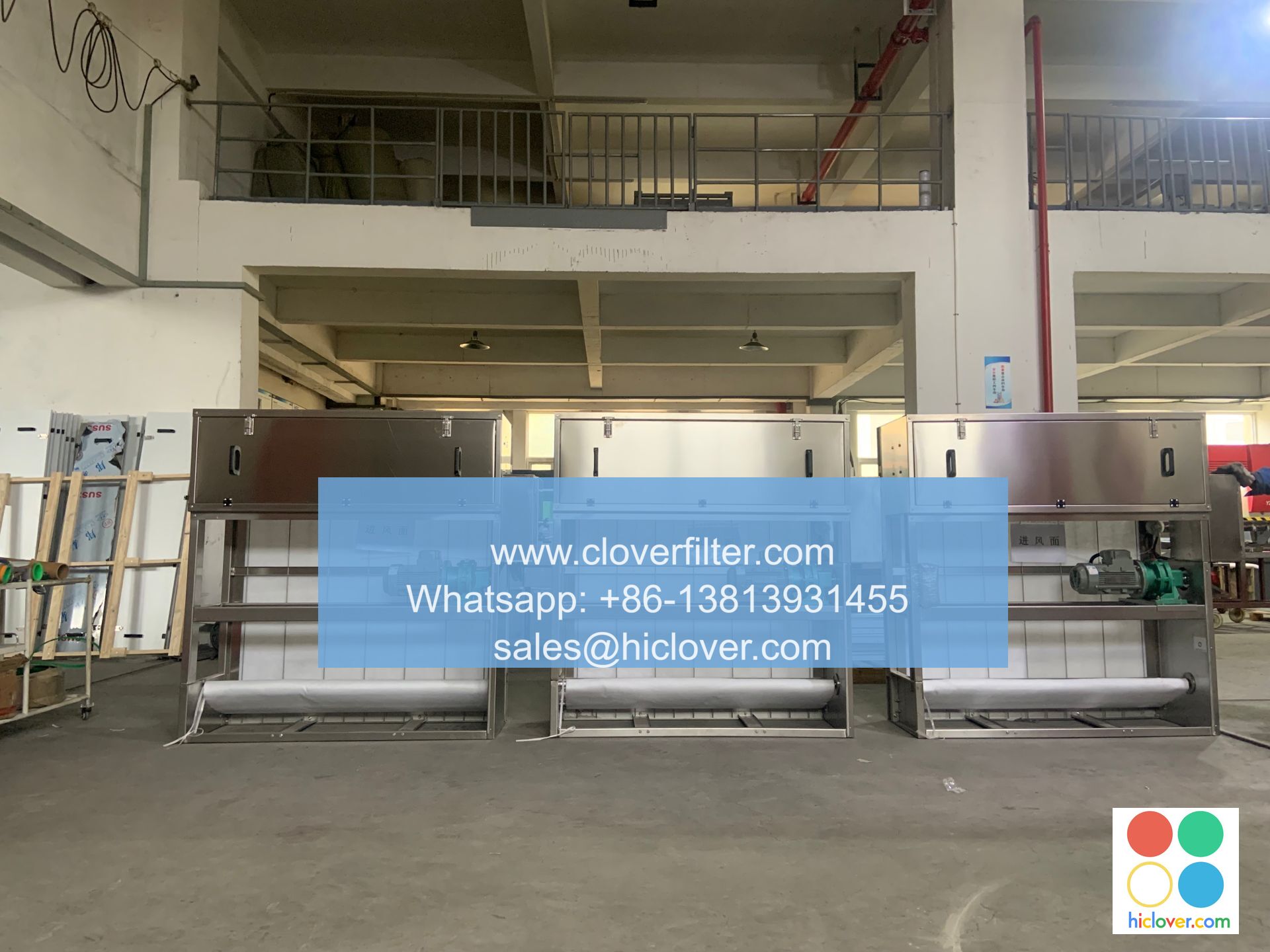
In today’s rapidly evolving technological landscape, data-driven energy management has emerged as a crucial strategy for both efficiency and sustainability. The integration of air filter data into energy management systems offers substantial economic benefits, especially in sectors reliant on indoor air quality, such as commercial buildings, healthcare facilities, and industrial settings. This article explores the various application areas and significant advantages of utilizing air filter data in energy management.
Understanding Air Filter Data

Air filters play a vital role in maintaining indoor air quality (IAQ) and energy efficiency. Collecting and analyzing air filter data can provide insights into the performance of HVAC systems. By monitoring filter status, pressure drops, and air quality levels, facilities can optimize energy consumption while ensuring a healthy environment for occupants.
Significant Economic Benefits
1. Cost Reduction in Energy Consumption
One of the primary economic advantages of implementing data-driven energy management through air filter analysis is the substantial cost reduction in energy consumption. By utilizing real-time data, building managers can identify inefficiencies and implement timely interventions. This leads to:
- Lower utility bills by minimizing energy wastage.
- Optimized HVAC performance, reducing wear and tear.
- Prolonged lifespan of air filtration units through appropriate replacement schedules.
- Less manual oversight, allowing staff to redirect focus to critical functions.
- Improved response times to air quality issues or filter performance degradation.
- Integration with Building Management Systems (BMS) for holistic resource management.
- Enhance occupant satisfaction, leading to improved workforce productivity.
- Reduce healthcare costs by minimizing the risk of respiratory and other health issues.
- Foster a positive organizational reputation by prioritizing employee well-being.

2. Enhanced Operational Efficiency
Data-driven approaches streamline operations by automating monitoring and maintenance tasks. This results in:
3. Improved Indoor Air Quality
Maintaining excellent indoor air quality is essential for productivity and health. By using air filter data to ensure optimal filtration and air flow, organizations can:
Application Areas of Air Filter Data-Driven Energy Management
1. Commercial Buildings
In commercial real estate, leveraging air filter data helps optimize energy expenditure, leading to enhanced return on investment (ROI) and reduced operational costs. Additionally, it can support green building certifications, further attracting tenants.
2. Healthcare Facilities
Hospitals and clinics require stringent air quality standards. Air filter data ensures that HVAC systems are working efficiently, thus protecting vulnerable populations. This can lead to lower healthcare costs and improved patient outcomes.
3. Industrial Applications
Manufacturing environments must maintain specific air quality standards to ensure product quality and worker safety. Data-driven energy management helps these facilities optimize their energy use, leading to lower operational costs and compliance with environmental regulations.
Conclusion
As organizations increasingly turn to sustainable practices, air filter data-driven energy management is proving to be a vital approach that not only enhances energy efficiency but also significantly improves indoor air quality. The economic benefits—including cost reductions, operational efficiency, and better health outcomes—are substantial. Embracing this technology can usher in a new era of economic and environmental stewardship, impacting various sectors positively.
It looks like your message was cut off! Could you please provide more details or clarify what you’d like assistance with?
