The Clean Air Convergence: Where Technology Meets Community in Air Filter Innovation
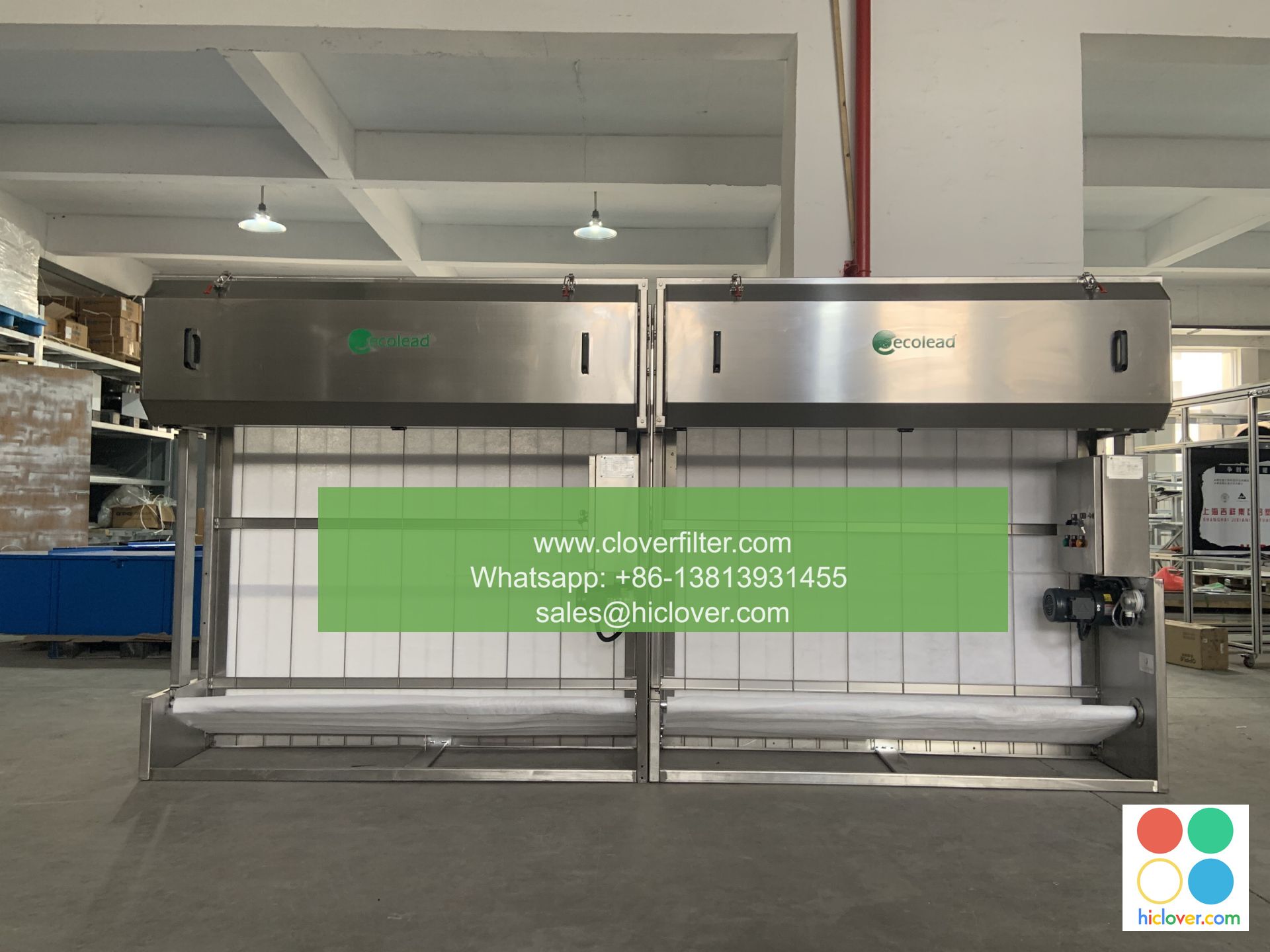
The quest for cleaner air has led to the emergence of innovative air filtration solutions that combine cutting-edge technology with community engagement. The Clean Air Convergence is at the forefront of this movement, showcasing how advancements in air filter technology can meaningfully impact public health while fostering community solidarity. This article delves into the critical aspects of air filter innovation, highlights its applications, and discusses the importance of community involvement in achieving cleaner air.
Understanding Air Filter Technology

The world is increasingly recognizing the significance of air quality as a fundamental component of health and well-being. With rising pollution levels and the lingering effects of the COVID-19 pandemic, effective air filtration technologies have never been more critical.
-
HEPA Filters: High-Efficiency Particulate Air (HEPA) filters are essential in residential and commercial settings. These filters can capture 99.97% of microscopic particles, including allergens, dust, and some viruses. The integration of HEPA filters into buildings is crucial for improving indoor air quality.
-
UV-C Light Technology: This technology leverages ultraviolet light to disinfect air by killing harmful pathogens. When combined with traditional filtration systems, UV-C technology elevates air purity levels, essential for hospitals, schools, and any enclosed spaces.
-
IoT Air Quality Monitors: The Internet of Things (IoT) plays a transformative role in air quality management. Smart devices can monitor indoor air quality in real time, alerting users to dangerous pollutant levels and allowing for timely intervention.
Community-Centric Approaches to Air Quality
The goal of cleaner air surpasses mere technological advancements; it requires a community-oriented approach. By bringing together local citizens, health experts, scientists, and policymakers, initiatives like The Clean Air Convergence inspire collective action towards improved air quality.
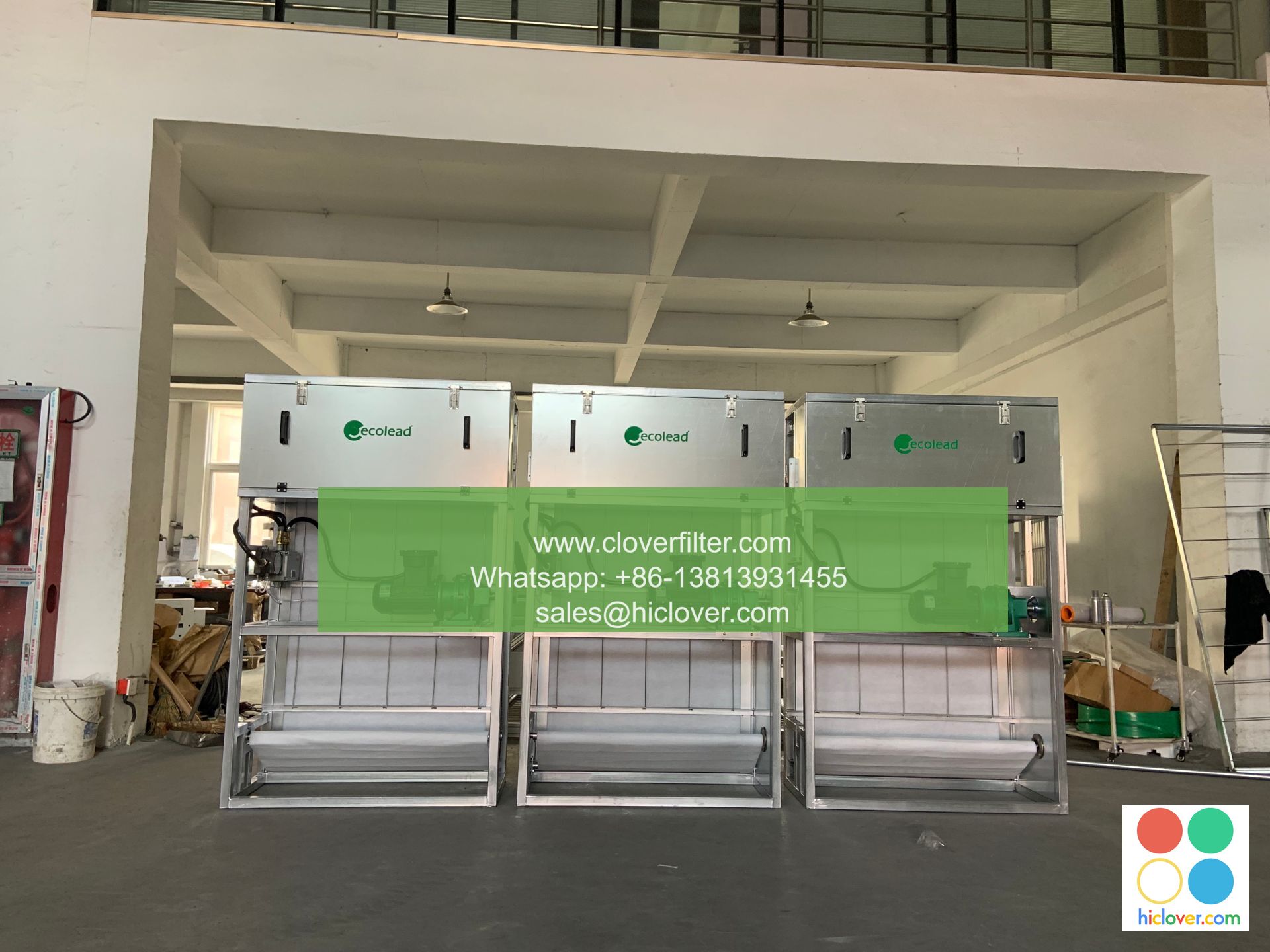
Local Engagement & Education
Engaging communities in air quality issues starts with education. Workshops and seminars can inform residents about:
- Outdoor Air Quality: Understanding pollutants and their sources.
- Indoor Air Quality: How to improve air quality in homes using filters and ventilation strategies.
- Personal Responsibilities: Promoting behavioral changes like reduced vehicular use and energy conservation.
Collaborative Innovations
Communities can propel innovations through collective efforts. For instance, citizen-led projects that encourage the installation of low-cost air filtration systems in schools and community centers allow residents to experience clean air benefits firsthand.
Policy Advocacy
Communities can join forces to advocate for cleaner air regulations. By collaborating with advocacy groups, residents can drive policy changes at local and national levels, pushing for stricter emissions standards and funding for air quality improvement projects.
Application Areas of Air Filter Innovations
Air filtration technologies have diverse applications that significantly contribute to healthier environments:
1. Residential Spaces
Homeowners increasingly invest in air purifiers to ensure safer living conditions. Integrating advanced filters not only combats allergies but also provides peace of mind during wildfire seasons and increased pollution.
2. Educational Institutions
Schools have implemented air filtration technologies to protect children from harmful particles and allergens. HEPA filters and UV-C systems in classrooms play a vital role in maintaining a conducive learning environment.
3. Healthcare Facilities
Hospitals and clinics deploy sophisticated air filtration systems to create sterile environments. The use of HEPA filters and UV-C light helps reduce hospital-acquired infections, safeguarding patients’ health.
4. Workplaces
Employers are increasingly recognizing the importance of providing clean air for employees. Investing in air quality solutions enhances productivity and reduces absenteeism, demonstrating a strong corporate commitment to staff health.
5. Public Transportation
Innovations in air filtration are becoming instrumental in public transport systems. Buses and trains equipped with air purifying systems help mitigate the spread of airborne pathogens and improve the overall commuting experience.
Conclusion
The Clean Air Convergence exemplifies how the intersection of technology and community efforts can yield remarkable results in the fight for cleaner air. By embracing innovative air filter solutions and fostering local engagement, we can build healthier, more resilient communities. The challenge of ensuring air quality is a collective responsibility, and only together can we breathe easier for generations to come.
By focusing on community engagement alongside technological advancements, we can create a sustainable model for air filter innovation that not only addresses immediate health concerns but also galvanizes collective action towards long-term air quality improvements.
Sure! What kind of prompt are you looking for? It could be for writing, art, a discussion topic, or something else. Let me know!
