Enhancing Grain Quality: The Role of Automatic Roll Filters in Milling
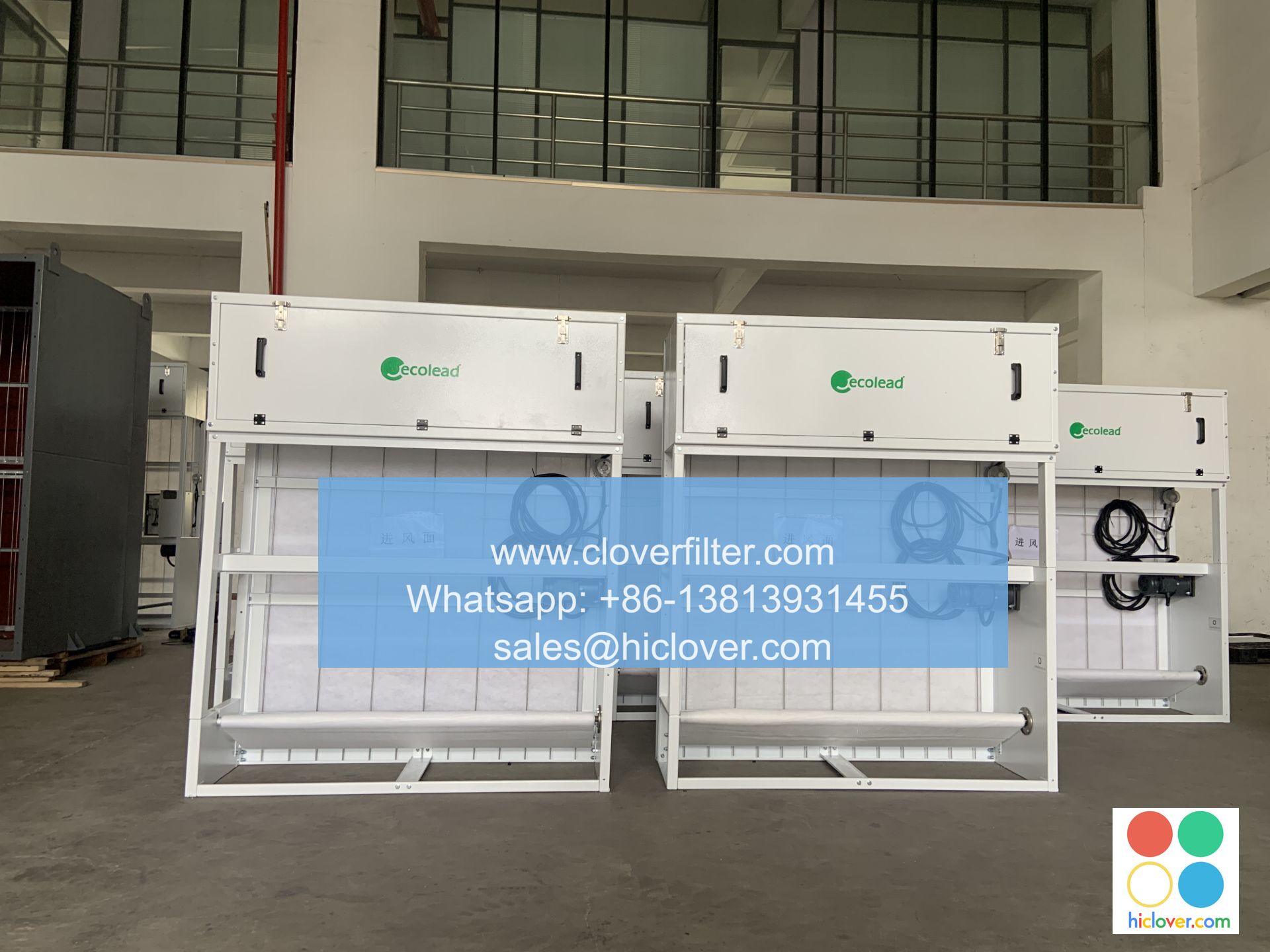
In the ever-evolving world of grain processing, achieving superior grain quality is a paramount consideration for millers. Among the various technological innovations, automatic roll filters have emerged as a game-changer, significantly improving milling efficiency and product purity. This article delves into the crucial role of these advanced filtration systems in the milling industry, highlighting their applications and benefits.
Understanding Automatic Roll Filters

Automatic roll filters are sophisticated devices integrated into the milling process, designed to separate unwanted materials and particles from grain. Utilizing advanced conveyor technology and real-time data monitoring, these filters ensure a consistent upgrade in the quality of processed grains.
The Process of Grain Milling
Grain milling involves several complex steps, where raw grains are transformed into flour or meal. The process typically includes cleaning, conditioning, and grinding. Each stage poses challenges regarding contamination and quality assurance. Here is where automatic roll filters play a vital role:
1. Cleaning
Before grains are milled, they must be cleaned to remove impurities. Automatic roll filters effectively eliminate dust, chaff, and other foreign particles, resulting in a cleaner end product. This preliminary cleaning stage is crucial as it directly influences the flour quality.

2. Conditioning
Conditioning involves adjusting the moisture level of grains to facilitate efficient grinding. Automatic roll filters manage moisture and fine particles, ensuring uniform grain texture essential for generating high-quality flour.
3. Grinding
During the grinding process, the role of automatic roll filters is two-fold: they help maintain consistent particle size and prevent oversizing of flour that may occur due to unwanted particles. This precision leads to better flour performance in baking and other food applications.
Applications of Automatic Roll Filters
The versatility of automatic roll filters extends across various milling applications, enhancing the quality and safety of grain products:
Baking Industry
In the baking sector, the quality of flour has a significant impact on the final product. Automatic roll filters ensure the flour is free from contaminants and has the right characteristics for baking, contributing to better dough performance and superior bread texture.
Animal Feed Production
For animal feed, the nutritional quality is essential. By employing automatic roll filters, feed manufacturers can ensure that the feed is not only free from harmful impurities but also rich in the necessary nutrients for optimal animal health.
Specialty Mills
Specialty mills focusing on organic or gluten-free products benefit greatly from the application of automatic roll filters. These filters address the strict quality control required in niche markets, ensuring compliance with health and safety standards while enhancing product quality.
Advantages of Automatic Roll Filters in Milling
Integrating automatic roll filters into milling operations offers numerous advantages:
- Improved Product Quality: Consistent removal of impurities leads to higher-quality flour and grain products.
- Efficiency: Automatic processes reduce labor costs and minimize human error.
- Real-time Monitoring: Advanced sensors provide continuous feedback, allowing for quick adjustments.
- Sustainability: Enhanced filtration contributes to reduced waste, contributing to more sustainable milling practices.
Conclusion
The milling industry is continuously seeking innovative solutions to enhance grain quality. Automatic roll filters play an indispensable role in this pursuit, delivering superior cleaning and filtration solutions that significantly elevate the quality of processed grains. Their diverse applications across various sectors highlight their importance, making them a vital component of modern milling technology.
Of course! What specific prompt or topic would you like to explore?
