Air Filter Testing Methods: A Guide by the Air Filter Testing Association

By the Air Filter Testing Association
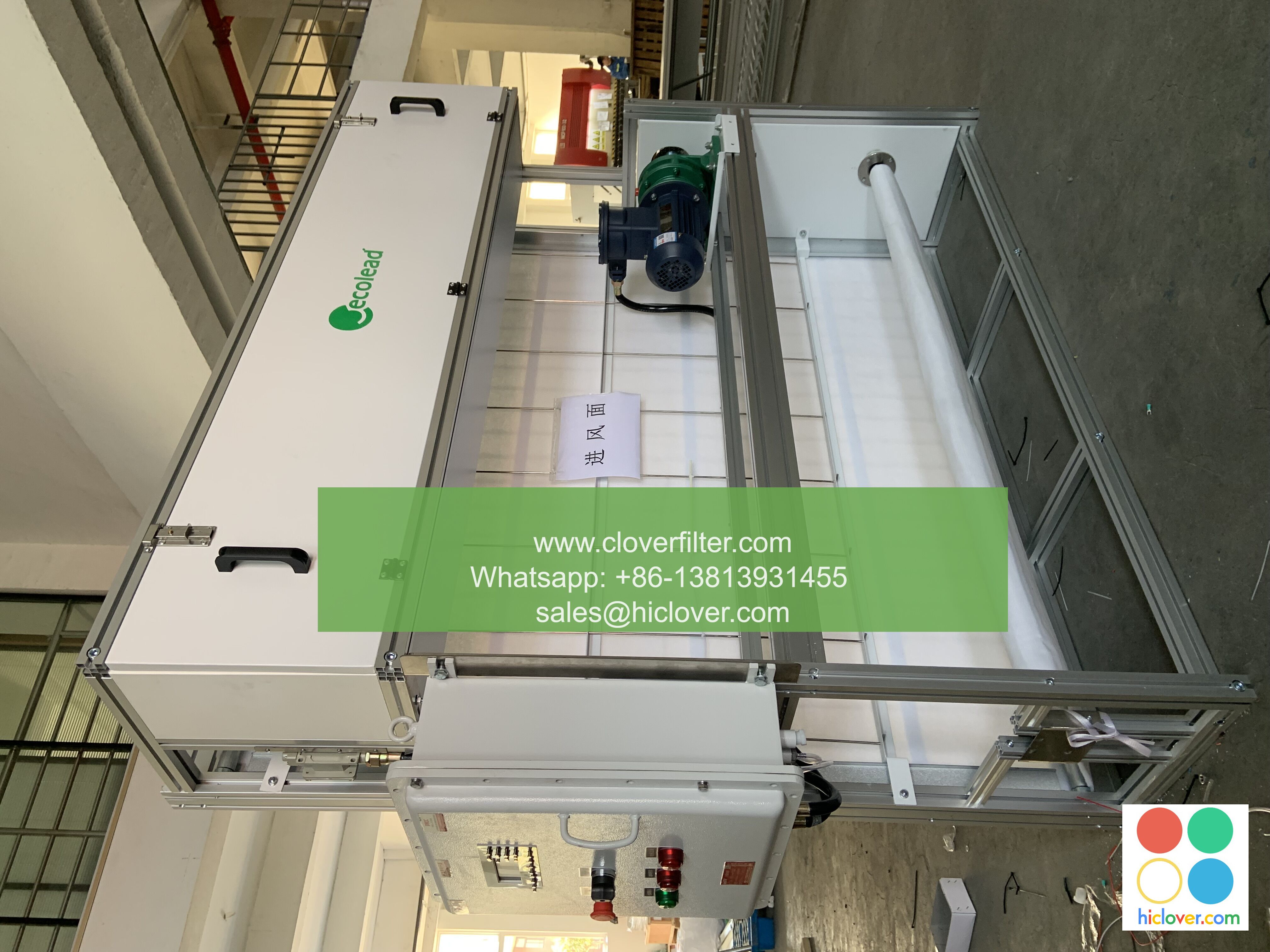
Introduction to Air Filter Testing
Air filter testing is a critical process that ensures air filtration systems operate effectively in various environments. The Air Filter Testing Association (AFTA) has developed standardized methods to assess air filter performance. This guide delves into the key testing methods used in the industry and highlights their importance across diverse application areas.
Key Air Filter Testing Methods
1. Efficiency Testing
Efficiency testing measures how well an air filter captures particles from the airflow passing through it. Common techniques include:

- ISO 16890 – This standard evaluates air filters based on their efficiency in removing particulate matter across a range of sizes.
- EN 779 – Previously used standard that categorized filters into classes based on their particle capture efficiency.
2. Pressure Drop Testing
Pressure drop testing assesses the resistance an air filter presents to airflow, which is crucial for energy efficiency. High pressure drops can lead to increased energy costs and reduced airflow. This test is often conducted before and after the filter has been used to measure clogging effects.
3. Particle Size Distribution Testing
This method determines the effectiveness of filters on different particle sizes, allowing manufacturers to tailor their products for specific applications. This testing is essential in industries such as:
- Healthcare – Ensuring that filters can capture pathogens and allergens.
- Industrial – Controlling dust and contaminants in manufacturing settings.
4. Durability Testing
Filters should maintain their performance over time. Durability testing evaluates how filters withstand various operational conditions, such as temperature fluctuations and humidity levels. This method is vital for applications in:
- HVAC systems in commercial buildings.
- Aerospace and automotive industries – where filters face extreme environments.
Importance of Air Filter Testing Across Application Areas
Proper testing of air filters is essential to ensure air quality and system efficiency in various fields. Here are some application areas that benefit significantly from rigorous air filter testing:
- Healthcare: In hospitals and clinics, air filters must effectively capture airborne bacteria and viruses to protect patients and staff.
- Industrial Manufacturing: Dust and particle contaminants can impact product quality and employee health. Effective filtration systems are critical in this sector.
- Commercial Buildings: HVAC systems must provide clean air while maintaining low energy costs. Efficient filter performance contributes to overall building health.
- Aerospace: Filters must meet stringent requirements for both ambient air quality and equipment protection in aircraft and spacecraft.
Conclusion
Understanding air filter testing methods is crucial to developing efficient air filtration systems that cater to specific needs across various industries. The Air Filter Testing Association continues to champion standardized testing practices that ensure air quality and energy efficiency, ultimately enhancing public health and safety. For further information on air filter testing standards and methods, visit the AFTA official website.
Of course! What would you like your prompt to be about? You can specify a topic, genre, or any other details you’d like included.
