The Importance of Air Filter Organizations’ Training and Education Programs
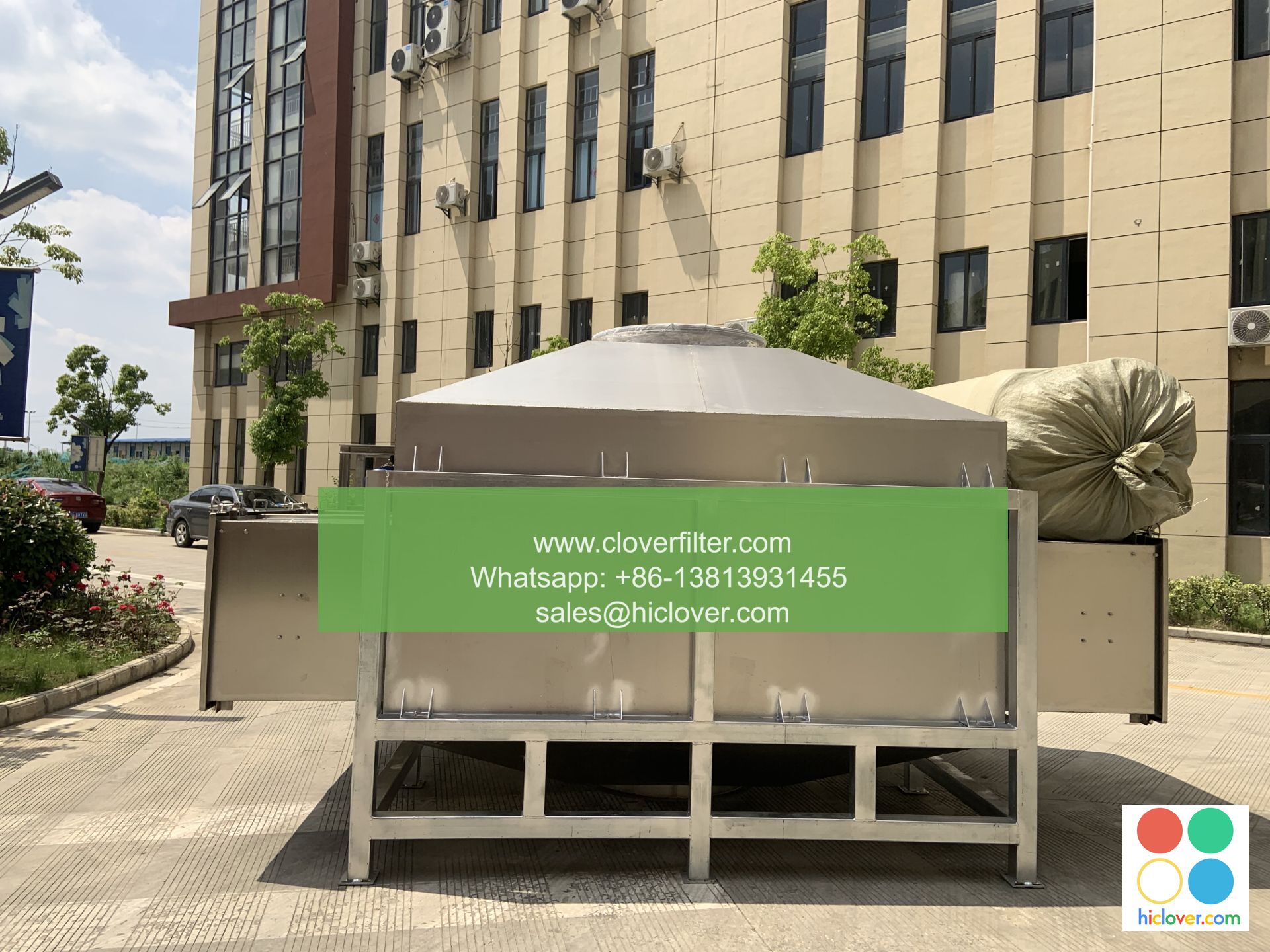
In today’s world, where air quality significantly impacts public health and the environment, the role of air filter organizations cannot be overstated. These organizations are pivotal in promoting clean air through their innovative technologies and practices. A crucial component of their effectiveness lies in comprehensive training and education programs designed for various stakeholders.
Why Training and Education Matter

Training and education programs offered by air filter organizations serve multiple purposes:
- Professional Development: They equip professionals with the necessary skills and knowledge to implement effective air filtration solutions.
- Awareness and Advocacy: Raising public awareness about air quality issues and the importance of filtration systems.
- Regulatory Compliance: Ensuring industry standards and regulations are met through well-educated personnel.
Key Application Areas of Air Filter Training
The training programs are diverse, addressing various sectors and applications, including:

1. Residential Air Quality Management
For homeowners and tenants, educational workshops focus on the importance of maintaining clean air in residential spaces. Training covers how to select and maintain personal air filters, improving indoor air quality.
2. Commercial and Industrial Filtration Systems
Businesses require specific training to ensure compliance with environmental regulations. Courses may include topics on the installation and maintenance of air filtration systems in commercial settings, such as restaurants and manufacturing plants.
3. HVAC System Performance
Training programs often focus on enhancing the performance of HVAC systems with appropriate air filtration technologies. These areas emphasize energy efficiency and the importance of regular maintenance to extend system life.
4. Health Sector Applications
In the healthcare sector, focus is placed on specialized air filtration systems that help prevent the spread of airborne diseases. Training healthcare professionals on best practices can significantly enhance patient safety and outcomes.
Building a Community of Informed Professionals
Air filter organizations play a vital role in fostering a community of informed professionals. Improved knowledge fosters innovation, encourages collaboration, and ultimately leads to better air quality solutions. The training and educational initiatives not only benefit individuals but contribute to a larger movement towards healthier environments.
Conclusion
As air quality challenges become more prevalent globally, the importance of training and education programs provided by air filter organizations grows. These initiatives not only empower individuals in various sectors but also have a profound impact on public health and environmental sustainability. Investing in such programs is crucial for creating a future where everyone can breathe cleaner and healthier air.
Of course! What would you like to discuss or explore? If you have a specific topic or activity in mind, let me know!
