Air Filter Maintenance Tips for Commercial Settings
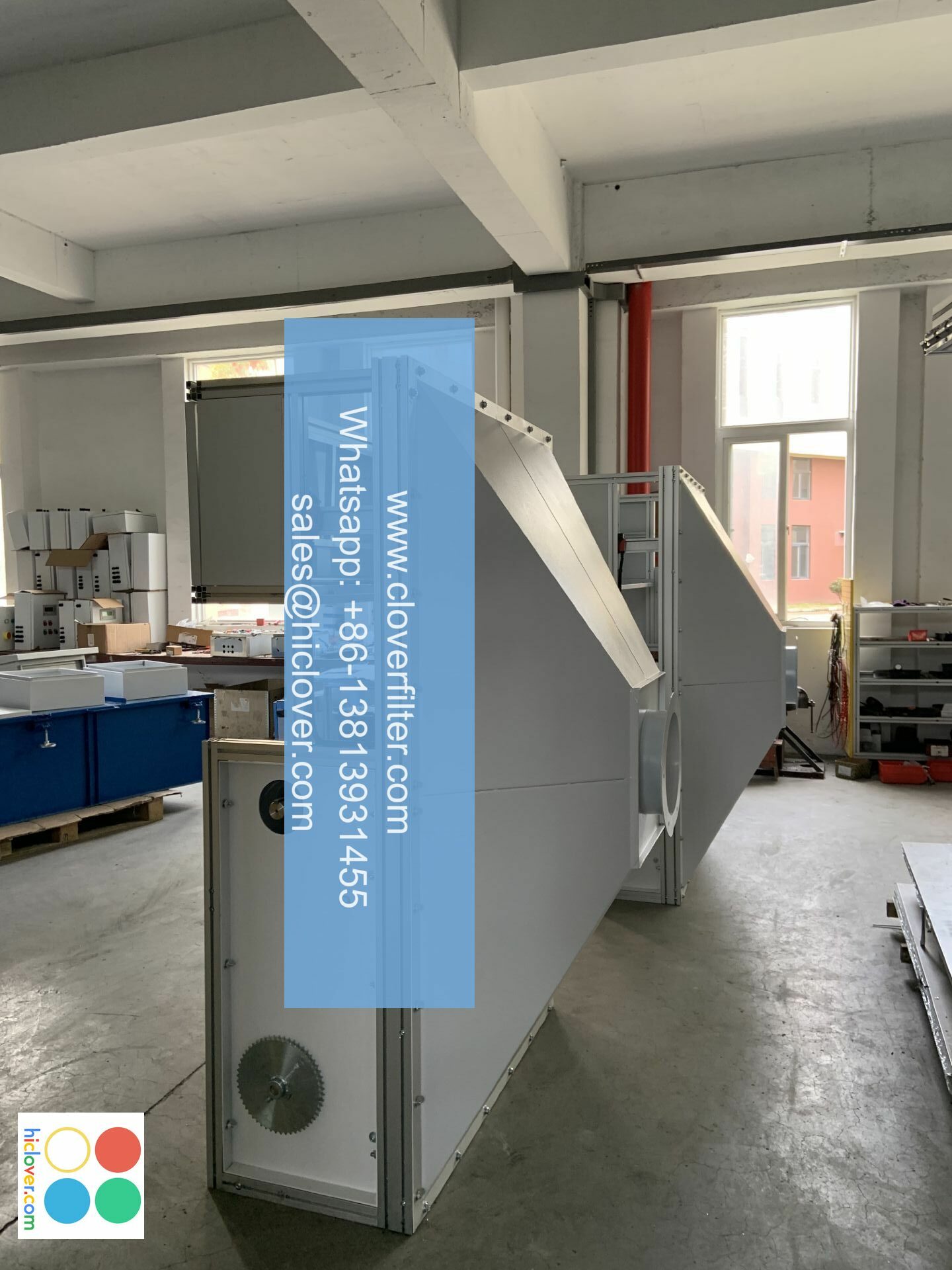
In today’s commercial environments, maintaining a clean and healthy atmosphere is crucial for both employee productivity and customer satisfaction. One of the key components in achieving optimal air quality is the effective maintenance of air filters. Proper air filter maintenance can not only enhance air quality but also prolong the lifespan of HVAC systems and reduce energy costs. Here are some essential air filter maintenance tips for various commercial settings.
1. Regular Inspection of Air Filters
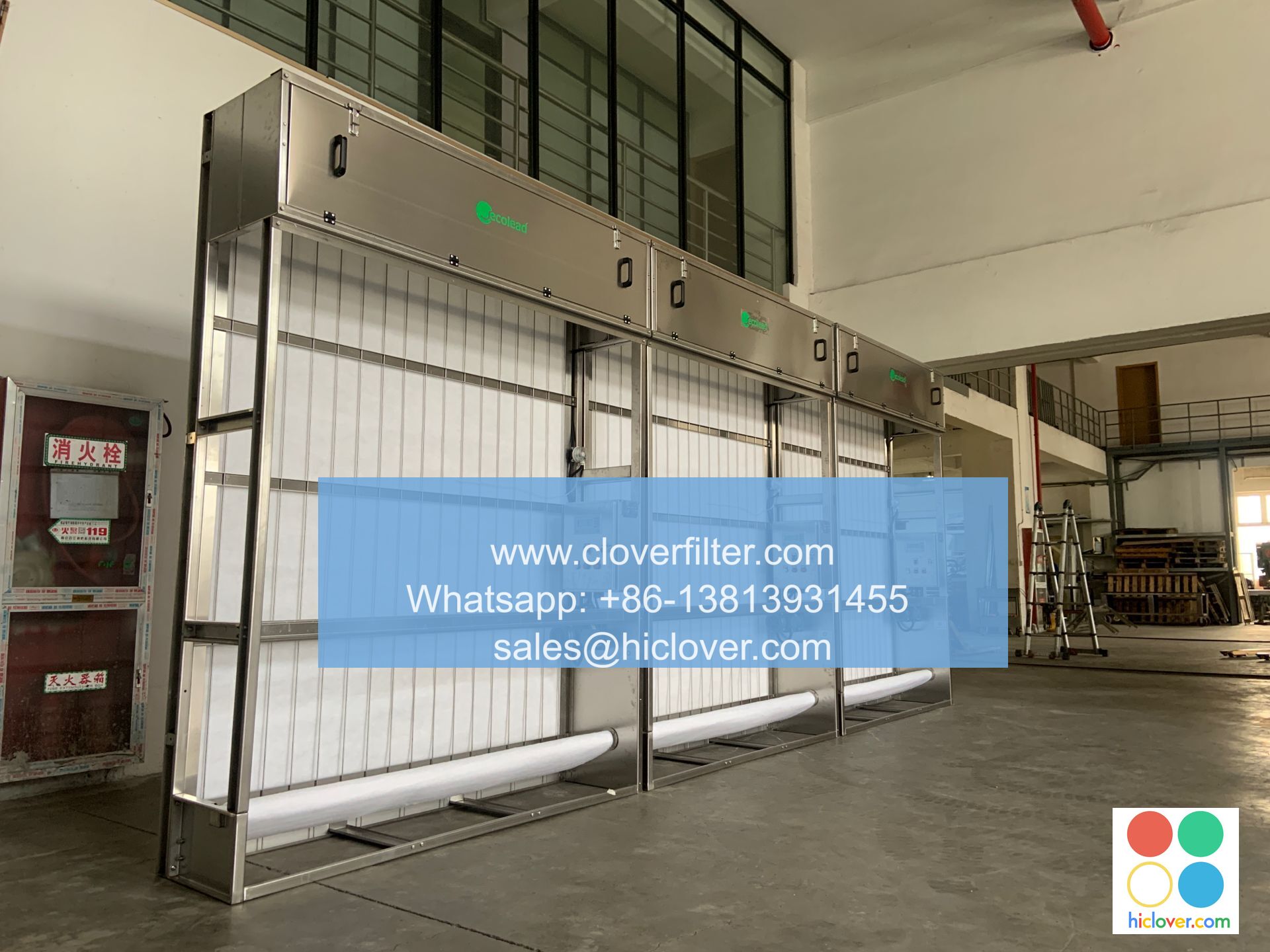
It’s essential to schedule regular inspections of air filters within your commercial premises. Depending on the type of business and the volume of air circulation, filters should be checked at least once a month. In high-traffic areas such as restaurants and gyms, more frequent inspections are necessary. Regularly examining air filters can help in detecting dirt and debris buildup early, preventing a decrease in air flow and efficiency.
2. Establish a Replacement Schedule
While cleaning some types of air filters can extend their life span, others must be replaced entirely when they become dirty. Establish a replacement schedule based on the filter type used and the environment’s specific demands. Key areas such as manufacturing plants and medical facilities often require higher-grade filters that must be replaced regularly.
3. Use Quality Air Filters
Investing in high-quality air filters can significantly impact the air quality in commercial settings. Filters with a higher MERV (Minimum Efficiency Reporting Value) rating can capture more particulate matter, making them ideal for settings like hospitals, where air quality is paramount. Always assess the needs of your facility to choose the most suitable filter.
4. Keep Surrounding Areas Clean
Maintaining cleanliness around air filter systems is just as important as caring for the filters themselves. Regularly cleaning the areas around air returns and supply ducts can prevent contaminants from being drawn into the system. For industries like food processing plants, this is especially crucial as it prevents food particles from compromising air quality.
5. Monitor Air Quality
Utilize air quality monitoring systems to keep track of pollutants and allergens. These systems can provide data that aids in determining when filters need more attention. In settings such as schools or offices, improving air quality can result in fewer absences due to illness and greater productivity.
6. Train Employees on Air Filter Importance
Investing time in training staff about the importance of air filter maintenance is valuable. Employees in diverse sectors—from retail to manufacturing—should understand how clean air impacts comfort and health. This awareness encourages them to report any irregularities regarding air filters and overall air quality.
7. Professional Maintenance Services
Consider engaging professionals for comprehensive air filter maintenance tasks. Certified HVAC technicians can perform in-depth inspections and cleanings that help maintain systems efficiently. Regular professional assessments are especially beneficial for larger commercial buildings that have complex systems, ensuring everything functions optimally.
Conclusion
Given the significant impact that air quality has on health and productivity, implementing a structured air filter maintenance program is an invaluable practice in commercial settings. By following these maintenance tips, businesses can create safer, healthier environments while also extending the lifespan of their HVAC systems. Remember, a little effort goes a long way in ensuring clean air for both employees and customers alike.
It seems like your message got cut off. Could you please provide more details or specify what you need help with? Whether it’s writing prompts, questions, or something else, I’m here to assist!
