Air Filter Compatibility with Air Conditioning Systems: A Guide
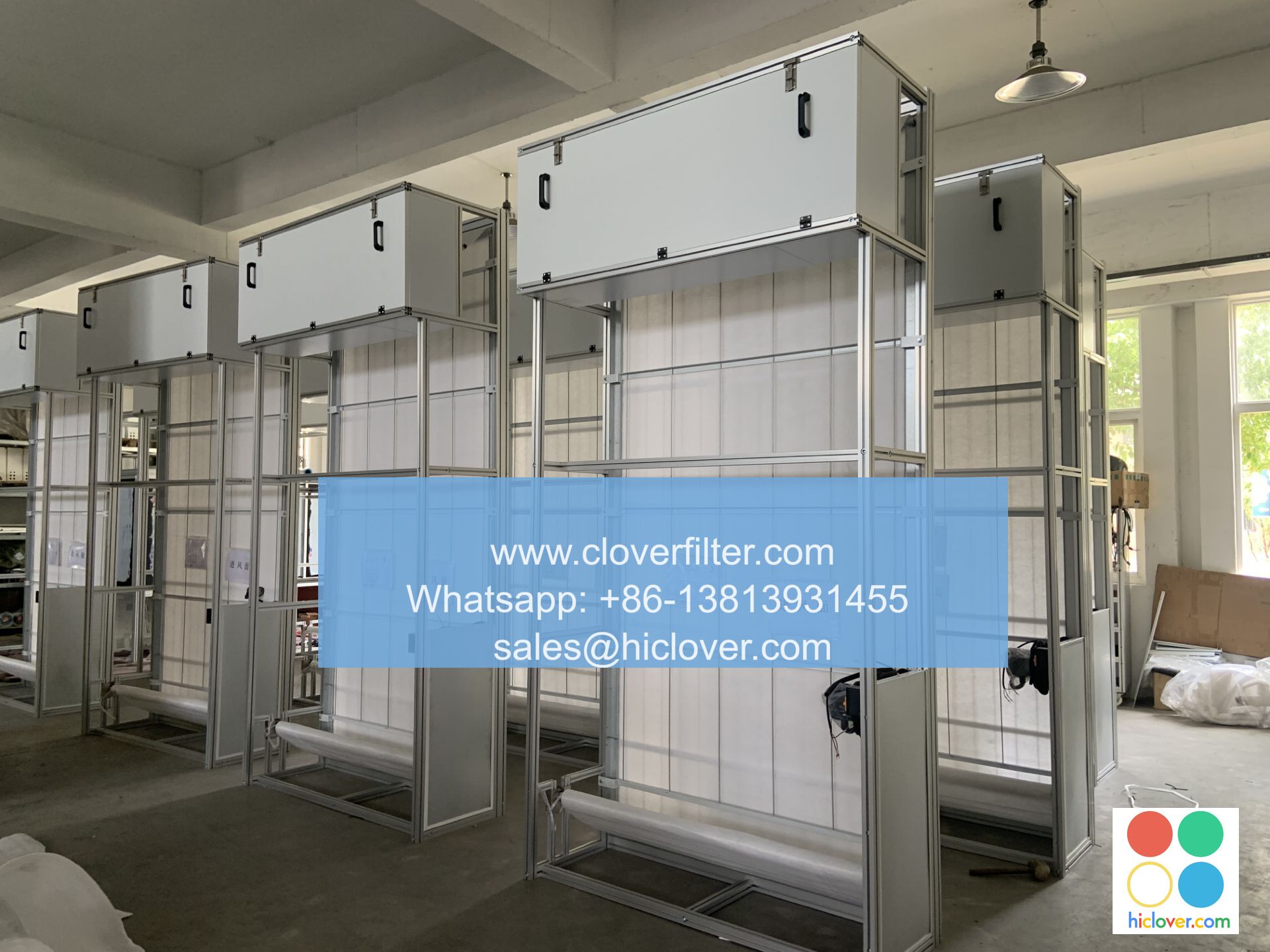
When it comes to maintaining the efficiency and longevity of your air conditioning system, choosing the right air filter is crucial. This guide dives into air filter compatibility, important factors to consider, and various application areas to ensure your A/C unit operates optimally.
Understanding Air Filters and Their Importance

Air filters play an essential role in air conditioning systems by trapping dust, allergens, and other airborne particles. High-quality air filters improve indoor air quality and enhance the overall performance of your HVAC system. However, not all filters are created equal, and compatibility with your specific unit is vital.
Types of Air Filters Used in Air Conditioning Systems
Air filters come in various types, and understanding these can help you select the right one for your system:
- Fiberglass Filters: The most basic type, usually used for residential air conditioning units. They offer low efficiency and are inexpensive.
- HEPA Filters: Known for their high filtration efficiency, they trap 99.97% of particles. Ideal for those with allergies, but may not fit all A/C units due to thickness.
- PLEATED Filters: These filters have a larger surface area for capturing particles and are commonly used in both residential and commercial systems.
- Electrostatic Filters: These filters use static electricity to capture dust and allergens and can be reusable, adding to their appeal.
- Washable Filters: Designed to be reused, these filters are eco-friendly but require regular cleaning and maintenance.
- Residential Settings: Homes require basic to higher-efficiency filters depending on occupants’ health needs (e.g., allergies).
- Commercial Buildings: Larger A/C systems often need higher MERV-rated filters to ensure air quality in populated environments.
- Industrial Applications: Factories and industries may require heavy-duty filters designed to trap larger particles and protect machinery.
- Healthcare Facilities: Hospitals need the highest quality filters to ensure sterile environments and safeguard patient health.
- Check your filters monthly and replace them every 1-3 months depending on usage.
- Keep an eye on the MERV rating; higher ratings may need more frequent replacements.
- Consider investing in washable or reusable filters for long-term cost savings.

Factors to Consider for Air Filter Compatibility
When choosing an air filter for your air conditioning system, consider the following factors:
1. Size
Ensure the air filter fits your system’s designated dimensions. A filter that is too large or too small will reduce efficiency and potentially damage the unit.
2. MERV Rating
The Minimum Efficiency Reporting Value (MERV) rating indicates a filter’s ability to capture particles of different sizes. Higher MERV ratings reflect better filtration capabilities but may restrict airflow if not matched correctly with the system.
3. Type of A/C System
Different systems, such as central air conditioning or window units, have specific filter requirements. Ensure you understand your system before purchasing any filters.
4. Filter Material
Filters come in various materials, each offering different levels of efficiency and air flow. Choose a material that suits your filtering needs while maintaining airflow in your AC system.
Application Areas for Air Filters
Air filters are utilized in diverse settings, each with unique requirements:
Maintenance Tips for Air Filters
Regular maintenance is critical to ensure the longevity and efficiency of your air conditioning system. Here are some tips:
Conclusion
Selecting the right air filter compatible with your air conditioning system can make a significant difference in performance and air quality. By understanding the types of filters available, the factors to consider, and the relevant application areas, you can ensure that your system runs efficiently while providing clean, comfortable air.
For optimal performance, always consult your system’s manufacturer guidelines and consider seeking advice from HVAC professionals when in doubt.
It seems like your message got cut off. Could you please provide more details or clarify what you’re looking for? Whether it’s a writing prompt, a question, or something else, I’m here to help!
