Air Filter Materials and Properties: A Documentation Overview
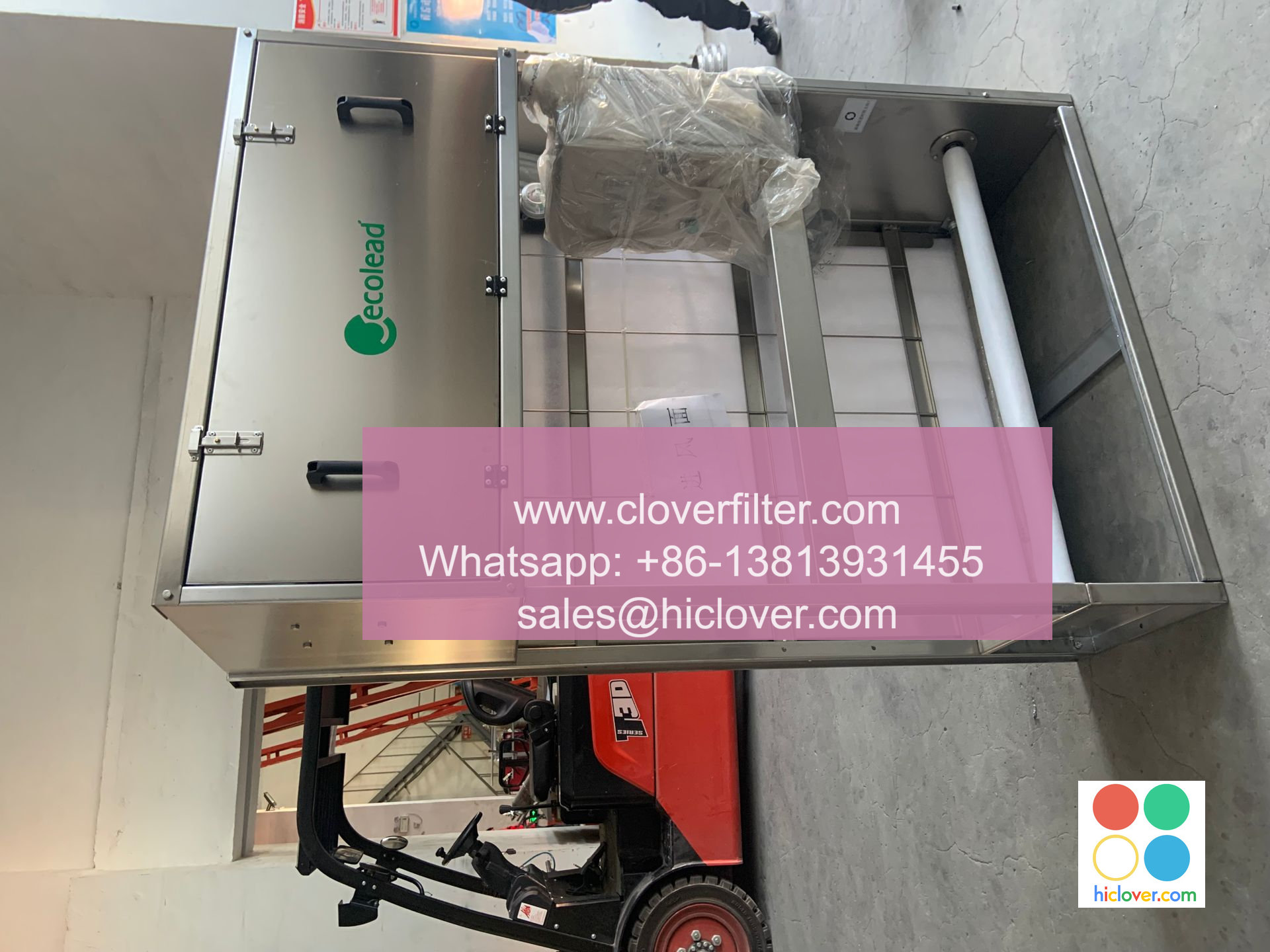
Air filtration is essential in maintaining healthy indoor air quality, minimizing pollutants, and ensuring efficient HVAC systems. The choice of air filter materials significantly affects filtration efficiency, pressure drop, and overall performance. This article provides a comprehensive overview of various air filter materials, their properties, and application areas.
Introduction to Air Filter Materials

Air filters can be made from a variety of materials, each with unique characteristics that make them suitable for specific applications. The most commonly used air filter materials include:
- Fiberglass
- Polyester
- Cellulose
- UPVC
- Activated Carbon
- HEPA (High-Efficiency Particulate Air)
- Low pressure drop
- Economical and widely available
- Generally disposable
- Basic HVAC systems
- Residential air conditioning
- Higher dust-holding capacity
- Better efficiency compared to fiberglass
- Washable options available
- General commercial air filters
- Industrial ventilation systems
- Good air permeability
- Biodegradable
- Lower initial cost
- Low-load HVAC systems
- Pre-filters for other types of filtration
- Chemical resistance
- High durability
- Suitable for high humidity applications
- Industrial air filtration
- Chemical processing facilities
- Excellent odor control
- Reduces harmful chemical substances
- Requires periodic replacement
- Commercial kitchens
- Air purifiers for residential use
- Extremely high filtration efficiency
- Low-pressure drop (in some designs)
- Often used in tandem with pre-filters
- Hospitals and medical facilities
- Clean rooms
- Industrial applications requiring high air quality standards
- Filtration Efficiency: The ability to capture particles of various sizes.
- Pressure Drop: The resistance a filter presents against airflow, which affects system efficiency.
- Material Durability: Lifespan and robustness of the filter material.
- Application Needs: Specific requirements of the environment, such as humidity or the presence of chemicals.
- Air filter materials
- Filtration efficiency
- HVAC systems
- Indoor air quality
- HEPA filters
- Activated carbon filters

Understanding the properties of these materials helps in selecting the right filter for a specific use case.
Common Air Filter Materials
1. Fiberglass
Fiberglass filters are a popular choice for residential and commercial applications due to their affordability and reasonable efficiency. They are made of layered glass fibers that trap larger particles.
Properties:
Applications:
2. Polyester
Polyester filters offer a decent level of particulate removal and are usually more durable than fiberglass filters. They can be synthetic or blended with other materials.
Properties:
Applications:
3. Cellulose
Cellulose filters are made from natural fibers and are biodegradable, making them an environmentally friendly option. They are often used in less demanding filtration applications.
Properties:
Applications:
4. UPVC
UPVC (Unplasticized Polyvinyl Chloride) filters are designed for high moisture and chemical resistance. They are often used in environments exposed to harsh conditions.
Properties:
Applications:
5. Activated Carbon
Activated carbon filters are effective at removing odors, gases, and VOCs (Volatile Organic Compounds). The porous structure of activated carbon provides a large surface area for adsorption.
Properties:
Applications:
6. HEPA (High-Efficiency Particulate Air)
HEPA filters are highly efficient, capturing 99.97% of particles that are 0.3 microns or larger. They are crucial in settings where air quality is paramount.
Properties:
Applications:
Selecting the Right Air Filter
When selecting an air filter, it’s critical to consider various factors, including:
Conclusion
Choosing the right air filter material can significantly impact indoor air quality and operational efficiency across various applications. From residential settings to industrial environments, understanding the properties and advantages of different air filter materials allows for informed decision-making and promotes healthier indoor environments.
For further information and specific applications, consult detailed product documentation, industry standards, and manufacturer guidelines to ensure optimal air filtration solutions for your needs.
Keywords
By understanding and documenting the various air filter materials and their properties, individuals, and organizations can take steps toward ensuring a cleaner, healthier atmosphere in their living and working spaces.
It looks like you might be seeking a specific prompt or topic to explore. Could you please provide more details or clarify what kind of prompt you are looking for? Whether it’s for writing, art, discussion, or something else, I’d be happy to help!
