Air Filter Software for Biotechnology and Life Sciences Applications
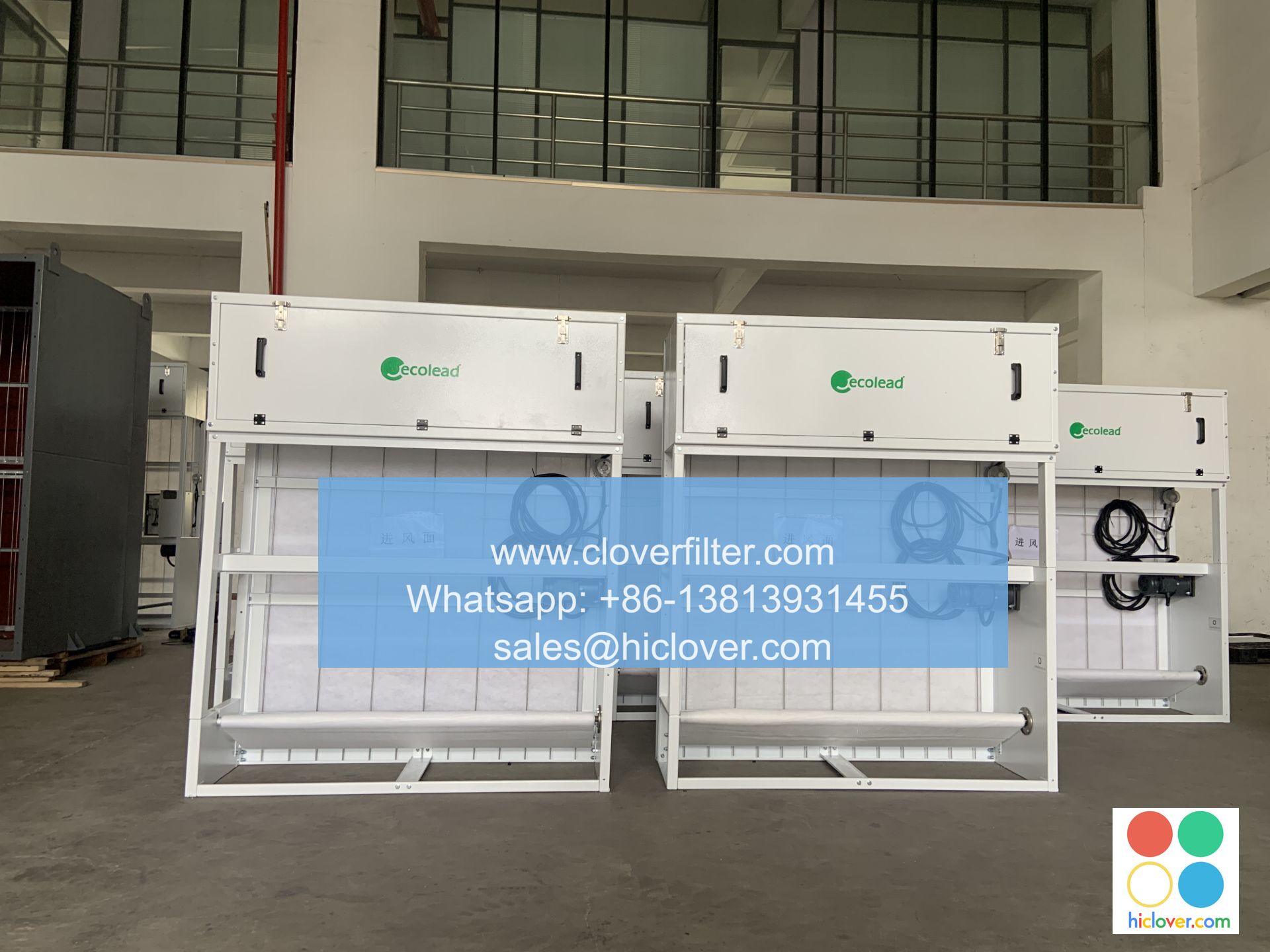
In the ever-evolving fields of biotechnology and life sciences, maintaining a sterile environment is crucial. Airborne contaminants can significantly affect research outcomes and product safety. To address these challenges, many organizations are turning to specialized air filter software designed specifically for these industries. This article explores the various application areas of air filter software, its importance, and the benefits it can provide to the biotechnology and life sciences sectors.
Understanding Air Filter Software

Air filter software is a sophisticated tool that allows laboratories and production facilities to monitor, control, and optimize air filtration systems. By analyzing air quality data, this software aids in ensuring that controlled environments remain free from harmful pathogens, particulates, and other contaminants.
Key Features of Air Filter Software
1. Real-Time Monitoring
One of the primary functions of air filter software is real-time monitoring of air quality. This feature enables organizations to track particulate levels, humidity, and other critical air quality parameters.
2. Data Analysis
Advanced analytical tools are integrated into the software to visualize and interpret data trends. This analysis helps in identifying potential issues before they escalate into serious problems.
3. Compliance Management
Biotechnology and life sciences organizations must adhere to strict regulatory standards, such as those set by the FDA or EMA. Air filter software aids in maintaining compliance by documenting air quality data and generating reports for audits.
4. Predictive Maintenance
By leveraging historical data and monitoring the performance of air filters, the software can predict when filters need replacement. This proactive approach prevents contamination issues and helps maintain optimal airflow.
Application Areas of Air Filter Software in Biotechnology and Life Sciences
1. Pharmaceutical Manufacturing
In pharmaceutical plants, the demand for contamination control is at its highest. Air filter software helps maintain cleanliness throughout the manufacturing process, ensuring that products are safe for consumers.
2. Clinical Laboratories
Clinical laboratories rely on accurate air quality management to prevent cross-contamination of samples. Air filter software provides essential monitoring tools that enhance sample integrity and result accuracy.
3. Research and Development
Research environments must be sterile to ensure the reliability of experimental data. With air filter software, researchers can monitor air quality continuously, enabling them to focus on their work without worrying about contamination risks.
4. Vaccine Production
Vaccine production requires stringent air quality controls to prevent contamination. Air filter software plays a critical role in maintaining these controls, ensuring that the products meet safety and efficacy standards.
5. Biotechnology R&D
Biotechnology R&D often involves sensitive processes where airborne contaminants can lead to unwanted reactions or failures. Utilizing air filter software ensures that these high-stakes environments remain clean and controlled.
Benefits of Air Filter Software
Enhanced Safety
The most significant benefit of air filter software is improved safety. By ensuring that air quality remains at safe levels, organizations can protect their employees and the environment from hazardous contaminants.
Increased Efficiency
With automated monitoring and predictive maintenance, air filter software increases operational efficiency, allowing organizations to allocate resources more effectively and reduce downtime related to air quality issues.
Cost-Effective Solutions
Investing in air filter software can lead to long-term cost savings. By preventing costly contamination events and reducing manual monitoring, organizations can enhance overall productivity and profitability.
Conclusion
In the biotechnology and life sciences sectors, maintaining optimal air quality is vital for ensuring product safety and maintaining compliance with regulations. Implementing specialized air filter software provides numerous benefits, including real-time monitoring, predictive maintenance, and enhanced data analysis. By investing in this technology, organizations can significantly improve their operational efficiency and the integrity of their products, ultimately leading to greater success in their respective fields. With the continued growth of biotechnology and life sciences, air filter software will be an indispensable asset in the quest for safety, efficiency, and innovation.
It seems like you’ve entered “Prompt.” Could you please provide more context or specify what you would like to discuss or ask about? Whether it’s a topic, idea, or question, I’m here to help!
