Cleanroom Air Quality Control for the Manufacturing Industry: Automatic Roll Air Filter’s Expertise

In the manufacturing industry, ensuring optimal air quality is crucial, especially within cleanrooms. These controlled environments are essential for processes that require minimal contamination and optimal conditions for sensitive products. Cleanroom air quality control encompasses various strategies, technologies, and practices aimed at maintaining a contamination-free environment. One of the notable advancements in this domain is the use of Automatic Roll Air Filters.
The Role of Cleanroom Air Quality Control
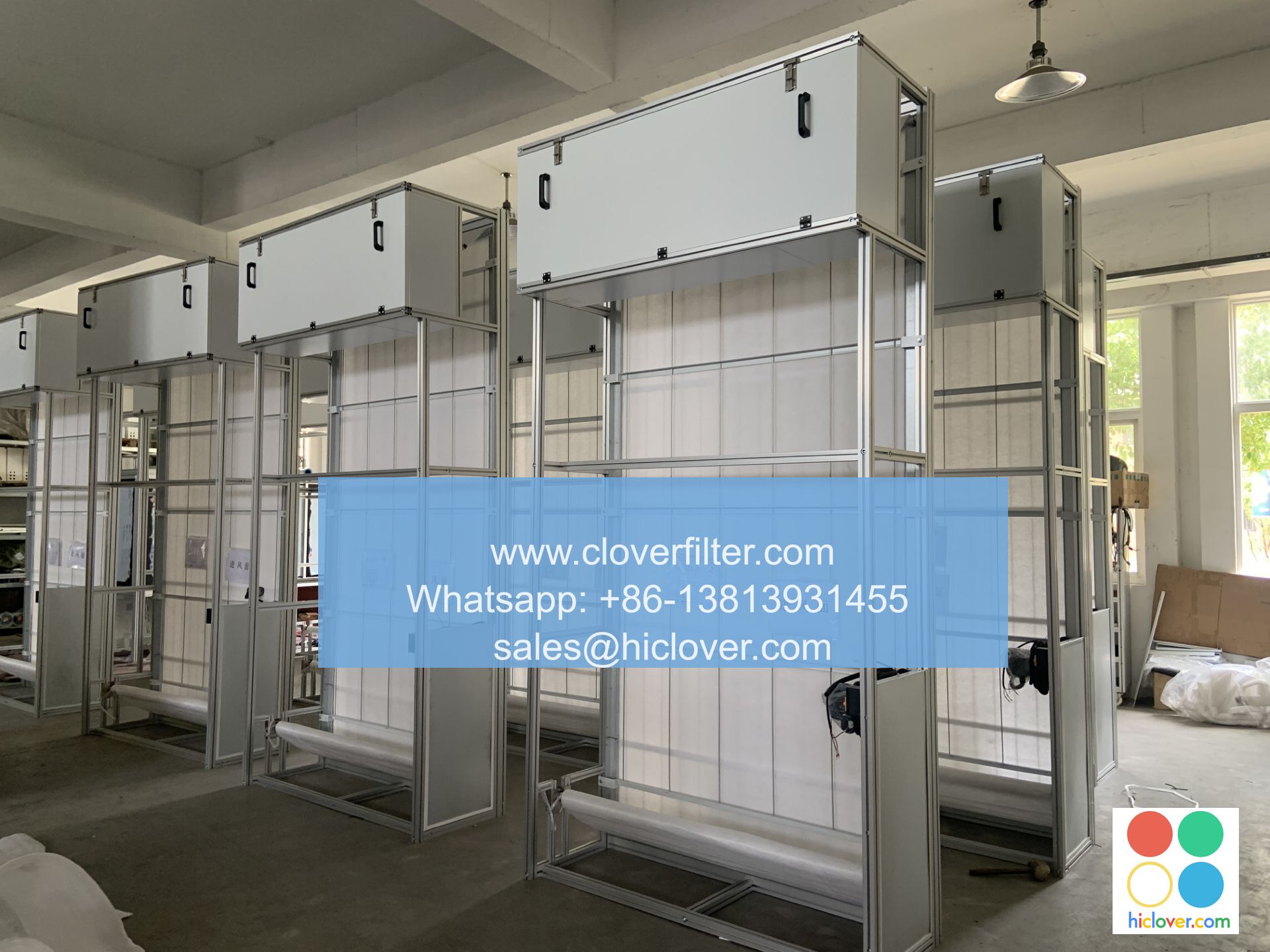
Air quality control in cleanrooms is vital to protect sensitive processes prevalent in industries such as pharmaceuticals, biotechnology, electronics, and aerospace. The air quality within these environments affects product quality, operational efficiency, and compliance with stringent regulatory standards.
The primary factors influencing air quality in cleanrooms include:
- Particulate contamination
- Gaseous contaminants (including volatile organic compounds)
- Humidity levels
- Temperature fluctuations
- Efficient Filtration: These filters can achieve high efficiency in capturing airborne particles, ensuring that only clean air recirculates within the room.
- Low Maintenance: The automated nature reduces the need for frequent manual changes, which can disrupt cleanroom operations.
- Cost-Effective: By minimizing downtime and labor costs associated with filter maintenance, these systems offer a solid ROI for manufacturing facilities.
- Sustainable Design: Many Automatic Roll Air Filters are designed with recyclable materials, making them an eco-friendly choice for modern manufacturing.
- Enhanced Product Quality: By ensuring optimal air quality, manufacturers can reduce the risk of contamination, leading to higher product yields and lower rejection rates.
- Compliance and Certification: Automated filtration systems aid in meeting the rigorous standards set by regulatory bodies, enhancing the credibility of manufacturing practices.
- Operational Efficiency: Continuous filtration contributes to stable conditions, improving production processes and minimizing downtime.
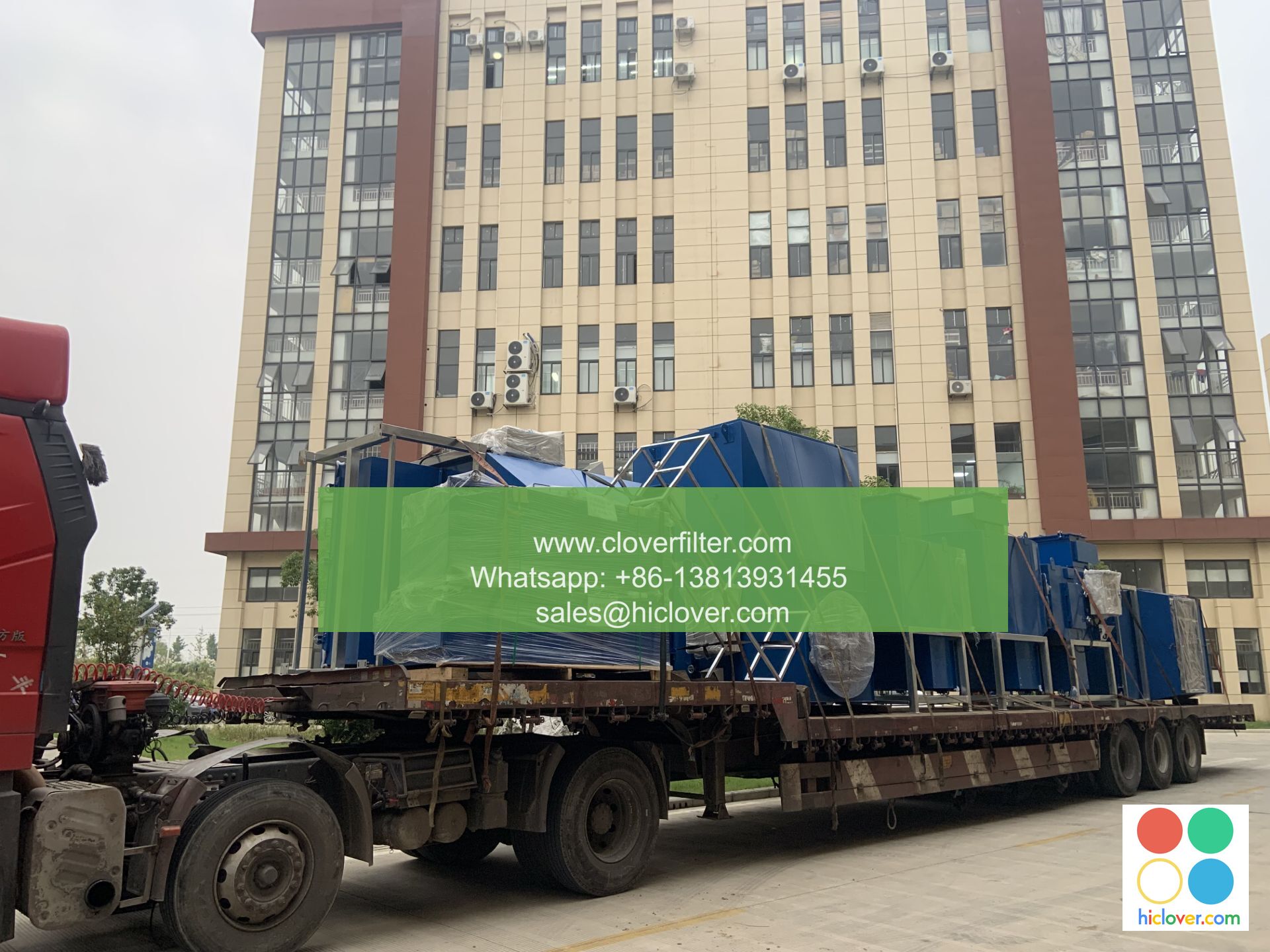
Effective air quality control necessitates the integration of advanced air filtration systems, which brings us to the prominent role of Automatic Roll Air Filters.
Automatic Roll Air Filters: Overview and Expertise
Automatic Roll Air Filters are engineered to meet the specific needs of cleanroom environments. Unlike traditional filters, these systems employ a continuous roll of filtration material that automatically feeds into the HVAC system, ensuring a consistent and uninterrupted filtration process.
Key features of Automatic Roll Air Filters include:
Key Benefits for the Manufacturing Industry
The integration of Automatic Roll Air Filters in cleanroom environments provides numerous benefits to the manufacturing industry:
Conclusion
In conclusion, effective cleanroom air quality control is essential for the manufacturing industry, particularly in sectors requiring stringent contamination controls. The introduction of Automatic Roll Air Filters has revolutionized how manufacturers approach air quality management, blending efficiency and sustainability. As cleanroom technologies continue to advance, the adoption of innovative systems like Automatic Roll Air Filters will play a critical role in maintaining superior product integrity and operational excellence.
FAQs
What is a cleanroom?
A cleanroom is a controlled environment designed to minimize the introduction, generation, and retention of airborne particles and contaminants, ensuring the integrity of sensitive manufacturing processes.
How often should air filters in cleanrooms be changed?
The frequency of changing air filters depends on the specific cleanroom requirements and the amount of traffic and activity. However, Automatic Roll Air Filters typically require less frequent changes due to their design.
Are Automatic Roll Air Filters more cost-effective than traditional filters?
Yes, while the initial investment might be higher, Automatic Roll Air Filters often result in lower maintenance costs and reduced downtime, making them more cost-effective in the long run.
What industries benefit from cleanroom air quality control?
Industries like pharmaceuticals, biotechnology, medical device manufacturing, electronics, and aerospace heavily rely on cleanroom environments for their operations.
