Understanding the different types of Automatic Roll Air Filters for Biosafety Labs
Introduction

Biosafety labs require rigorous and reliable air filtration systems to ensure the safety of personnel and the environment. One crucial component of these systems is the Automatic Roll Air Filter. This article will explore the various types of these filters, their functions, and important characteristics tailored to the unique needs of biosafety laboratories.
What are Automatic Roll Air Filters?
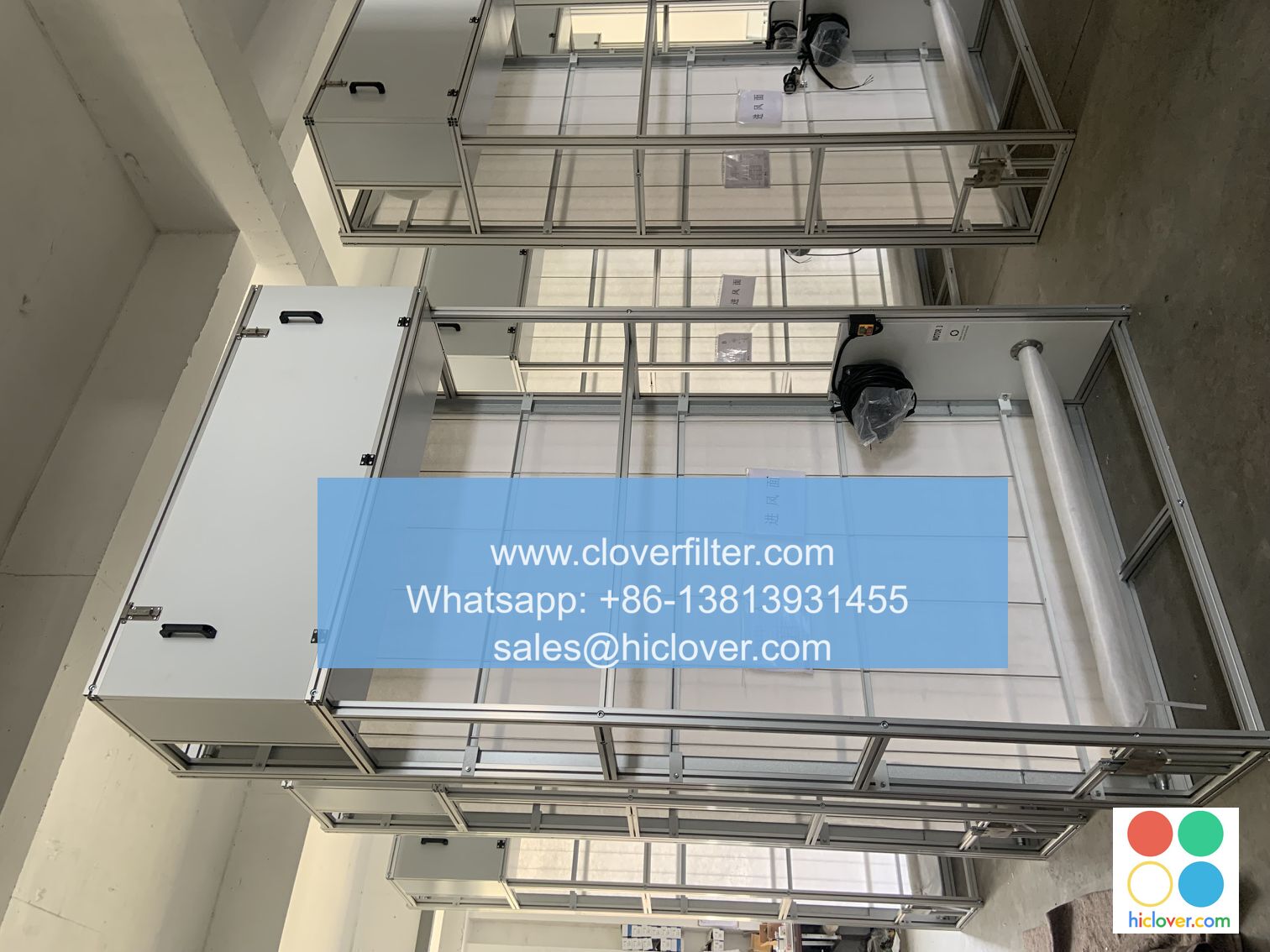
Automatic Roll Air Filters are designed to provide continuous filtration of laboratory air by using a roll of filter media that rotates at predetermined intervals. These filters help in maintaining air quality by capturing airborne particles, pathogens, and other contaminants.
Types of Automatic Roll Air Filters
1. HEPA Filters
The most common type used in biosafety labs is the High-Efficiency Particulate Air (HEPA) filter, which can trap 99.97% of particles that are 0.3 microns or larger. These filters are critical for labs working with hazardous biological agents.
2. ULPA Filters
Ultra-Low Penetration Air (ULPA) filters offer an even higher level of filtration than HEPA filters, capturing 99.999% of particles down to 0.12 microns. They are essential for labs that require the utmost safety and have stringent cleanroom requirements.
3. Electrostatic Filters
These filters use an electrostatic charge to attract and capture particles, which can enhance the efficiency of traditional filters and can be especially useful in reducing energy consumption while maintaining air quality in biosafety environments.
4. Carbon Filters
Although primarily designed for capturing gases and odors, carbon filters can be incorporated into a roll air filtration system to help eliminate VOCs (Volatile Organic Compounds), making them relevant for labs dealing with hazardous chemicals and biological substances.
5. Multi-Stage Filters
These filters combine several types of media, often including mechanical filters, activated carbon, and electrostatic layers, to address multiple air quality issues. They are ideal for complex laboratory environments with varied contamination sources.
Applications of Automatic Roll Air Filters
Automatic Roll Air Filters find applications in several areas of biosafety labs, such as:
- Pathogen Research: Essential for studies involving infectious agents.
- Pharmaceutical Manufacturing: Critical in maintaining sterile environments during drug production.
- Clinical Laboratories: Necessary for preventing contamination during diagnostic testing.
- Genetic Research: Helps in controlling the environment of genetically modified organisms.
Choosing the Right Filter for Your Lab
When selecting an automatic roll air filter, consider the following factors:
- Filter Efficiency: Match the filter type to the specific contaminants present in your lab.
- Air Change Rates: Ensure that the filter can handle the required airflow for the laboratory size.
- Maintenance and Replacement: Evaluate how often filters need to be changed to ensure uninterrupted operation.
Conclusion
Understanding the different types of Automatic Roll Air Filters is crucial for maintaining optimal air quality in biosafety labs. By knowing the benefits and applications of HEPA, ULPA, electrostatic, carbon, and multi-stage filters, laboratory managers can make informed decisions that enhance safety and compliance with biosafety standards.
