Reducing Airborne Contaminants with Automatic Roll Air Filters in Toronto’s Electronics Factory
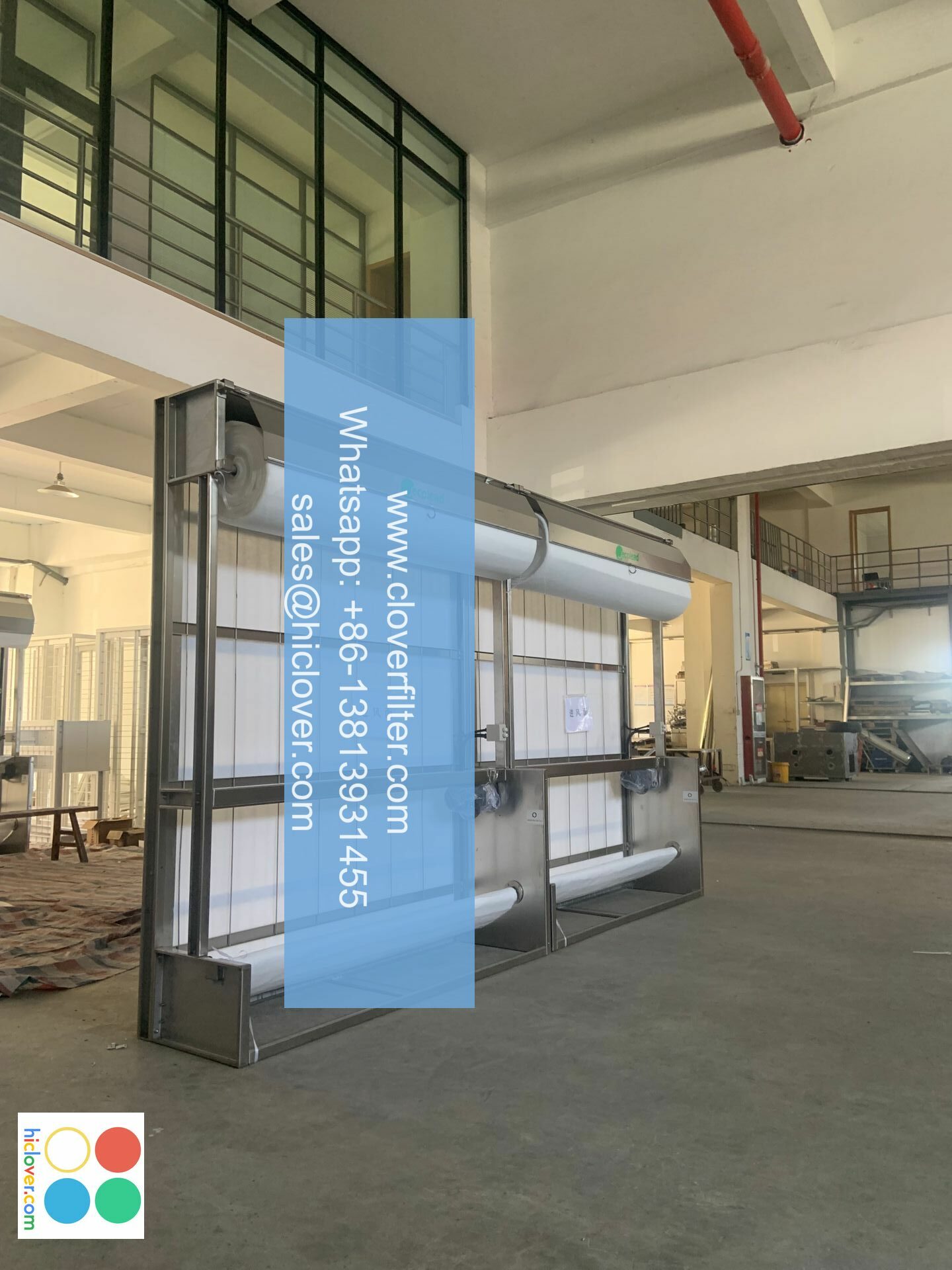
In today’s fast-paced industrial environment, ensuring a clean and safe workspace is paramount, particularly in industries like electronics manufacturing. Toronto’s electronics factories face unique challenges concerning air quality, given the delicate nature of the components processed and the risks associated with airborne contaminants. The implementation of automatic roll air filters has emerged as an effective solution to combat these challenges, providing numerous benefits not only for the manufacturing processes but also for the health and wellbeing of the employees.
Airborne contaminants, which can include particulates, volatile organic compounds (VOCs), and microorganisms, pose significant risks in the manufacturing of electronics. These contaminants can settle on sensitive components, leading to defects and malfunctions in products. Therefore, maintaining a controlled environment is crucial not just for product quality but also for safeguarding workers’ health from long-term exposure to harmful substances.
The Role of Automatic Roll Air Filters
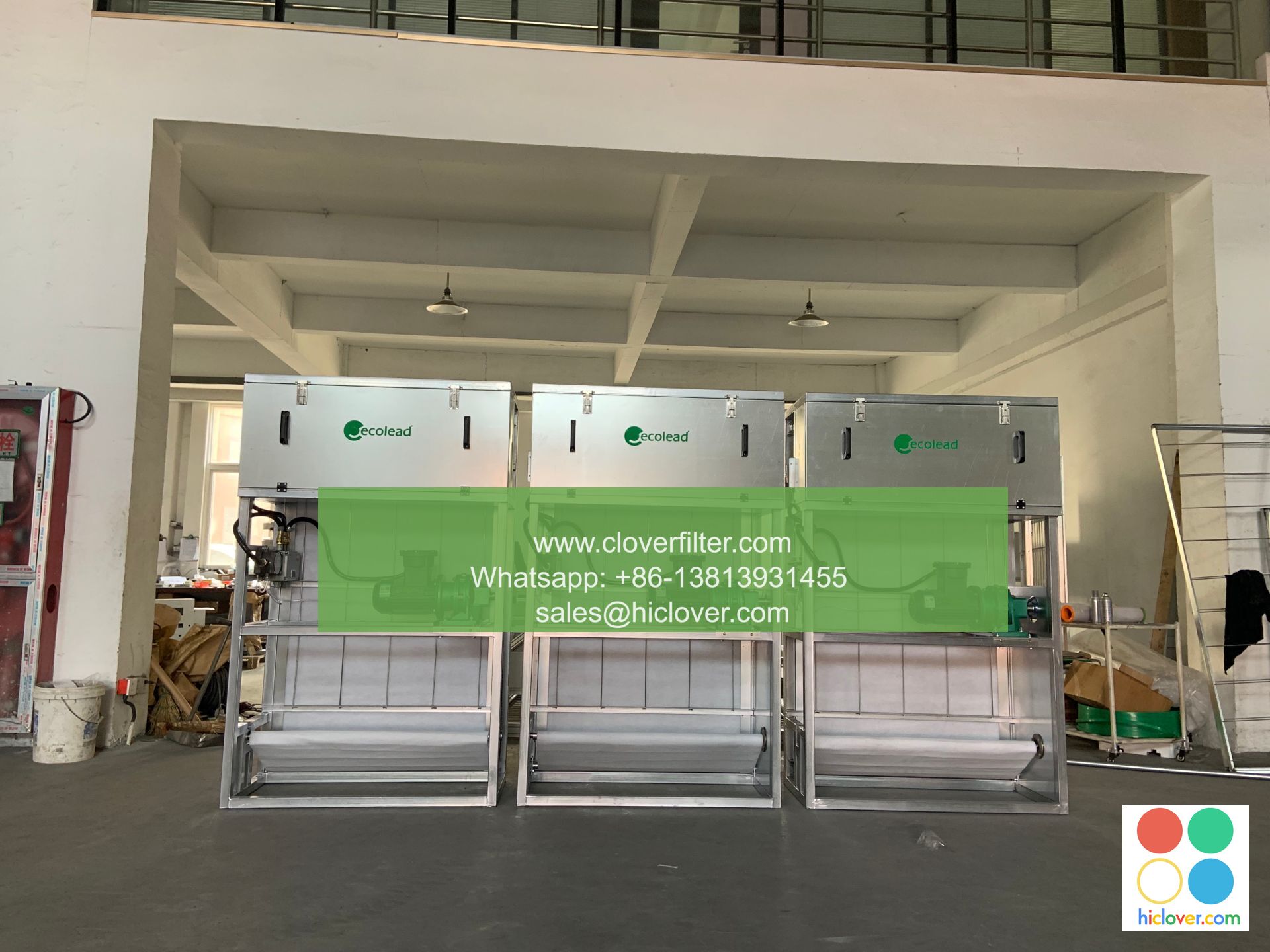
Automatic roll air filters are designed to continuously capture and filter airborne particles and pollutants before they can enter the manufacturing area. Unlike traditional filters, which require manual replacement and maintenance, automatic roll systems offer a self-cleaning mechanism and can be replaced without interrupting the workflow.
These advanced filtration systems operate on a rolling mechanism, which means that as one section of the filter becomes saturated with particulates, the system automatically unwinds a fresh, clean filter from a roll. This process ensures that the air remains clean and minimizes the chances of equipment downtime. Furthermore, automatic roll air filters can be integrated with existing HVAC systems, making them a versatile solution for many factories.
Benefits of Implementation
- Improved Air Quality: By consistently removing contaminants, these filters significantly enhance the overall air quality in the workspace.
- Operational Efficiency: Automatic roll filters help maintain consistent airflow, which is essential for regulating temperature and humidity levels, optimizing equipment performance.
- Employee Health: Cleaner air contributes to fewer respiratory issues, allergies, and other health complaints among factory workers, leading to reduced absenteeism and increased productivity.
- Cost-Effective: Although the initial investment for automatic systems may be higher, their efficiency and reduced maintenance needs keep long-term operating costs lower.
- Environmental Compliance: These systems help manufacturers comply with health and safety standards, reducing the risk of penalties and fostering a culture of responsibility towards workplace safety.
Implementation Challenges
While the advantages of automatic roll air filters are compelling, the transition does present certain challenges. Factories must consider the initial costs, potential installation complexities, and the need for training staff to manage the new systems effectively. Nonetheless, the benefits of cleaner air and healthier workplace conditions typically outweigh these issues over time.
Conclusion
In summary, the adoption of automatic roll air filters in Toronto’s electronics factories is a strategic approach to mitigating airborne contaminants. These systems not only enhance product quality and operational efficiency but also foster a healthier environment for employees. As industries continue to prioritize sustainability and safety, integrating advanced filtration systems like automatic roll air filters will undoubtedly play an integral role in shaping the future of manufacturing.
Frequently Asked Questions (FAQs)
1. How often do automatic roll air filters need to be replaced?
Unlike traditional systems that may need replacement frequently, automatic roll air filters can last for extended periods due to their self-cleaning capabilities. However, the frequency may vary depending on the factory’s air quality and pollution levels.
2. Are automatic roll air filters suitable for all types of factories?
Yes, automatic roll air filters can be adapted to different environments, making them suitable for a variety of manufacturing settings beyond electronics, including pharmaceuticals, food processing, and more.
3. What is the maintenance required for these systems?
Maintenance is minimal, primarily involving regular checks on the system’s efficiency and ensuring that the filters are being used correctly. Most systems are designed for easy operation and low upkeep.
